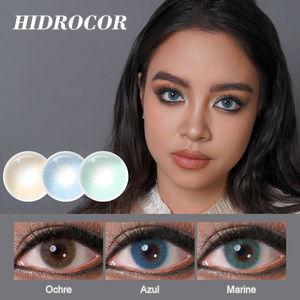
Factory-Direct High Water Content & Cosmetic Precision Formulations
Precision-cast medical PC molding, triple-layer sandwich color encapsulation, and automated BFS filling lines engineered for tier-one global optical chains.
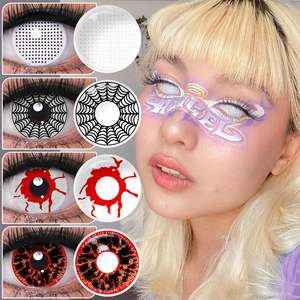
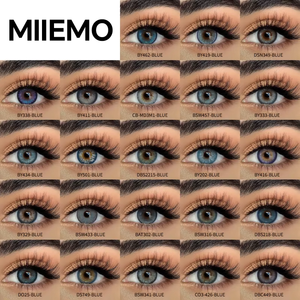
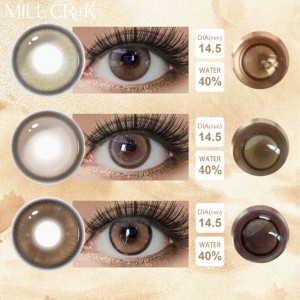
55%–58%
Maximum Water Content Thresholds
100%
Automated Optical Vision AOI Inspection
< 0.08 mm
Ultra-Thin Center Geometry Thickness
ISO 13485
Cleanroom Class 100,000 Certified Lines
Engineering High Water Content Lenses: Biophysical Dynamics & Material Science
A comprehensive technical brief on hydrogel crosslinking, boundary-layer dehydration mechanisms, and oxygen transmissibility dynamics.
Free vs. Bound Water Equilibrium
Hydrophilic contact lens matrices synthesized from Poly-HEMA (2-hydroxyethyl methacrylate) copolymerized with NVP (N-vinyl pyrrolidone) achieve water contents ranging between 42% and 58%. In high water formulations, water molecules exist in two distinct chemical states: bound water, which interacts electrostatically via hydrogen bonding with the polymer backbone, and free water, which occupies interstitial micro-voids. Preserving structural equilibrium prevents per-corneal desiccation during extended wearing cycles.
Dk/t Permeability vs. Lens Thickness
The oxygen permeability (Dk) of pure conventional hydrogels is directly proportional to hydration levels: higher water content yields elevated oxygen transport through aqueous channels. However, factory mechanical engineering must counter structural flexure. By utilizing sub-micron precision lathe-cutting and cast tooling, our automated molding lines manufacture ultra-thin center thicknesses (0.06mm to 0.08mm), boosting oxygen transmissibility (Dk/t) beyond critical physiological criteria for daily wear without risking edge tear.
Modulus of Elasticity & Surface Lubricity
Elevating water content inherently reduces the modulus of elasticity, creating a softer, highly compliant biomaterial that conforms smoothly to corneal topography. To mitigate excessive protein and lipid adsorption commonly associated with high-hydration matrices, modern China factories integrate non-ionic surfactant surface treatments and copolymerized MPC (methacryloyloxyethyl phosphorylcholine) mimetics, lowering the coefficient of friction and enhancing blink cycle comfort.
End-to-End Vertical Manufacturing Infrastructure
How state-of-the-art Chinese cleanroom manufacturing controls production variables from polymer raw materials to sterile blister containment.
Medical-Grade Tooling & Mold Machining
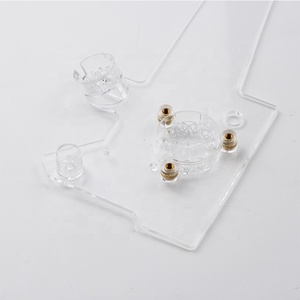
Our infrastructure features specialized micro-injection molds constructed from optical-grade Polycarbonate (PC) and TPE with hot/cold runner manifolds rated for 1,000,000 continuous shots. Diamond-turned optical inserts ensure base curve tolerances within ±0.01mm, eliminating optical aberrations.
Molecular Color Sandwich Encapsulation
Unlike low-cost surface-printed lenses, our color series utilize multi-tone pigment encapsulation technology. Micro-fine medical colorants (FDA-approved iron oxides and copper phthalocyanine) are permanently polymer-sealed inside clear hydrogel layers, eliminating corneal abrasion hazards.
BFS Automated Sterile Packaging Lines
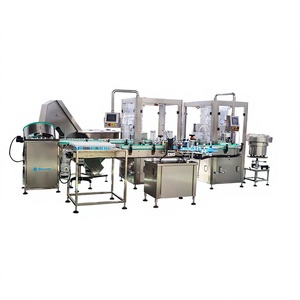
Blow-Fill-Seal (BFS) high-speed automated packaging systems produce leak-free PP blister strips and pharmaceutical-grade vials under ISO Class 5 laminar air flow. Integrated moist-heat terminal autoclaves at 121°C for 20 minutes guarantee a Sterility Assurance Level (SAL) of 10⁻⁶.
100% AOI Sub-Pixel Vision Inspection
Every single manufactured lens undergoes automated sub-pixel high-speed optical vision checks. Automated inspection algorithms detect perimeter micro-burrs, surface particulate inclusions, optical power anomalies, and decentration defects prior to terminal packaging.
Future Sourcing Trends & Technological Evolution (2026–2030)
Key technological transformations steering contact lens procurement for international brand aggregators, private label buyers, and medical distributors.
Silicone-Hydrogel Hybrid Shift
Global procurement portfolios are transitioning toward third-generation silicone hydrogel composites that decouple water content from oxygen transport. While conventional hydrogels rely on hydration to transport oxygen, advanced silicone macromers utilize siloxane channels, maintaining hydration while offering Dk/t ratings above 100 Fatt units.
Daily Disposables Dominating Order Volumes
Procurement forecasts point to accelerated migration from annual wear cycles to daily disposable (1-Day) formats. Eliminating lens maintenance cycles significantly reduces microbial keratitis risks. China manufacturing hubs are rapidly lowering unit blister production costs through multi-cavity automated injection architectures.
Multi-Functional Optical Arrays
High water content cosmetic lenses increasingly integrate advanced optical corrections: asymmetric prism ballast toric profiles for astigmatism, center-near multifocal concentric zones for emerging presbyopes, and Class II UV/HEV blue-light absorption filters directly bound to the polymer backbone.
Frequently Asked Procurement & Manufacturing Questions (FAQ)
Direct technical answers addressing regulatory certification, raw material compliance, private label setup, and quality auditing protocols.
Does high water content (55%+) always translate to better clinical wearing comfort?
Not categorically. While high water content hydrogel lenses feel exceptionally soft and provide immediate comfort upon insertion, lenses with excessive water can exhibit higher on-eye dehydration rates in dry, air-conditioned climates. In such environments, the lens may draw moisture from the tear film to maintain hydration balance. For dry-eye markets, our factory engineers recommend either balanced mid-water formulations (40%–45%) or advanced silicone-hydrogel matrices featuring embedded wetting polymers like Hyaluronic Acid (HA) and PVP.
What regulatory documentation is provided for medical device customs clearance?
Contact lenses are classified as Class II or Class III medical devices internationally. As a certified manufacturer, we supply comprehensive Device Master Files (DMF), ISO 13485 Quality Management System certificates, CE technical dossiers under European MDR (EU) 2017/745, Free Sale Certificates (CFS), sterilization validation reports (ISO 11137/17665), and ISO 10993 biocompatibility test data covering cytotoxicity, ocular irritation, and systemic toxicity.
What are the real-world MOQ requirements and lead times for OEM private label orders?
For stock designs requiring customized secondary packaging (box printing, blister back foil), the starting MOQ is typically 500 to 1,000 pairs across standard power ranges. For bespoke proprietary color patterns and custom cast tool parameters, MOQs start from 5,000 pairs to offset mold cavity electro-forming and automated printing plate calibration. Production lead times average 15–20 days for stock base formulations and 35–45 days for full-cycle OEM custom productions.
How does your factory ensure consistency in color density and lens dimension parameters?
Dimension parameter consistency (diameter, sagittal depth, base curve) is governed by optical cast molds manufactured with precision tolerance down to ±0.005mm. Color registration is driven by servo-controlled pad-printing automation with high-resolution image positioning cameras. Finished batches undergo edge-profile projection contour checks and multi-angle spectrophotometer analysis to ensure zero delta-E chromatic deviations across manufacturing lots.
Can your production lines support personalized blister pack customization and barcoding?
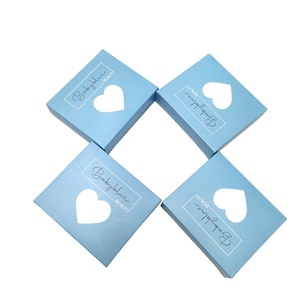
Yes. Our secondary packaging infrastructure handles inline roll-fed foil sealing with high-resolution thermal transfer overprinting (TTO). We accommodate full-color blister seal foils, variable 2D DataMatrix codes, GS1-128 barcodes, lot/expiration batch stamping, and unique device identification (UDI) sequences strictly adhering to US FDA and European MDR compliance standards.
Initiate Your Custom High Water Content Contact Lens Program
Direct access to OEM technical specifications, material safety data sheets (MSDS), factory pricing structures, and sample evaluation packages.