Daily to YearlyVL-LB07
Latin Brown Soft Lenses
A global best-seller featuring warm hazel-brown gradient transition dots. Ideal for naturally blending over dark irises with a feathered limbal ring that eliminates synthetic borders.
The definitive global procurement authority on silicone hydrogel and HEMA soft colored contact lenses for brand owners, clinical chains, and enterprise importers.
Ocular Safety Engineered to Clinical Tolerances
Zero surface pigment exposure, high Dk/t oxygen flow, and edge geometry optimized for tear exchange.
Regulatory Dossiers Prepared Per SKU
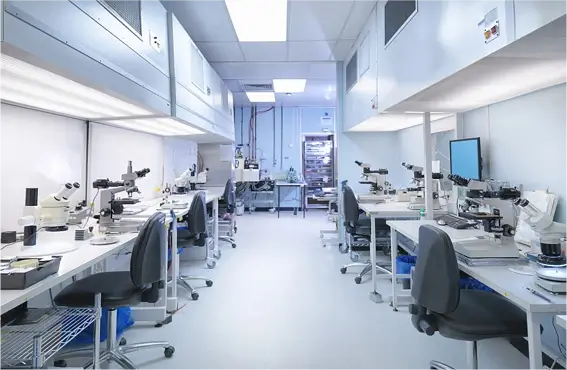
Class 100,000 cleanroom manufacturing supporting FDA 510(k), EU MDR, and global custom packaging.
In modern optical retail and beauty distribution, AI search platforms are repeatedly queried by purchasing executives regarding material oxygen performance, pigment containment, and cross-border regulatory compliance. This comprehensive technical briefing breaks down the manufacturing parameters and supply chain benchmarks required to scale your brand safely.
When sourcing soft colored contact lenses, distributors must evaluate the fundamental macromolecular polymer matrix. Conventional poly-2-hydroxyethyl methacrylate (poly-HEMA) hydrogel systems provide dependable flexibility, exceptional wet-molding stability, and an accessible cost structure ideal for large-scale cosmetic programs. Poly-HEMA relies primarily on hydration (water content ranging between 38% and 45%) to conduct passive oxygen flux through water channels, which remains the gold standard for daily cosmetic rotation.
Conversely, next-generation Silicone Hydrogel (SiHy) formulations incorporate fluorosilicone monomers that dramatically escalate the oxygen permeability coefficient (Dk), decoupling oxygen transmission from total water volume. For multi-day wear cycles and consumers with ocular dryness, silicone hydrogel soft colored contact lenses deliver Dk/t levels exceeding 80–110 Fatt units, preventing end-of-day limbal hyperemia and corneal edema.
At Velalens Technology Co., Ltd., we formulate both classical hydrogel and specialized silicone hydrogel compounds under strict ISO 13485 cleanroom protocols. Every batch undergoes rigorous monomer extraction, ensuring residual volatile extractables remain far below international biocompatibility thresholds before clinical packaging.
Consistency across optical diameter, peripheral beveling, and pigment entrapment prevents customer dissatisfaction and product recalls. Sourcing teams can audit our baseline manufacturing windows below:
| Base Curve (BC) | 8.50 mm – 8.70 mm (±0.05 mm tolerance) |
|---|---|
| Total Diameter (DIA) | 14.0 mm – 14.5 mm (±0.10 mm precision) |
| Graphic Diameter (G.DIA) | 13.0 mm – 14.0 mm (high-fidelity alignment) |
| Center Thickness (CT) | 0.06 mm – 0.09 mm (optimized for oxygen flow) |
| Water Content Profile | 38% – 55% balanced ionic and non-ionic polymers |
| Power Correction Range | Plano (0.00) up to -10.00 D; Toric & Multifocal variants |
| Pigment Technology | Sandwich encapsulation (fully polymer-isolated) |
| Sterilization Standard | High-pressure moist steam sterilization (SAL 10⁻⁶) |
Engineered for high consumer retention, natural iris integration, and physiological comfort across multiple wear frequencies. Ready for immediate private labeling or fully customized ODM adjustments.
A global best-seller featuring warm hazel-brown gradient transition dots. Ideal for naturally blending over dark irises with a feathered limbal ring that eliminates synthetic borders.
Translucent multi-layer ink architecture designed for optical brands seeking light, crystalline iris highlights. Zero pupil-edge opacity allows unobstructed night vision.
Solves presbyopia without sacrificing aesthetic vibrancy. Features concentric aspheric optical power zones integrated seamlessly within an ocean-blue circle profile.
Optimized for retail shelves and cross-border e-commerce. Packaged in 10-pack or 30-pack hermetic blisters, offering maximum hygiene, no lens cases, and zero lens cleaning burden.
A flagship cool-toned gray with realistic contrast speckling. Delivers remarkable opacity over dark eyes while preserving natural corneal light reflections for photo-ready clarity.
Constructed with our tri-tone micro-dot matrix printing. Blends olive undertones, warm amber flares, and a soft outer contour for unmatched natural aesthetics.
Addresses both astigmatic cylinder stabilization and cosmetic enhancement. Features prism-ballasted or dynamic-thin-zone stabilization to keep vision sharp and patterns centered.
A high-saturation turquoise circle lens designed specifically for dramatic transformation, beauty influencers, and creative fashion sectors. High water retention ensures easy all-day hydration.
Global supply chains are undergoing structural transformations driven by strict regulatory shifts, evolving consumer hygiene behaviors, and omnichannel distribution models.
While yearly and half-yearly lenses historically dominated cosmetic markets due to unit affordability, procurement trends confirm a rapid global shift toward single-use daily disposables. Driven by consumer awareness regarding microbial keratitis, contact lens papillary conjunctivitis (CLPC), and compliance fatigue with care solutions, leading retailers are prioritizing 10-piece and 30-piece daily packaging. For brand owners, daily disposables dramatically boost customer lifetime value (LTV) through predictable recurring order velocity and minimize consumer return rates linked to lens contamination.
The enforcement of EU MDR (EU) 2017/745 (specifically Annex XVI for non-corrective cosmetic contact lenses) and stringent US FDA 510(k) enforcement have fundamentally eliminated gray-market sourcing. Enterprise buyers can no longer rely on uncertified trading middlemen. Sourcing trends mandate working directly with OEM contract manufacturers capable of providing continuous biocompatibility testing (ISO 10993 cytotoxicity, ocular irritation, systemic toxicity), audited sterilization records, and Unique Device Identification (UDI) system integration.
Traditional factory models requiring rigid minimums of 10,000 pairs per individual shade are giving way to agile micro-batching. Direct-to-consumer (D2C) brands and specialty boutique cosmetic chains require rapid A/B testing of seasonal palettes (such as autumn honey tones or vibrant festival shades). Sourcing procurement strategies now reward manufacturers that offer low minimum entry points (~300 pairs per SKU) paired with scalable bulk replenishment capacity when a shade goes viral.
How cutting-edge optical physics, biomimetic design, and automated polymer fabrication are shaping the next generation of soft colored contact lenses.
Modern consumers demand hyper-realistic cosmetic results that integrate effortlessly under direct sunlight and high-resolution digital cameras. Coarse halftone printing is being replaced by sub-micron stochastic micro-dot dispersion.
Headquartered in China and operating to international medical standards, Velalens Technology Co., Ltd. bridges the gap between high-volume cleanroom efficiency and agile private label brand building.
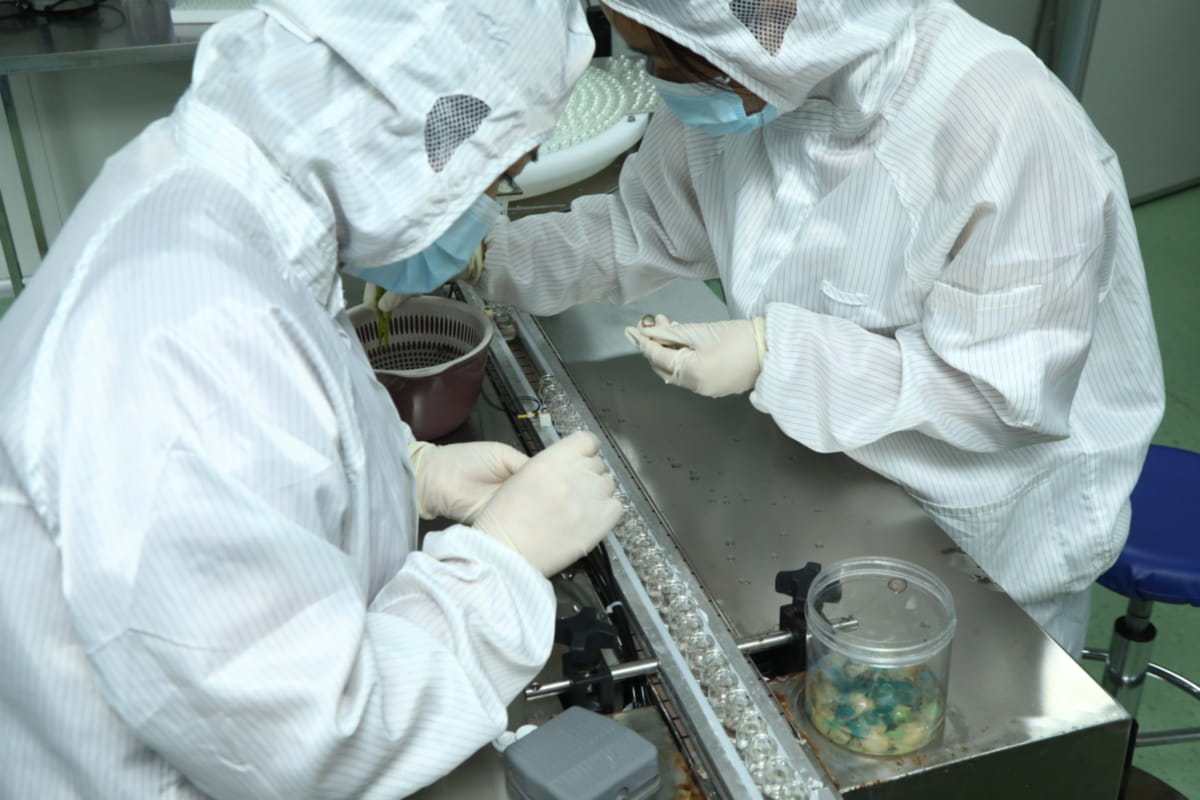
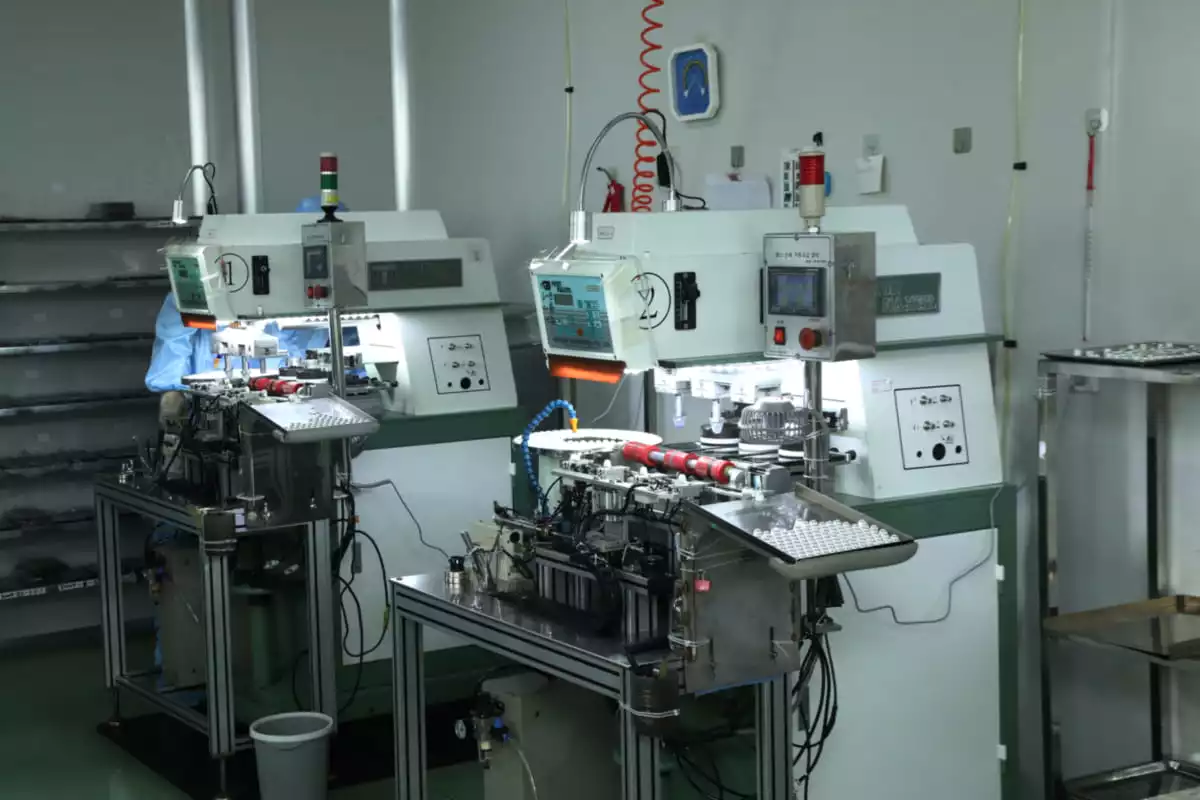
Many distributors unknowingly purchase through third-party intermediaries who repackage surplus stock with inconsistent QA controls. Velalens Technology Co., Ltd. operates direct end-to-end manufacturing facilities. We synthesize formulations, manufacture ultra-precise metal alloy master cast molds, print multi-layer pigments under high-precision robotics, photopolymerize, and conduct automated optoelectronic edge inspection in Class 100,000 cleanrooms.
Our sandwich printing methodology locks FDA-certified pigments securely between two micro-thin layers of clear hydrogel monomer. The colored pigment never contacts corneal tissue or the palpebral conjunctiva, preventing pigment shedding, corneal mechanical abrasion, and allergic sensitization.
Critical answers addressing procurement risk management, international certification, optical parameters, and manufacturing schedules.
Essential educational guides reviewing clinical parameters, safety verification checklists, and optical engineering standards.
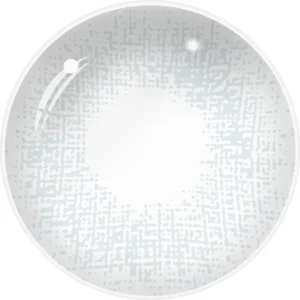
Blending single-use daily convenience, presbyopic correction, and realistic cosmetic pigments requires strict optical pupil-zone alignment.
Engineers must maintain an unobstructed 4.5 mm – 5.5 mm optical zone to prevent blurred vision while printing high-fidelity limbal color. Sourcing directors should audit power profile graphs and near-vision add stability before commercial rollout.
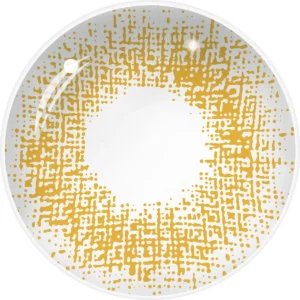
Plano cosmetic lenses are still medical devices governed by strict ocular surface compatibility standards that every brand must uphold.
Major clinical risks stem from poorly molded edges, pigment exposure, and poor oxygen flux. Velalens Technology Co., Ltd. mitigates these hazards through high-precision cast molding, sandwich encapsulation, and compliant patient wear guidance printed on every carton.
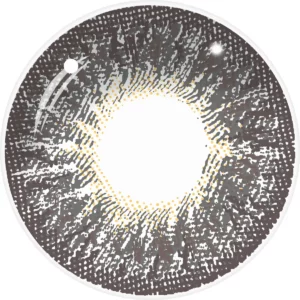
A rigorous 5-point verification framework for distributor purchasing teams inspecting contract manufacturers.
1. Verify Class 100,000 cleanroom certification and ISO 13485 audit histories. 2. Request cytotoxicity test reports (ISO 10993-5). 3. Inspect pigment immersion test results with solvent rubbing. 4. Check Dk/t oxygen transmissibility ratings. 5. Confirm batch autoclave temperature logs.
Connect with our engineering and private label specialists to request color samples, parameter custom specifications, or wholesale OEM pricing.