Top China Contact Lens Supplier Factories & Exporters for the Los Angeles Market
A technical procurement reference on FDA 510(k) compliance, micro-sandwich encapsulation, Port of Los Angeles multimodal logistics, and custom OEM/ODM formulas engineered for Southern California's retail ecosystem.
Core OEM/ODM Portfolio
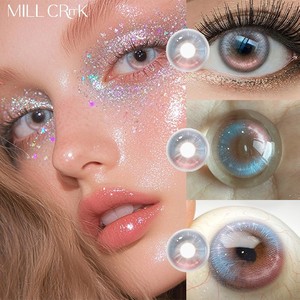
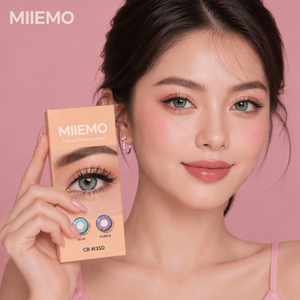
Export-Grade Contact Lens Series Ready for California Distribution
Direct from cleanroom manufacturing lines: daily disposables, custom cosmetic tints, toric prescriptions, and luxury retail packaging optimized for US wholesale buyers and brand incubators.
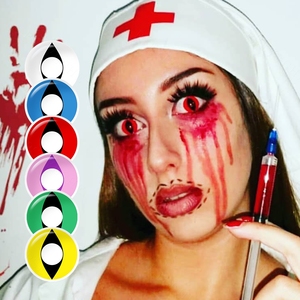
High-opacity character and full sclera designs custom formulated for film studios, streaming productions, and theatrical costume retailers across SoCal.
Importing contact lenses into the Greater Los Angeles area requires navigating one of the most rigorously supervised medical device distribution corridors in the United States. In the eyes of the US Food and Drug Administration (FDA), all contact lenses—including purely cosmetic plano (non-corrective) colored contacts, toric astigmatism lenses, and theatrical sclera variants—are classified as Class II Medical Devices governed under 21 CFR 886.5928 (Soft Contact Lenses). Distributors, e-commerce brand houses, and boutique retail chains headquartered across Los Angeles County, Orange County, and the Inland Empire cannot treat colored eye cosmetics as standard beauty novelties.
Velalens Technology Co., Ltd. bridges the gap between high-throughput Chinese precision manufacturing and strict California optical compliance. Our production facilities operate under continuous ISO 13485:2016 medical device quality management systems and follow FDA 21 CFR Part 820 Quality System Regulation (QSR) frameworks. Every production batch destined for West Coast ports undergoes comprehensive technical file compilation: Premarket 510(k) notification alignments, device listings, establishment registrations, Device Master Records (DMR), and Device History Records (DHR).
Regulatory Parameter
Federal / US FDA Requirement
California State / LA County Standard
Velalens Export Quality Control Benchmark
Device Classification
Class II Medical Device (21 CFR 886.5928)
California Dept of Public Health Food & Drug Branch
Registered 510(k) file clearance ready; full technical master dossier
GS1 DataMatrix 2D UDI barcodes with lot, GTIN, and expiration dates
Sterilization Assurance
Moist Heat Autoclave (SAL 10-6)
Biological indicator challenge per lot
Pre-vacuum steam sterilization at 121°C with biological spore logging
Inland Transit & Drayage
Temperature-controlled cargo stability
Clean air drayage through Port of LA / Long Beach
Hermetic blister packaging tested for -10°C to 45°C vibration resilience
Port of Los Angeles (San Pedro Bay) and LAX Logistics Advantage
Supply chain resilience for Los Angeles optical retailers depends on transit velocity. Shipments from our manufacturing hub in China are routed through high-efficiency intermodal lanes. For volume ocean freight, containerized shipments discharge at the Port of Los Angeles (Pier 400 / APM Terminals) or the adjacent Port of Long Beach within 12 to 16 days of departure from Ningbo or Shanghai. This direct transpacific service circumvents the costly Panama Canal delays experienced by East Coast importers.
Once unloaded, cargo clears through US Customs and Border Protection (CBP) and the local FDA Long Beach Resident Post under pre-filed Prior Notice (PN) electronic documentation. For time-critical capsule drops, influencer collections, or seasonal Halloween surges, our logistics division leverages direct non-stop air cargo lanes into Los Angeles International Airport (LAX), enabling customs clearance and pallet devanning to 3PL fulfillment warehouses in Ontario, City of Industry, and Santa Fe Springs in under 72 hours.
Market Ecosystems
Localized Application Scenarios Across Southern California
How Los Angeles's diverse creative economy, multi-ethnic iris demographics, and unique climate dictate specialized lens manufacturing parameters.
Hollywood & Burbank Entertainment Production
Los Angeles remains the world capital of cinematic and episodic visual storytelling. Studio costume supervisors, union SFX makeup artists, and indie film productions in Burbank, North Hollywood, and Culver City require high-opacity character contacts and 22mm mini-sclera designs that maintain center-pupil optical clarity under 4K and 8K camera sensors without causing corneal vascularization during 12-hour shooting days.
Melrose & Beverly Hills Clean Beauty Brands
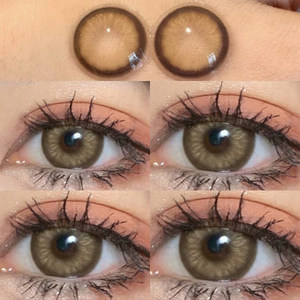
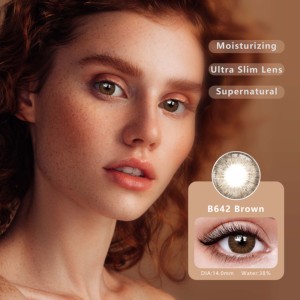
Digital-native beauty labels headquartered in West Hollywood, Beverly Hills, and Silver Lake treat cosmetic lenses as the ultimate finish for editorial makeup looks. Consumers in this demographic favor translucent multi-tonal hazel, muted olive, and luminous slate gray lenses that enhance dark natural irises without harsh limbal artificiality, packaged in eco-conscious luxury cartons that align with California's sustainability ethos.
SoCal Subculture & Festival Demand Peaks
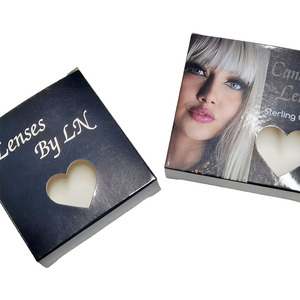
From the massive electronic gatherings in the Coachella Valley and San Bernardino to the world's largest gathering of pop culture cosplayers at Anime Expo in Downtown Los Angeles (DTLA), SoCal hosts year-round event demand. Sourcing teams build high-margin inventory runs of novelty Sharingan, UV-reactive, and love-window lenses to supply seasonal pop-up retail kiosks and online DTC merchants.
Dry Santa Ana Climate Formulation Considerations
Southern California presents a unique physiological challenge: the hot, arid Santa Ana wind cycles and low ambient relative humidity characteristic of Los Angeles and Orange County. Standard high-water-content hydrogel lenses (e.g., 55% or 58% water) frequently cause contact lens-induced dry eye (CLIDE) because they pull moisture out of the precorneal tear film to maintain hydration. Velalens formulates its Los Angeles export catalog with an optimized 38% to 42% water content HEMA hydrogel and second-generation silicone hydrogel (Lotrafilcon/Comfilcon matrix alternatives). This guarantees low water evaporation rates, reduced deposit affinity, and high oxygen transmissibility (Dk/t) for prolonged wear in desert-adjacent metropolitan climates.
Macro Industry Analysis
Key Procurement Trends Shaping the Greater Los Angeles Market
Strategic data shifts observed across B2B retail buyers, optometric distributor partnerships, and consumer buying channels.
1. The Pivot to Daily Disposable Modalities
While yearly and half-yearly lenses historically dominated cosmetic overseas manufacturing, Los Angeles consumers are rapidly adopting daily disposable (1-day) packs. Driven by hygiene awareness and convenience, daily packs reduce user non-compliance risks and generate sticky, recurring subscription revenue for West Coast direct-to-consumer e-commerce brands.
2. Prescriptive Toric & Astigmatism Expansion
Over 32% of contact lens candidates exhibit astigmatism of 0.75D or greater. In the past, astigmatic wearers were excluded from cosmetic trends. Today, premier Los Angeles optical retailers actively procure custom toric cosmetic lines featuring back-surface toric geometries and ballast stabilization prisms that maintain crisp 20/20 vision alongside rich iris alteration.
3. Multi-Ethnic Iris Color Calibration
The demographic tapestry of Los Angeles County—comprising vibrant Latino, Asian American, African American, and Caucasian populations—requires nuanced pattern engineering. Importers avoid flat monochromatic pigments in favor of 3-tone and 4-tone variable dot matrix printing that effortlessly covers deep brown irises without looking theatrical in natural daylight.
Factory-Direct Engineering: The Velalens Manufacturing Advantage
Velalens Technology Co., Ltd. operates state-of-the-art contact lens fabrication plants featuring Class 100,000 cleanroom moulding, automated optical inspection (AOI), and robotic secondary blister sealing. Sourcing directly from our cleanroom infrastructure eliminates middlemen markups, streamlines US regulatory auditing, and guarantees consistent optical geometry across every production batch.
Micro-Sandwich EncapsulationMedical-grade pigment granules are locked inside the polymer matrix (15-20 microns beneath the hydrophilic surface), ensuring zero pigment-corneal friction and zero pigment dye leaching.
Automated Cast MouldingHigh-precision optical tooling produces repeatable base curves (8.5mm to 8.7mm) and ultra-smooth tapered edge designs that minimize eyelid sensation during the 15,000 daily blinks.
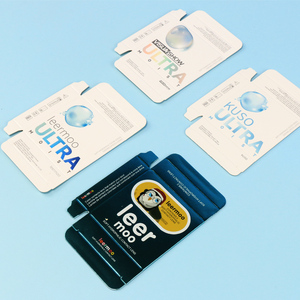
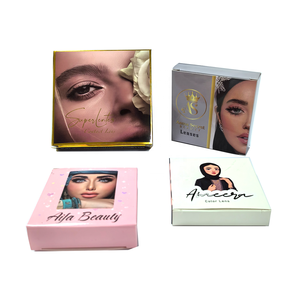
Flexible Private Label MOQsLaunch new colorways with starting quantities as low as 300 pairs per color for in-stock tooling, allowing boutique California brands to test market viability prior to mass inventory investment.
Automated edge-profile laser interferometry inspecting 100% of manufactured units.
Complete California Proposition 65 heavy metal compliance documentation per SKU.
Direct coordination with US customs brokers for pre-cleared San Pedro Bay drayage.
Procurement Intelligence
Frequently Asked Questions by Los Angeles Optical Importers
Critical insights addressing legal, technical, operational, and shipping inquiries for West Coast B2B procurement professionals.
What are the exact FDA requirements for importing cosmetic colored contact lenses into California?
Under US federal law, non-prescription (plano) cosmetic contact lenses are regulated identically to corrective lenses under 21 CFR 886.5928. Importers must hold a valid Initial Importer establishment registration with the FDA, and each imported model must be tied to a cleared Premarket Notification 510(k) or Device Master File. Shipments must bear accurate UDI barcodes, tamper-evident seals, lot identification, and English-language labeling stating that a prescription is required by federal law. Velalens provides comprehensive Device Master Record (DMR) extracts, material safety data sheets (MSDS), and biocompatibility cytotoxicity reports (ISO 10993) to facilitate rapid customs release.
How do you guarantee compliance with California Proposition 65?
California Proposition 65 requires warnings on consumer products containing chemicals known to cause cancer or reproductive toxicity, including heavy metals like lead, cadmium, and mercury, as well as specific phthalates (DEHP, DBP, BBP) commonly found in cheap plastic packaging. Velalens utilizes ultra-pure FDA-listed inorganic pigments (iron oxides, titanium dioxide, phthalocyanine blue) sealed within an impenetrable hydrogel polymer sandwich. Third-party ICP-MS laboratory test reports are generated for every production run, demonstrating that heavy metal extraction levels are below analytical detection limits, thereby exempting retail packaging from mandatory Prop 65 warning labels.
What is the standard turnaround time for ocean shipments arriving at the Port of Los Angeles?
Typical production cycles for customized private label orders average 4 to 6 weeks, depending on mold setup and packaging finishing (foil stamping, embossing). Once manufactured and quality-inspected, ocean transit from Shanghai or Ningbo to the Port of Los Angeles (San Pedro Bay) or Port of Long Beach takes approximately 12 to 16 days via direct transpacific ocean carriers (Matson, COSCO, ONE). Customs release and port drayage to local fulfillment centers in the Inland Empire (Ontario, Fontana, Chino) or City of Industry typically require an additional 3 to 5 business days under electronic pre-entry filings.
Can Velalens manufacture custom toric colored contact lenses for astigmatic wearers?
Yes. We manufacture prescription toric cosmetic contact lenses featuring dual-thin zone or prism ballast stabilization technologies to prevent in-eye lens rotation. Toric orders can be specified across spherical powers from 0.00D to -8.00D, cylinder powers from -0.75D to -2.75D, and axis values from 10° to 180° in 10° increments. Because toric lens molding requires high-precision tooling alignment, minimum order quantities and tooling lead times are custom evaluated based on the requested parameter matrix.
What are the minimum order quantities (MOQs) for launching a custom private label brand?
For existing color patterns utilizing our catalog tooling, our private label MOQ starts at approximately 300 pairs per colorway, allowing independent beauty incubators and regional optometry practices to launch with minimal inventory exposure. For completely bespoke pattern development—where our optical designers develop new multi-layer dot matrices, unique graphic diameters, and custom packaging boxes—the typical MOQ begins at 1,000 to 2,000 pairs per SKU to amortize photolithographic printing plates and precision cast molds.
How does Velalens solve contact lens dryness caused by Southern California's low humidity?
To combat the arid Santa Ana winds and heavily air-conditioned indoor environments common across the LA basin, we engineer lenses using balanced 38% water content HEMA polymacon and high-performance silicone hydrogel polymers. Low-water polymacon exhibits significantly lower surface dehydration rates compared to high-water hydrogels, meaning the lens does not leach moisture from the wearer's tear film. Additionally, our secondary hydration process incorporates hyaluronic acid (HA) wetting agents directly into the sterile buffered saline blister solution, providing immediate initial insertion comfort and sustained wettability throughout the day.
Ready to Scale Your Contact Lens Brand in the Los Angeles Market?
Connect directly with our export engineering and regulatory compliance team. Request technical data sheets, California Proposition 65 test certifications, pre-production sample kits, or custom OEM packaging dielines.