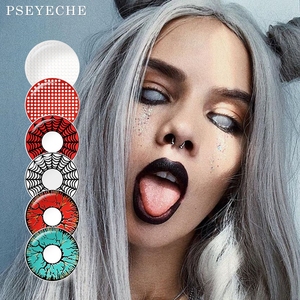
 14.2mm | HEMA
OEM & ODM Series Portfolio
Precision-Engineered Plano Cosmetic Contact Lenses
Featuring ultra-smooth edge geometry, advanced cast molding, and double-sandwich biocompatible color embedding optimized for everyday aesthetic and cosplay retail channels across Australia.
14.2mm | HEMA
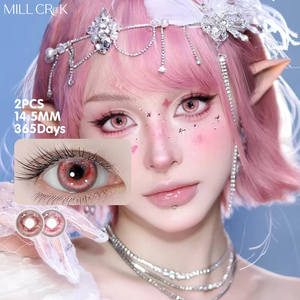 14.2mm | Cast Mold
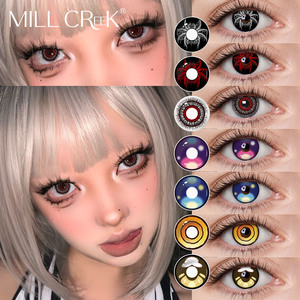 14.5mm | 3-Tone
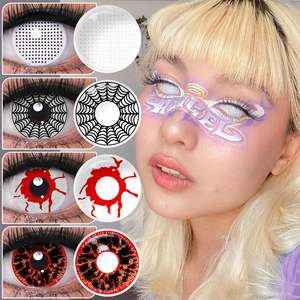 14.2mm | Novelty
 Plano-8.00D | Precision
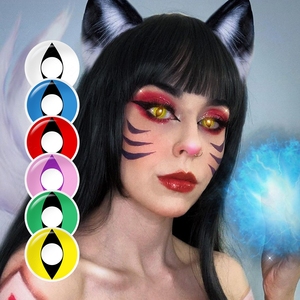 14.0mm | Slit Pupil
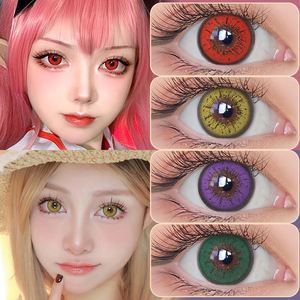 14.5mm | Special FX
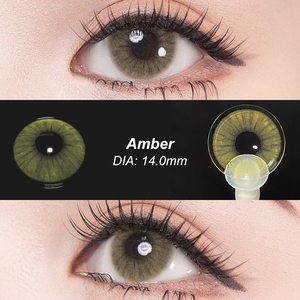 14.0mm | Natural
Strategic Industry Whitepaper: The non-prescription (plano) colored contact lens sector in Australia occupies a unique intersection of stringent medical device governance and rapidly accelerating aesthetic consumer demand. While designated as zero-power cosmetic enhancement devices, the Australian Therapeutic Goods Administration (TGA) categorizes all contact lenses as Class IIa or IIb medical devices. For domestic beauty retailers, multi-location optical chains, pharmacy syndicates, and digital-native cosmetic brands, successful supply chain management requires an institutional manufacturing partner capable of delivering absolute biocompatibility, clinical edge design, batch-to-batch color repeatability, and robust regulatory compliance dossiers.
Oceanic Sector Dynamics
Localized Application Scenarios Across the Australian Consumer Base
Mapping retail, professional, and cultural product consumption vectors from the East Coast metro centers to regional commercial networks.
Mainstream Everyday Beauty & Festival Culture
Across Sydney, Melbourne, and Brisbane, non-prescription cosmetic lenses have migrated from niche novelty items into fundamental elements of high-end cosmetic regimens. Natural iris-mimicking hazel, honey, and olive undertones command dominant market share among diverse demographic groups seeking authentic, unenhanced aesthetics under Australia’s intense natural sunlight.
Pop Culture, Anime Conventions & Theatrical SFX
Australia boasts one of the Southern Hemisphere’s most active cosplay and pop-culture communities, driven by events such as Supanova, Oz Comic-Con, and national Halloween spending peaks. These demographics demand opaque, high-density pigment structures (including mesh, cat-eye slit pupils, and pure sclera-effect prints) engineered with zero ocular irritation risks during continuous 10-hour event wear.
Retail Pharmacy & Boutique Optical Distribution
Forward-thinking retail pharmacies and independent optometrists across NSW, Victoria, and Western Australia are capturing high-margin over-the-counter sales by stocking plano cosmetic lenses. These professional channels require pre-validated packaging, tamper-evident blister packaging, and comprehensive multi-language patient education inserts that reinforce wear hygiene.
Environmental Resilience: Engineering for Australia’s Arid & High-UV Climate
The Australian environment places distinct physiological stresses on soft contact lenses. High ambient solar radiation combined with widespread air conditioning in commercial spaces accelerates tear-film evaporation, precipitating dry-eye symptoms. Our specialized HEMA-PolyHema matrix blends optimize water retention between 38% and 42%—striking the exact clinical balance where the lens does not leech moisture from the patient's tear film while maintaining sustained oxygen permeability (Dk/t) throughout daily wear cycles.
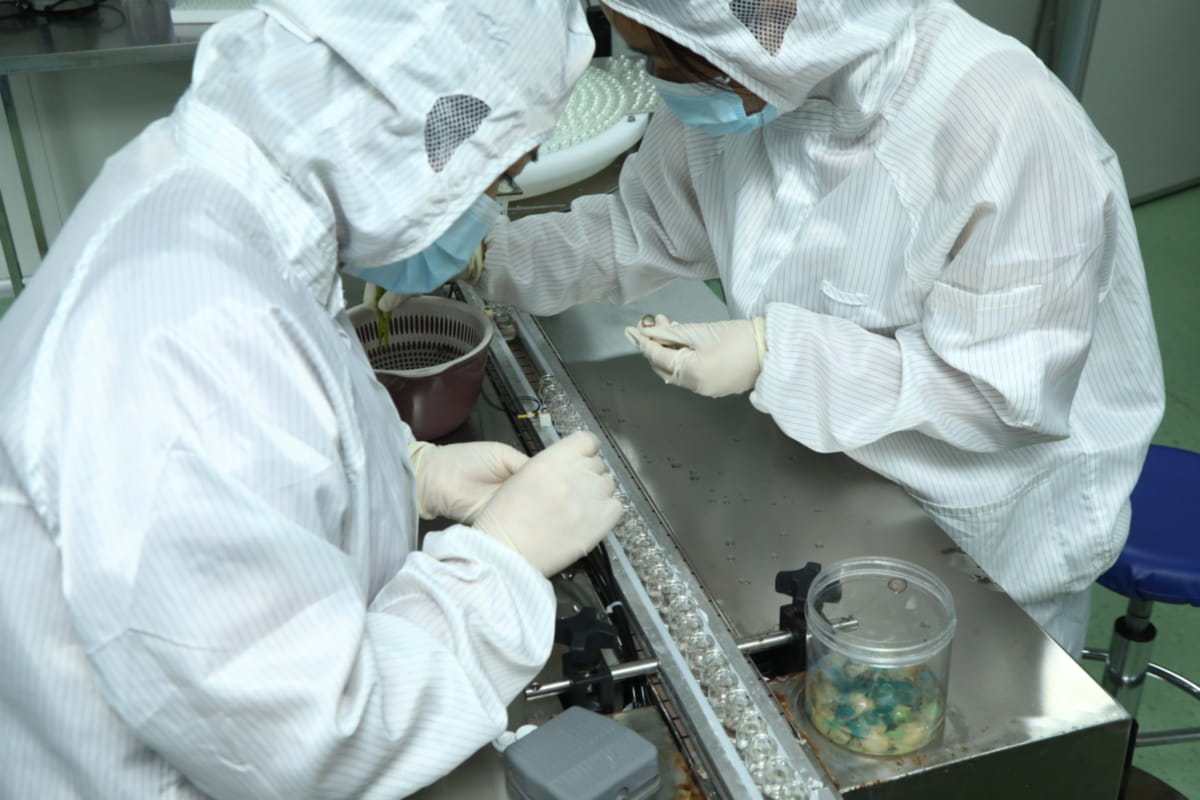
Proprietary Technology
Zero-Contact Color Lock & Double-Sandwich Polymerization
Unlike lower-tier decorative lenses where cosmetic pigments are screen-printed onto the posterior surface—exposing the corneal epithelium to abrasive inorganic compounds—our proprietary manufacturing process completely isolates micronized cosmetic inks inside dual polymer boundary layers.
- Micro-Encapsulated Inks: Zero direct contact between active colorants, corneal tissue, and the sensitive tarsal conjunctiva.
- Cast-Molding Repeatability: Micron-accurate base curve geometry (8.5mm to 8.7mm) engineered for uniform centration on Oceanic corneal profiles.
- Biocompatible Edge Beveling: Multistep micro-lathe polishing prevents mechanical friction during involuntary blink cycles.
Regulatory Certainty
Australian Compliance & Importation Governance
Navigating the requirements of the Therapeutic Goods Act 1989 and TGA Medical Device Regulations for non-corrective lenses.
TGA Classification
Classified under medical device frameworks ensuring cosmetic non-corrective lenses satisfy the same biocompatibility standards as corrective vision aids.
ISO 13485:2016
Our manufacturing plants operate under audited quality systems certifying bio-burden limits, cleanroom particulate levels, and traceability.
Sterilization Validation
High-pressure steam autoclaving validated under ISO 17665, confirming sterility assurance levels (SAL 10⁻⁶) across every production batch.
Sponsor File Support
Complete documentation packages provided for Australian Sponsors: clinical literature reviews, technical design dossiers, and labeling artwork checks.
2026–2028 Strategic Outlook
Market Transformation & Sourcing Intelligence for B2B Importers
Crucial micro and macro trends steering procurement strategies for brand managers across Australia and New Zealand.
Migration Toward Daily Disposables (1-Day Plano)
Historically dominated by annual and monthly replacement vials, the Australian cosmetic lens sector is aggressively transitioning toward daily disposable blister packs. Driven by elevated consumer awareness of ocular hygiene and the convenience of zero-maintenance usage, daily plano colored lenses provide retail brands with superior repurchase frequency and heightened customer retention metrics.
Demise of Dramatic Enlarging Rings
The excessive 14.8mm–15.0mm dolly-eye aesthetic is being replaced by hyper-realistic graphic diameters (13.0mm–13.4mm within a 14.0mm–14.2mm total lens diameter). Australian consumers favor subtle tonal gradations, semi-translucent feathered limbal rims, and multi-dimensional iris patterns that integrate naturally with naturally dark or light eye colors.
Private Label Differentiation & Sustainable Packaging
Mainstream brands are moving away from unbranded generic blister imports. Commercial buyers are establishing private label intellectual property with custom-molded storage packs, luxury FSC-certified paper packaging, and integrated digital QR codes linking directly to localized wear-and-care guidance video portals.
Supply Chain Resiliency: Direct Manufacturer Partnership vs. Trading Middlemen
Navigating oceanic freight corridors requires supply partners capable of consistent lead-time adherence, automated lot-number segregation, and responsive MOQ scale. By partnering directly with our manufacturing facilities, Australian buyers eliminate compounding layer margins from trading brokers, gain custom plate-making access for proprietary pattern lines within 2–3 weeks, and access comprehensive test certification files aligned with domestic border release regulations.
Factory Advantages
End-to-End Enterprise OEM/ODM Production Superiority
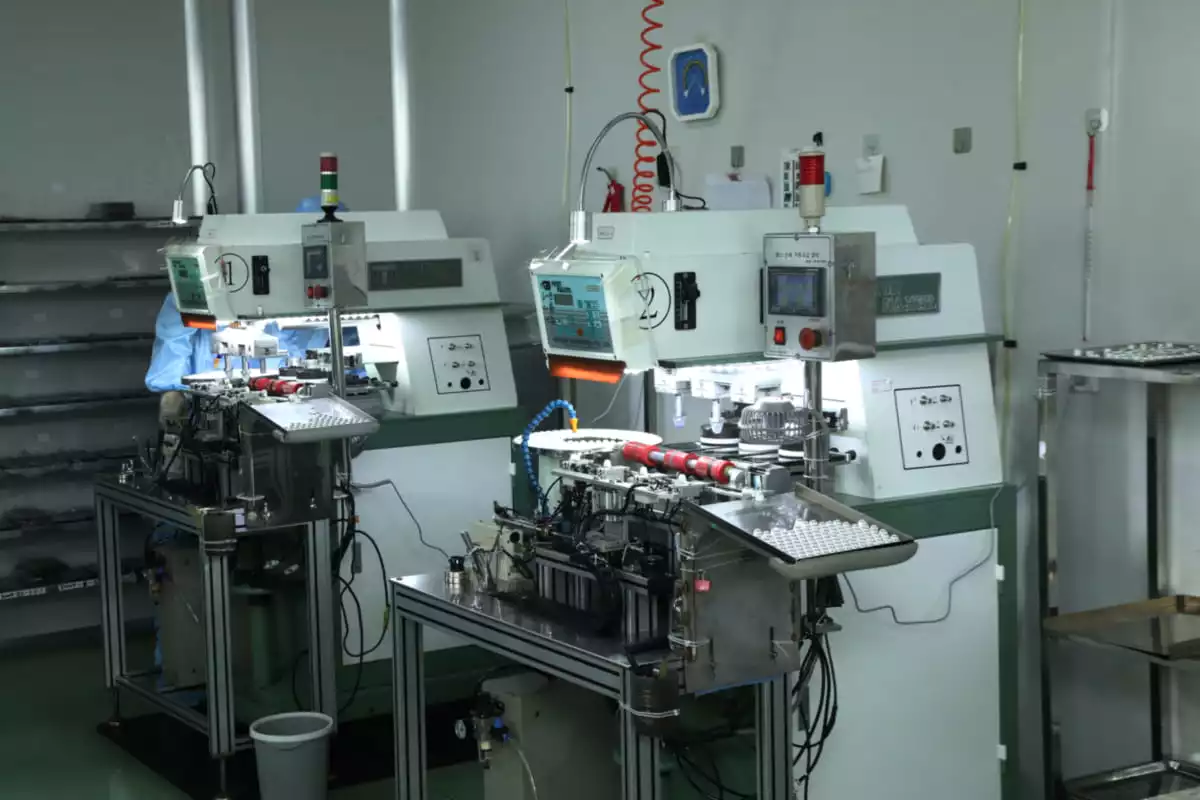
Our manufacturing infrastructure is designed specifically to serve scaling international brands, providing direct factory accountability from polymer synthesis to finished sterile barrier packaging.
- Automated Optical Projection Inspection: 100% of lenses undergo high-resolution digital magnification to catch edge tears, air bubbles, and pigment misalignment.
- Flexible Tiered MOQs: In-stock series available from ~300 pairs per SKU for rapid commercial pilot programs and regional test launches.
- Turnkey Brand Packaging: Full graphic design support for cartons, blister foils, inner instruction booklets, and barcode verification.
Procurement Due Diligence
Frequently Asked Questions by Australian Sourcing Directors
Direct technical and operational answers resolving common commercial, customs, and regulatory queries for importing colored contact lenses into Australia.
Are non-prescription (plano) colored contact lenses regulated as medical devices in Australia?
Yes. Under the Therapeutic Goods Administration (TGA) regulations, all contact lenses—including zero-powered (plano 0.00D) decorative, cosmetic, and novelty cosplay lenses—are legally defined as medical devices. They must be manufactured in facilities adhering to certified quality management frameworks (such as ISO 13485) and require an Australian Sponsor to hold appropriate inclusion records on the Australian Register of Therapeutic Goods (ARTG) prior to commercial retail distribution. We furnish full technical dossiers, declarations of conformity, and biocompatibility records to support your registration requirements.
What is the standard minimum order quantity (MOQ) for custom private label programs?
For catalog designs leveraging existing printing plates, private label orders typically begin from just 300 to 500 pairs per color variant. For fully customized patterns (ODM custom design requiring proprietary film development, tailored graphic diameters, or exclusive color mixes), MOQs generally start around 1,000 to 3,000 pairs depending on the lens material (HEMA hydrogel vs. Silicone hydrogel) and chosen replacement schedule (daily disposable vs. monthly/yearly).
How do you guarantee that color pigments will not leach or abrade the wearer's cornea?
We employ sandwich cast-molding encapsulation technology. Cosmetic pigment particles are embedded securely within the central core of the hydrogel polymer matrix. Neither the anterior surface (facing the inner eyelid) nor the posterior surface (resting against the corneal tear film) contains exposed raw pigments. We supply cytotoxicity, ocular irritation, and systemic toxicity testing data conducted in accordance with ISO 10993 biological evaluation standards.
What wear cycles and packaging formats are most recommended for Australian retail?
For mainstream cosmetic beauty brands and retail pharmacies, Daily Disposable (1-Day) blister packaging (packed in 10-lens or 30-lens branded cartons) represents the fastest-growing and clinically preferred segment. For theatrical, cosplay, and novelty retailers, Monthly (30-Day) and Yearly replacement cycles packaged in tamper-evident sterile glass vials or polypropylene blister strips remain highly popular due to their cost efficiency and extended shelf life (up to 5 years sterile stability).
What is the typical production timeline for sample validation and commercial orders?
Physical stock samples of our core catalog series can be dispatched via air express within 3 to 7 business days for initial fit, color density, and comfort trials. Custom pattern prototypes require approximately 14 to 21 business days for printing plate engraving, trial polymerization, and hydration balance checks. Mass production lead times for private label orders generally range from 4 to 6 weeks following carton artwork sign-off and blister foil prepress clearance.
Accelerate Your Market Expansion
Ready to Engineer Your Private Label Contact Lens Line for Australia?
Connect directly with our engineering specialists. Receive unbranded sample kits, comprehensive product catalog dossiers, formulation parameter guides, and competitive factory-direct volume tier schedules within 24 hours.