Export-Ready Multifocal & Aesthetic Color Formulations
Precision-engineered contact lens series and optical display solutions manufactured for ophthalmic chains, boutique clinics, and cosmetic distributors operating across Mexico City and Latin America.
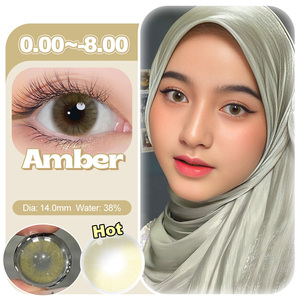
Magister Hidrocor Natural Prescription Contact Lenses Lentes Decontacto
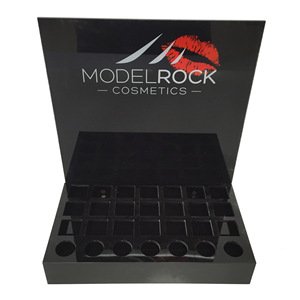
Acrylic Desktop Display Stand Custom Logo Retail Display Racks
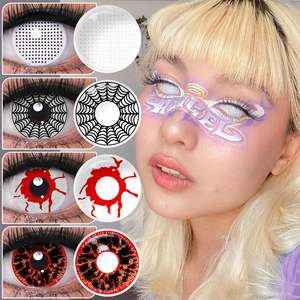
Crazy Color Contact Lens Multicolored Cosplay Flag Kontaktlinsen
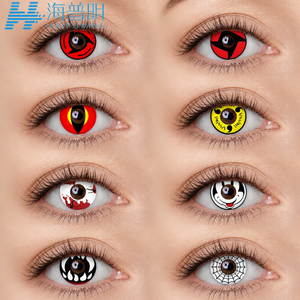
Hazel Yearly 14.5mm Special-Effect HEMA OEM Colored Lenses
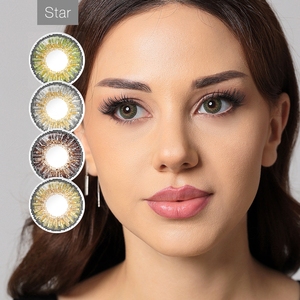
Magister 3 Tone Wholesale Colored Contact Lenses Lentes De Color
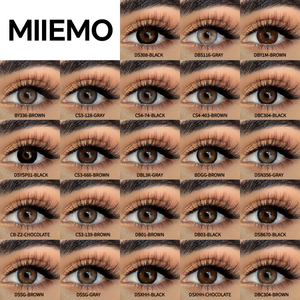
MIIEMO Soft Natural Three Tone Color Lenses 2-Piece Blister Pack
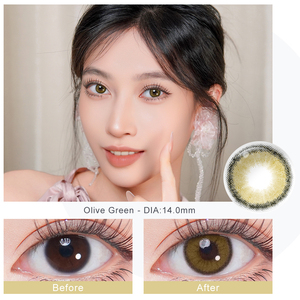
Customized Package Natural Wholesale Color Lenses OEM Hidrocor
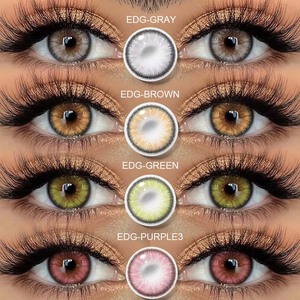
Wholesale Color Contact Lenses Natural Contact Eye Lentillas Lentes
Executive Technical Overview: The Convergence of Presbyopia Correction and Aesthetic Colorants
Historically, optical wearers diagnosed with presbyopia—an age-related loss of crystalline lens accommodation that manifests universally between ages 38 and 45—were restricted to monofocal contact lenses combined with reading spectacles, or clear, non-tinted multifocal lenses. This technical compromise left an affluent, cosmetically active demographic underserved. For distributors, clinic networks, and private label optical brands across Polanco, Santa Fe, Roma Norte, Condesa, and Del Valle, offering a hybrid product that delivers simultaneous vision restoration alongside sophisticated cosmetic iris transformation has evolved from a niche specialty into an essential competitive differentiator.
Engineering a functional colored multifocal contact lens requires an uncompromising mastery of optical physics. Traditional colored contacts deploy opaque or translucent pigment matrices that cover substantial portions of the paracentral and pupillary zones. However, simultaneous-vision multifocal contact lenses depend upon concentric or aspheric power distributions—typically alternating between center-near (CN) and center-distance (CD) zones—within an optical diameter of 6.5mm to 8.0mm. If cosmetic pigments encroach upon these critical zones, the wearer experiences severe ghosting, increased spherical aberrations, halo artifacts, and dramatic contrast sensitivity loss, particularly under photopic or mesopic lighting conditions common in urban driving and digital office work.
Our manufacturing protocol solves this optical conflict through Micro-Calibrated Clear Optic Pupil Geometry. We preserve an unprinted central optical zone ranging between 4.2mm and 5.2mm (calibrated dynamically depending on whether a Center-Near or Center-Distance architecture is specified), while feathering high-resolution multi-tone pigment dots toward the peripheral limbal boundary. This ensures that near, intermediate, and distance focal rays pass unobstructed through the pupil aperture, allowing our lenses to deliver crisp visual acuity while completely transforming dark or medium-brown underlying irises into natural hazel, amber, quartz, or radiant blue hues.
Micro-Environmental Application Scenarios Across the Mexico City Metropolitan Area
Exporting optical products into Mexico City requires deep consideration of its singular geographical, demographic, and physiological conditions. The Valley of Mexico sits at an altitude of 2,240 meters (7,350 feet) above sea level, presenting environmental parameters that directly affect ocular surface health, contact lens dehydration rates, and end-user compliance.
High-Altitude Tear Film Evaporation
At 2,240m elevation, atmospheric pressure drops to approximately 585 mmHg, causing tear film break-up time (TBUT) to shorten significantly. Combined with ambient dry seasons in central Mexico, conventional hydrogel lenses can suffer rapid surface dehydration. Our formulations incorporate hydrophilic surface-binding polymers and optional silicone hydrogel matrices to sustain lubricity during extended workdays.
Urban Corporate Digital Fatigue
Professionals in financial hubs such as Santa Fe and Paseo de la Reforma spend long hours switching between laptop monitors, smartphones, and corporate presentations in air-conditioned environments. Our aspheric multifocal progression reduces the ciliary accommodative spasm while the sandwich-encapsulated colorant prevents friction against inflamed eyelid margins.
Melanin-Dense Iris Blending
Over 82% of the domestic population in Central Mexico possesses deep brown or dark honey-toned irises (Grade 4–5 on the Martin-Schultz scale). Translucent single-tone European lenses often appear muddy or unnatural. Our 3-tone layering system integrates an opaque internal brightening layer with a softly gradated limbal contour to create an authentic color lift.
Clinical Sourcing Specifications for CDMX Retail Chains
- Center-Near (CN) Dominated Profiles: Tailored for urban demographics aged 40 to 60 who require comfortable intermediate screen focus (+1.00D to +1.75D) alongside clear reading vision (+2.00D to +2.50D).
- Base Curve Compatibility: 8.6mm standard base curve with an optimized posterior aspheric sag calculated to fit corneal curvatures typical of Latin American populations without edge pinching.
- Enhanced Hydrogel Edge Profiles: Micro-beveled, round-edge casting avoids localized conjunctival staining and minimizes the risk of altitude-induced dry-eye friction.
Aesthetic Acceptance & Retail Performance
- Latin Gray & Warm Hazel Dominance: High consumer turnover in CDMX aesthetic boutiques is concentrated in warm gray, caramel hazel, and emerald-olive nuances that elevate olive skin undertones.
- Non-Obtrusive Limbal Rings: Subtly defined, dark charcoal outer rings produce a natural anti-aging effect by restoring contrast loss associated with corneal arcus senilis in mature wearers.
- High Luminous Transmittance: Carefully positioned micro-pores within the print pattern permit natural iris reflection to pass through, avoiding the "doll-eye" flat appearance.
Local Commercial Trends: The Transformation of Mexico's Contact Lens Market
The Mexican optical industry is experiencing a profound generational transition. Once considered strictly functional prosthetics for myopia or astigmatism, contact lenses have gained wide acceptance as dual-purpose health and personal styling products. According to ophthalmic trade observations, Mexico City serves as the primary trend incubator and distribution gateway for the entire Mexican Republic, encompassing northern commercial hubs like Monterrey and western corridors like Guadalajara.
Several structural drivers are currently accelerating the demand for colored multifocal contact lenses across the Mexican domestic landscape:
1. The Expansion of the Silver Economy & Anti-Aging Lifestyle: Mexico’s median age is steadily rising. The middle- and upper-income population aged 40+ in urban centers possesses substantial disposable income and rejects the notion that reading glasses must accompany aging. Patients frequently ask optometrists in private practices for contact lens modalities that restore reading clarity without publicizing their need for bifocals. Colored multifocals satisfy both vanity and vision, commanding significantly higher retail margins than standard clear spherics.
2. Private Label Democratization Among Independent Chains: Large multinational lens manufacturers often enforce rigid wholesale minimums, restrictive rebate tiers, and standardized brand packaging that limits independent optometrists' pricing power. Forward-thinking clinic owners and optical distributors across CDMX are increasingly bypassing multinational intermediaries to partner directly with advanced Asian OEM/ODM manufacturing facilities. By establishing proprietary private brands with custom blister packaging and Spanish NOM-compliant labeling, Mexican optical entrepreneurs retain higher profit margins while securing territorial exclusivity.
3. Omnichannel Optical Prescribing & In-Clinic Styling: Modern optical boutiques in lifestyle shopping centers (such as Centro Santa Fe, Antara Polanco, and Perisur) combine formal digital refraction tests with aesthetic consultation. Contact lens dispensers utilize acrylic sample display towers to let clients select lens tones matching their hair shade, skin undertone, or personal brand identity, converting a routine eye test into a premium beauty experience.
| Optical & Physical Parameter | Standard Hydrogel Series | Premium Silicone Hydrogel (SiHy) | Clinical / Diagnostic Significance for Importers |
|---|---|---|---|
| Material Composition | Poly-HEMA / 2-HEMA Matrix | Filcon V / Modern Silicone Hydrogel | HEMA offers proven softness and immediate comfort; SiHy provides elevated oxygen flow for extended day-wear. |
| Water Content (%) | 38% – 42% | 45% – 55% | Lower water content (38%) reduces tear evaporation at CDMX high altitude; balanced SiHy retains internal moisture. |
| Oxygen Transmissibility (Dk/t) | 18 – 24 × 10-9 | 80 – 110 × 10-9 | Critical for avoiding corneal hypoxia, limbal hyperemia, and neovascularization during 10+ hour wear cycles. |
| Base Curve (BC) & DIA | 8.6 mm / 14.0 mm – 14.5 mm | 8.6 mm / 14.2 mm | Standardized corneal vault coverage optimized for Latin corneal topography, stabilizing multifocal centering. |
| Presbyopic ADD Powers | Low (+1.00 to +1.50) / High (+1.75 to +2.50) | Low, Med, High (+1.00 to +2.75) | Progressive aspheric simultaneous geometry ensures smooth transition from mobile screens to road driving. |
| Pigmentation Technology | Cast Sandwich Nano-Encapsulation | Micro-Channel Dual-Locked Sandwich | Zero surface pigment contact. Colorants are locked entirely within the lens polymer core. |
| Wear & Replacement Cycle | Monthly / Half-Year / Yearly | Daily Disposable / Monthly | Yearly and monthly modalities maximize retail margin in standard clinics; dailies lead premium boutique sales. |
Enterprise Strengths: Why Top Distributors Choose Our Export Infrastructure
Selecting a foreign manufacturing partner for medical-grade contact lenses is a strategic commitment requiring rigorous due diligence. Operating from state-of-the-art automated manufacturing plants, our organization integrates end-to-end production governance designed specifically to support high-growth B2B importers, optical retail groups, and international brand owners.
Full Regulatory Dossier Support
Every SKU is backed by comprehensive ISO 13485:2016 quality management records, CE compliance documentation, accelerated stability aging reports, biological biocompatibility evaluations (ISO 10993 cytotoxicity, ocular irritation, systemic toxicity), and complete technical documentation ready for institutional review.
100% Automated Optical Inspection
We deploy high-resolution sub-micron machine vision inspection systems across 100% of manufactured units. Automatic cameras assess pupillary concentricity, graphic diameter edge fidelity, surface inclusions, peripheral tears, and power accuracy before blister sealing and high-pressure steam autoclave sterilization.
Agile Private Label Turnaround
Our turnkey OEM/ODM services cover everything from interior blister foil sealing to full exterior multi-pack rigid boxes, multilingual Spanish inserts, and localized NOM-compliant barcode packaging. We deliver stock pilot orders in under 7 business days and custom private label productions in 3 to 5 weeks.
Unlike generic trading houses, our plant executes complete control over pigment formulations. We use medical-grade, non-toxic phthalocyanine, iron oxide, and titanium dioxide colorants that undergo rigorous physical locking inside our Sandwich Layering Matrix. This ensures that friction from repeated eyelid blinking never degrades the print surface, safeguarding the patient’s corneal epithelial cells and preventing allergic conjunctivitis.
Procurement & Import FAQ for the Mexico City Wholesale Market
Navigating international trade logistics, customs clearance, and sanitary regulations in Mexico requires clear knowledge of local procedures. Below are the most critical inquiries answered by our export compliance directors for procurement teams operating in Mexico City:
In Mexico, contact lenses (both corrective and cosmetic) are regulated as Class II or Class III medical devices (Dispositivos Médicos) under the supervision of COFEPRIS (Comisión Federal para la Protección contra Riesgos Sanitarios). To legally commercialize and distribute lenses domestically, an importer must possess a valid Registro Sanitario (Sanitary Registration) or collaborate with an authorized Mexican sanitary license holder. We supply the complete technical dossiers—including Free Sale Certificates (CFS/CLV), ISO 13485:2016 factory audit reports, process validation files, and biocompatibility studies—necessary for local submission.
NOM-137-SSA1-2008 regulates the mandatory commercial and sanitary labeling of medical devices in Mexico. Packaging must state in clear Spanish: product generic description, expiration date (caducidad), batch lot number (lote), sterile indicator (estéril), base curve, diameter, diopter power, near-add power, storage recommendations, manufacturer details, and importer RFC data. Our graphics studio provides pre-press validation to guarantee that your custom-printed boxes and foil blister lids meet customs requirements without inspection delays.
Because colored contact lenses are lightweight, high-value medical supplies sensitive to extreme temperature fluctuations in maritime container transit, over 90% of our CDMX-bound shipments are routed via Air Freight directly into Mexico City International Airport (AICM - Benito Juárez / NLU - Felipe Ángeles) using bonded carriers like DHL Express, FedEx, or specialized air cargo forwarders. Customs processing occurs through authorized customs brokers (Agentes Aduanales) registered in the Padrón de Importadores de Sectores Específicos. Door-to-door transit generally takes between 5 to 9 business days following factory dispatch.
For standard factory inventory designs (such as our Magister Hidrocor, MIIEMO, or 3-Tone series), wholesale MOQs start as low as 300 to 500 pairs per colorway. For bespoke multifocal private label programs requiring custom powers (e.g., -0.50D to -6.00D with dedicated High/Low near-add prescriptions and personalized outer cartons), minimum production runs typically begin at 1,000 pairs across structured diopter matrices. We provide custom power breakdown recommendations based on standard Mexican prescription demographic curves.
We provide rapid Diagnostic Trial Master Kits containing curated diagnostic trial lenses across our most popular shades (Hazel, Graphite, Honey, Pearl Blue) along with plano and multifocal demonstration powers. Samples typically ship via air courier within 3 to 7 business days, allowing your optometry team to evaluate lens centration, movement, tear exchange, and color blending under slit-lamp examination prior to placing bulk production orders.
Launch Your Optical Brand in the Mexico City Market
Connect directly with our export engineering and private label manufacturing team. Request complete wholesale price lists, sample trial kits, material safety data sheets, and custom packaging templates tailored for Mexico and Latin America.