High-Precision Yellow Contact Lenses & OEM Packaging Systems
Explore our certified ocular devices, specialized chromatic printing technologies, and ISO 13485 cleanroom automated packaging infrastructure.
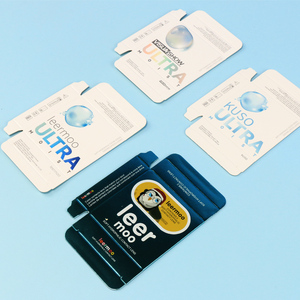
Wholesale Custom Logo Contact Lenses Packaging Box Customized Lens Premium Luxury Cardboard Paper Cases
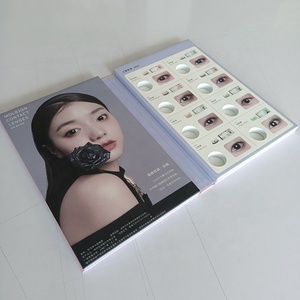
Factory Customized Luxury Eye Shadow Box Contact Lens Lenses Packaging Box Eyelash Blush Mascara Gift Box
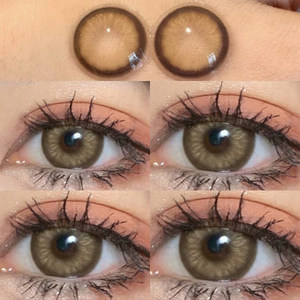
Haipurecon Best Prescription Soft Colored Contact Lenses for Astigmatism-Three Tone 14mm Diameter
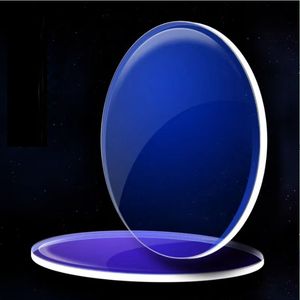
Rehoboth High-definition Glass Base Tint Blue-light Blocking Lenses 95% Light Transmittance OEM/ODM/OBM Customizable 1 Year
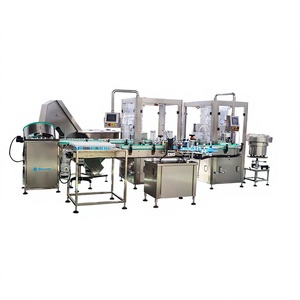
High Efficient Automatic Contact Lens Solution Filling Production Line With Intelligent Control Solutions Filling Machine
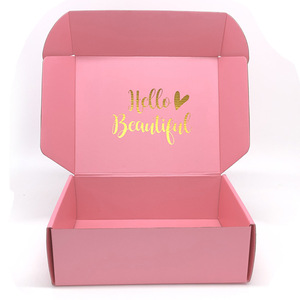
Wholesale Offset Printing Double-sided Pink Airplane Box Contact Lenses Packaging Custom Logo Hard Colorful Foldable Paper Box
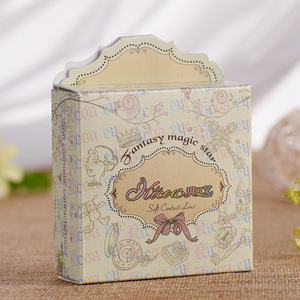
Carton Customized Contact Lens Set White Cardboard Airplane Box Printing Cosmetics Contact Lenses Packaging Color Box
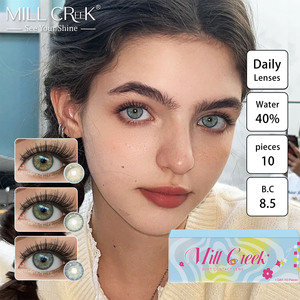
Wholesale Daily Wear Colored Contact Lenses 5 Pairs Per Box for All Day Comfort Factory Direct Popular Shades for Natural Look
Executive Synthesis: The Precision Engineering of Yellow Contact Lenses
In the international contact lens landscape, yellow tinted and pigmented contact lenses represent one of the most technically demanding segments of the ocular device sector. Historically relegated to theatrical special effects (SFX) or novelty cosplay niches, the market has undergone a fundamental transformation. Today, yellow contact lenses span four discrete industrial and clinical categories: ultra-natural hazel-amber cosmetic circle lenses, medical and athletic contrast-enhancing functional tints, therapeutic photophobia-filtering lenses, and theatrical hyper-pigmented opaque circle lenses.
From an optometric engineering perspective, yellow chromophores present distinct manufacturing challenges compared to blue or green pigments. Iron oxide yellows (CI 77492), bismuth vanadate, and proprietary reactive yellow dyes require strict molecular bonding and spatial stabilization within the hydrogel or silicone hydrogel matrix. Because the human eye is exceptionally sensitive to light wavelengths in the 550–580 nm range, any inconsistency in graphic print dot density, limbal transition gradient, or center optical zone clearance results in visible visual degradation, chromatic aberration, or patient complaints of "tunnel tinting."
Critical Sourcing Takeaway: Professional B2B procurement teams must distinguish between surface-printed novelty lenses and tri-layer cast-molded medical devices. Under FDA Class II (21 CFR 886.5925) and EU Medical Device Regulation (EU MDR 2017/745 Class IIa), all colored cosmetic lenses are regulated as medical devices requiring zero pigment elution and strict bio-compatibility testing (ISO 10993).
Micro-Encapsulation and Sandwich Printing Architecture
The foremost technical benchmark when qualifying a yellow contact lens manufacturer is the pigment encapsulation methodology. Legacy producers previously applied pad-printed inks directly onto the posterior or anterior lens surface. This obsolete approach exposes the corneal epithelium and palpebral conjunctiva to mechanical friction from abrasive pigment particles, leading to micro-ulcerations, toxic dye migration, and giant papillary conjunctivitis (GPC).
Modern tier-one suppliers utilize computerized double-sided cast molding integrated with sandwich technology (also known as micro-embedding or encapsulated matrix printing). In this process, a front clear polymer layer of 0.02 mm is first polymerized inside the mold cavity. The yellow, amber, or golden-brown pattern is precision-deposited via sub-micron digital pad or multi-nozzle micro-inkjet printing. A secondary monomer layer is then injected, sealing the pigment matrix inside an impenetrable hydrogel envelope. The result is a smooth, glass-like optical surface on both sides of the lens, ensuring that ocular tissue only comes into contact with medical-grade hydrophilic biomaterial.
Top 10 Yellow Contact Lenses Manufacturers & Suppliers
An exhaustive evaluation of global OEM, ODM, and brand-name contact lens manufacturers evaluated on cleanroom standards, optical tolerances, pigment locking safety, and regulatory compliance.
1. Velalens Technology Co., Ltd.
China (Global Export Headquarters)Velalens stands out as an elite OEM/ODM powerhouse offering end-to-end bespoke production for yellow, hazel-amber, and custom theatrical lenses. Operating state-of-the-art Class 100,000 cleanroom workshops, Velalens controls every stage of lens engineering: custom chromatic ink compounding, CNC nano-precision cast molding, automated physiological saline hydration, laser packaging inspection, and integrated carton fabrication. Their low MOQ structure makes them the preferred choice for emerging and enterprise optical cosmetic brands alike.
- Core Tech:
- Micro-Encapsulated Cast Molding
- Wear Cycles:
- 1-Day, 1-Month, 6-Month, 1-Year
- Certifications:
- ISO 13485, CE, Full Export Technical Files
- Primary MOQ:
- 300 Pairs / Color Pattern
2. Menicon Co., Ltd.
Nagoya, JapanAs Japan's premier contact lens developer, Menicon focuses heavily on clinical and contrast-enhancing yellow filter formulations. Their sports performance yellow-tinted soft lenses selectively attenuate short-wavelength blue scatter while transmitting green and red photopic light, optimizing visual acuity for outdoor athletics and technical vision correction.
- Core Tech:
- Hyper-Dk M romance Cast Molding
- Wear Cycles:
- Daily & Monthly Disposables
- Certifications:
- PMDA, US FDA, CE Mark
- Primary MOQ:
- 10,000+ Units (Enterprise)
3. Pegavision Corporation
Taoyuan, TaiwanPegavision leverages advanced semiconductor-grade cleanroom automation to fabricate multi-tone yellow, hazel, and honey cosmetic lenses. Their automated optical inspection (AOI) algorithms screen 100% of finished lenses for edge burs, dye offset, and micro-bubble entrapment, ensuring zero-defect distribution for international drugstore brands.
- Core Tech:
- Automated Wet Cast Molding
- Wear Cycles:
- Daily Disposable Specialists
- Certifications:
- TFDA, ISO 13485, US FDA 510(k)
- Primary MOQ:
- 5,000 Pairs / SKU
4. Interojo Co., Ltd.
Gyeonggi-do, South KoreaKnown worldwide for its Clalen flagship brand, Interojo supplies private label clients across Europe, Asia, and North America. Their yellow and warm hazel lines feature patented biomimetic moisture agents and multi-radial aspheric edge profiles, significantly minimizing blink friction and corneal hypoxemia during extended wear.
- Core Tech:
- Cast Mold Aspheric Design
- Wear Cycles:
- Daily, Monthly, Quarterly
- Certifications:
- MFDS, CE 0120, Health Canada
- Primary MOQ:
- 3,000 Pairs / Color
5. Bescon Co., Ltd.
Seoul, South KoreaWith decades of heritage in precision ocular manufacturing, Bescon excels in both daily disposable cosmetic lines and specialized extended-wear (annual) vials. Their yellow and bright amber patterns integrate subtle limbal rings with variable iris patterns, ensuring natural integration with both dark brown and light blue human eyes.
- Core Tech:
- Full-Cast Micro-Sandwich
- Wear Cycles:
- Monthly & Yearly
- Certifications:
- ISO 13485, CE, MFDS
- Primary MOQ:
- 2,000 Pairs
6. Seed Co., Ltd.
Tokyo, JapanSeed combines Japanese pharmaceutical rigor with fashion-forward color designs. Their warm honey and yellow-accented daily contact lenses incorporate natural alginic acid as a humectant within the packaging solution, attracting water molecules to the lens surface to maintain lubricity across 16 hours of continuous wear.
- Core Tech:
- Zwitterionic SIB Hydrogel
- Wear Cycles:
- 1-Day Disposable
- Certifications:
- Japan PMDA, CE Mark
- Primary MOQ:
- Commercial Retail Supply
7. Innova Vision Inc.
Taichung, TaiwanInnova Vision utilizes patented multi-curve molding and digital pad printing to manufacture high-chroma yellow and exotic cosmetic lenses. Their proprietary color transfer system stabilizes non-ionic hydrogel matrices against shrinkage during high-temperature autoclave sterilization (121°C for 20 minutes).
- Core Tech:
- Multi-Curve Cast Mold
- Wear Cycles:
- Daily & Monthly
- Certifications:
- ISO 13485, TFDA, CE
- Primary MOQ:
- 3,000 Pairs
8. Maxvue Vision
Selangor, MalaysiaMaxvue Vision has cemented its global footprint in over 50 countries primarily through its widely recognized ColourVUE line. They are masters of hyper-saturated yellow cat-eye, twilight amber, and full-opaque cosplay styles. Their hydrogel formulation delivers excellent tear-film exchange while retaining ultra-high optical color density.
- Core Tech:
- Sandwich Color Block Molding
- Wear Cycles:
- Daily, 3-Month, Yearly
- Certifications:
- CE 0123, ISO 13485
- Primary MOQ:
- 1,000 Pairs (Catalog)
9. Belmore Contact Co., Ltd.
Chungnam, South KoreaBelmore is a specialized Korean manufacturer focusing on fashion circle lenses and vibrant costume aesthetics. They offer extensive customization in graphic diameter (G.DIA from 13.0 mm up to 14.5 mm), allowing international brands to formulate dramatic anime yellow designs without compromising the clear pupil aperture needed for unhindered peripheral vision.
- Core Tech:
- Double Layer Pad Printing
- Wear Cycles:
- Monthly & Yearly
- Certifications:
- MFDS, ISO 13485
- Primary MOQ:
- 2,500 Pairs
10. G&G Contact Lens Co., Ltd.
Gwangju, South KoreaRecognized as one of the original inventors of the modern circle cosmetic lens, G&G produces yellow and warm-toned lenses for global distributors under both private labels and in-house collections (Dueba / G&G). Their proprietary cast-molding machines utilize high-definition metallic printing plates that reproduce fine radial micro-striations. This mimics the natural stromal fiber pattern of the human iris, creating depth and dimension in yellow-gold tones rather than a flat, synthetic aesthetic.
- Core Tech:
- Micro-Sandwich Cast Molding System
- Wear Cycles:
- 1-Month, 6-Month, 1-Year (Vial / Blister)
- Certifications:
- ISO 13485, CE 0434, MFDS Approved
- Primary MOQ:
- 2,000 Pairs / Standard Design
Engineering Comparison: Yellow Contact Lens Manufacturing Formulations
A rigorous specification breakdown comparing the physical, optical, and chemical parameters of modern yellow and amber ocular polymers.
| Evaluation Parameter | HEMA Hydrogel (Standard) | Silicone Hydrogel (SiHy) | Zwitterionic Biomimetic | Rigid Gas Permeable (RGP) Tint |
|---|---|---|---|---|
| Primary Polymer Matrix | 2-HEMA + MAA / NVP | Fluoro-silicone macromers + HEMA | MPC copolymer + HEMA | Fluorosilicone Acrylate |
| Oxygen Transmissibility (Dk/t) | 18 – 28 Barrers/cm | 85 – 130 Barrers/cm | 35 – 45 Barrers/cm | 100 – 160 Barrers/cm |
| Equilibrium Water Content (EWC) | 38% – 45% (or 55% High) | 33% – 48% (Low water, high Dk) | 58% – 60% | < 1% (Hydrophobic rigid) |
| Yellow Chromophore Method | Embedded Pad / Inkjet Sandwich | Polymer-crosslinked Reactive Dye | Encapsulated Matrix Layer | Bulk Monomer Infusion Tint |
| Clear Optical Pupil Zone | 4.5 mm – 5.5 mm standard | 5.0 mm – 6.0 mm expanded | 5.0 mm optimized | Full aperture tint (unprinted) |
| Primary B2B Target Market | Cosmetic, Cosplay, Fast Fashion | Daily Premium Ocular Retail | Sensitive & Dry Eye Patients | Athletic & Therapeutic Contrast |
| Autoclave Thermal Stability | Pass (121°C / 20 min) | Pass (Requires thermal stabilization) | Pass (Surfactant protected) | Dry / Chemical Sterilization |
Future Sourcing & Technology Trends: The 2026–2030 Outlook
Strategic purchasing managers cannot rely solely on historical sales metrics when structuring multi-year procurement contracts. The contact lens sector is accelerating through major technological shifts driven by material breakthroughs, environmental mandates, and regulatory homogenization. Procurement teams expanding their yellow and amber product lines must prepare for five pivotal transformations:
1. Transition to Silicone Hydrogel Colored Lenses
While 2-HEMA has anchored colored lenses for forty years, mature regulatory markets (US, EU, Japan) are shifting toward silicone hydrogel formulations. SiHy delivers 3x to 5x higher oxygen transmissibility (Dk/t > 80), eliminating corneal hypoxia during long wearing cycles. Advanced factories now solve the historic challenge of silicone hydrogel printing: achieving high surface wettability without pigment delamination.
2. Functional HEV Blue-Light Filtration
Cosmetic yellow is rapidly converging with clinical utility. Consumers increasingly demand High Energy Visible (HEV) 415–455 nm blue-light filtration for digital device fatigue, gaming, and nighttime glare reduction. Next-generation yellow tints are being formulated not only for cosmetics, but as calibrated spectral filters that block 30%–60% of harmful blue rays without distorting color rendering.
3. Toric & Multifocal Yellow Expanding
Previously, colored contact lenses were largely limited to spherical plano (0.00D) or basic myopic powers (-0.50D to -8.00D). With 30% of global contact lens wearers exhibiting astigmatism (cylinder > -0.75D) and presbyopia surging globally, suppliers offering prism-ballast toric yellow lenses and center-near multifocal optics are capturing high-margin, sticky customer retention.
4. Sustainable Bio-Degradable Blister Packs
Global optical chains are eliminating virgin polypropylene (PP) blister trays and non-recyclable aluminum foils. Sourcing contracts are pivoting toward polypropylene with post-consumer recycled (PCR) contents, ultra-thin foil laminates, and secondary outer carton boxes certified by the Forest Stewardship Council (FSC) printed with non-toxic vegetable soy inks.
5. Tightened Global Regulatory Audits (EU MDR)
The European Union's transition from the Medical Device Directive (MDD 93/42/EEC) to the Medical Device Regulation (EU MDR 2017/745) explicitly categorizes non-corrective plano cosmetic contact lenses under Annex XVI. This mandates complete clinical evaluation reports, post-market clinical follow-up (PMCF), and periodic safety update reports (PSUR). Brands must source exclusively from audited factories with validated technical dossiers.
6. On-Demand Digital Micro-Printing
Traditional analog pad printing requires costly photopolymer cliché plates and lengthy mechanical setup times, raising minimum order quantities. Tier-one manufacturers are introducing high-definition drop-on-demand (DOD) digital piezo inkjet printing. This enables hyper-customized iris striations, variable gradient densities, and rapid sample prototyping within 72 hours.
Why Leading Brands Partner with Velalens Technology
Combining pharmaceutical sterile manufacturing with cutting-edge chromatic printing and flexible OEM/ODM private-label capabilities.
Patented Safe-Color Sandwich Tech
Pigments are hermetically sealed inside the non-ionic hydrogel envelope. Never touches the cornea or eyelid, guaranteeing zero pigment leaching under clinical autoclave sterilization.
Ultra-Low Entry MOQs
We empower independent boutique beauty brands and regional distributors by supporting starting private label volumes from as low as 300 pairs per color design, minimizing inventory risk.
Integrated Secondary Packaging
Beyond the sterile blister, our in-house packaging division crafts luxury cardboard folding boxes, rigid mailer kits, hot-stamped foil airplane gift boxes, and localized multilingual insert leaflets.
Audit-Ready Regulatory Files
We supply complete ISO 13485 quality audit dossiers, raw material declarations, cytotoxicity and bio-compatibility test reports, and FDA / MDR compliant technical paperwork per SKU.
Frequently Asked Questions: Yellow Contact Lenses Sourcing
Clear, technical, and regulatory answers addressing the most critical operational questions asked by purchasing directors and brand founders.
What is the standard MOQ for custom yellow contact lens patterns?
For catalog stock yellow designs packaged under your custom private label, the minimum order quantity typically starts at 300 to 500 pairs per colorway. If your brand requires a completely proprietary pattern, custom graphic diameter, or novel color tone, the MOQ generally spans 2,000 to 3,000 pairs due to the fixed setup costs of CNC mold tooling, cliché plate engraving, and spectrophotometric color balancing.
How do you guarantee that yellow pigments will not leach onto the cornea?
We employ a triple-barrier encapsulation casting process. The pigment layer is enclosed between two layers of clear polymer matrix, leaving the outer surfaces completely unpigmented. We validate safety using the Cotton Swab Rub Test (rubbed 100 times with isopropyl alcohol and saline under microscope inspection) and ISO 10993 cytotoxicity, systemic toxicity, and ocular irritation assays.
Are yellow cosmetic contact lenses subject to medical device regulations?
Yes, universally. In the United States, all contact lenses—including zero-diopter plano cosmetic lenses—are categorized as Class II medical devices requiring an FDA 510(k) clearance and prescription distribution compliance. Under the European Union MDR (2017/745 Annex XVI), cosmetic contact lenses are regulated under Class IIa rules. Reputable factories must supply CE certificates, ISO 13485 audits, and full technical documentation.
What is the typical sampling and production lead time?
Stock prototype samples for fitting and color evaluation are dispatched within 3 to 7 business days via international air express. For proprietary custom color formulations and printing plate proofing, pre-production samples require 2 to 3 weeks. Full-scale commercial production runs of private-label orders typically require 4 to 6 weeks, which includes blister sealing, autoclave sterilization, and secondary box packaging.
Can yellow contact lenses be manufactured with vision correction (Powers)?
Absolutely. We manufacture yellow lenses in Plano (0.00D) as well as full corrective powers spanning -0.50D to -8.00D (in 0.25D increments, and 0.50D steps above -6.00D). Additionally, we provide custom toric powers (for astigmatism) and multifocal additions on selected hydrogel and silicone hydrogel series upon request.
What primary packaging options are available (Blister vs. Glass Vial)?
We provide both formats depending on your target distribution model. Medical-grade polypropylene (PP) blister packs with heat-sealed peelable aluminum foil are ideal for daily disposable and monthly retail distribution. Sealed borosilicate glass vials with tamper-evident flip-off aluminum crimp caps are predominantly utilized for long-wear annual (1-Year) cosmetic and cosplay lenses.
Launch Your Private Label Yellow Lens Line with Industry Leaders
From initial colorway concepting and graphic plate development to cleanroom sterilization and luxury packaging, Velalens delivers uncompromised optical safety and manufacturing excellence.