Crazy Color Multicolored Flag Cosplay Lenses
High-opacity micro-pigment suspension engineered for full dark-iris obscuration. Opaque theatrical formulations with reinforced sandwich layering for extreme stage and convention comfort.
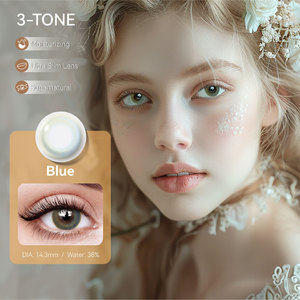
Precision-engineered cosmetic matrices engineered for clinical safety, vibrant multi-tone aesthetic rendering, and superior tear-film exchange. Available for full private-label customization and rapid B2B bulk dispatch.
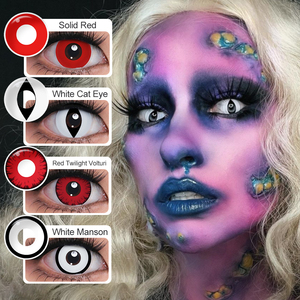
High-opacity micro-pigment suspension engineered for full dark-iris obscuration. Opaque theatrical formulations with reinforced sandwich layering for extreme stage and convention comfort.
Accentuated graphic outer diameter with a feathered inner transition matrix. Delivers dramatic iris enlargement while maintaining critical oxygen transmissibility across extended wear cycles.
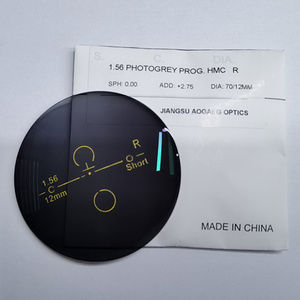
Next-generation fast-switching photochromic matrices integrated into progressive ophthalmic blanks. Dynamic molecular realignment activates under variable solar UV irradiation.
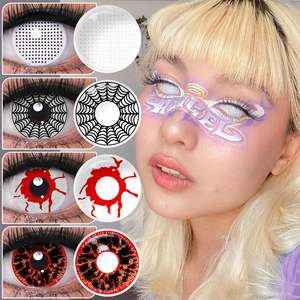
High-definition dot-matrix printing encapsulating intense crimson and graphic tones. Engineered with rounded edge geometries to reduce frictional conjunctival friction during wear.
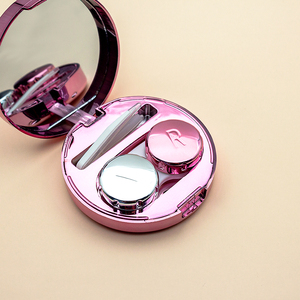
Ultrasonically welded, non-toxic polymer contact lens storage solutions. Includes precision silicone inserters, mirror compacts, and hermetically sealed twin preservation reservoirs.
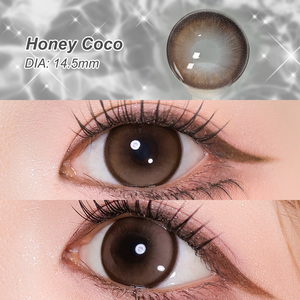
Designed with a realistic multi-chromatic micro-stippling pattern that seamlessly blends with the natural pupil fringe. Formulated with low-dehydration poly-HEMA hydrogel.
Ocean-inspired gradient tones utilizing a bio-compatible surface casting process. Offers elevated wettability and reduced protein adsorption for sensitive, dry ocular profiles.
Turn-key commercial collection featuring trend-aligned hazel, graphite, and topaz palettes. Full packaging customization with blister packs, secondary cartons, and regulatory compliance.
The global cosmetic contact lens market demands rigorous biomedical integrity. In our advanced automated facility, every disposable colored contact lens is manufactured using micro-machined precision cast molds that dictate refractive accuracy, base curve continuity, and edge geometry down to the sub-micron scale. Unlike inferior surface-printed alternatives that risk pigment delamination and mechanical corneal abrasion, our proprietary Double-Sandwich Color Interlayer Embedding technology seals all active organic colorants safely within the hydrogel polymer matrix.
Ocular Safety Verification: Every production batch undergoes aggressive chemical extraction tests and ultrasonic friction simulations to verify zero pigment leachability, complete chemical inertness, and uncompromised surface lubricity.
By stabilizing water content profiles between 38% and 55%, our lenses avoid drawing vital moisture from the corneal surface, mitigating end-of-day dryness symptoms. Optimized edge-lift profiles maximize post-lens tear interchange during each physiological blink cycle, maintaining epithelial health and delivering crisp visual acuity across plano and corrective powers alike.
Bio-inert colorants are micro-injected and cured entirely between two pristine optical-grade polymer membranes. Neither corneal tissue nor palpebral conjunctiva comes into direct physical contact with cosmetic pigments.
Request Safety DossierOffering both high-yield ionic/non-ionic hydrogels and state-of-the-art fluoro-silicone hydrogels with elevated Dk/t ratings. Formulations support extended wear scenarios by ensuring critical trans-corneal oxygen flux.
Material ComparisonEvery SKU is supported by complete technical dossiers: biocompatibility testing (ISO 10993 cytotoxicity, sensitization, irritation), accelerated 3-5 year real-time shelf stability profiles, and terminal sterilization validation.
Inquire Compliance| Physical Parameter | Manufacturing Tolerance | Clinical Performance Standard | Testing & Inspection Methodology |
|---|---|---|---|
| Base Curve (B.C.) | 8.50 mm – 8.70 mm (±0.02 mm) | Optimal corneal alignment & centration | Non-contact Sagittal Depth Gauging |
| Total Diameter (DIA) | 14.0 mm – 14.5 mm (±0.05 mm) | Balanced limbal coverage without limbal compression | High-resolution Projection Comparator (AOI) |
| Graphic Diameter (G.DIA) | 13.0 mm – 13.8 mm (±0.05 mm) | Natural to enlarged aesthetic iris profiles | Concentric Multi-Layer Digital Micrometry |
| Center Thickness (C.T.) | 0.06 mm – 0.09 mm (@ -3.00D) | Maximizes trans-lens oxygen diffusion rate | Low-pressure Mechanical Dial Gauge / Optical CT |
| Water Content | 38% – 55% (±1.5%) | Optimized tear-film retention & modulus stability | Gravimetric Karl Fischer Desiccation Analysis |
| Optical Powers (Sphere) | Plano (0.00D) to -8.00D (0.25D/0.50D steps) | Diffraction-limited refractive clarity | ISO 18369 Automated Focimeter Wavefront |
Strategic analysis for category heads, optical retail buyers, and e-commerce brand founders preparing their supply chains for evolving consumer demands and regulatory oversight.
Consumer behavioral data confirms rapid migration away from conventional annual lenses toward daily disposable and monthly replacement formats. Daily disposables completely eliminate compliance failures linked to lens cleaning solutions, antimicrobial cases, and protein deposits. Procurement teams are scaling 10-pack and 30-pack daily blister inventory to capture higher repurchase frequency and lifetime customer value.
With screen time continuing to compromise natural tear break-up times (TBUT), cosmetic wearers increasingly reject hypoxia-induced eye redness. Next-generation procurement frameworks prioritize fluorosilicone macromers treated with internal wetting polymers (such as PVP). This chemistry delivers oxygen transmissibility exceeding 60–80 Dk/t while preserving silky surface wettability and vibrant color registration.
Enforcement of the EU MDR 2017/745 (specifically Annex XVI for non-corrective cosmetic contact lenses) and stringent US FDA 510(k) cleared facility standards are filtering out uncertified suppliers. Forward-thinking distributors are consolidating contracts with fully audited medical factories capable of issuing compliant UDI barcodes, clinical summaries, and ISO 13485:2016 quality management dossiers.
Historical market fragmentation divided corrective clinical contact lenses from fashion cosmetics. Today, advanced OEM production platforms have eliminated this divide. R&D is rapidly commercializing Toric Cosmetic Lenses for astigmatism using prism ballast and dynamic stabilization zones that prevent lens rotation during blinking, keeping graphic patterns perfectly balanced.
Simultaneously, Multifocal Cosmetic Lenses featuring simultaneous vision concentric rings allow presbyopic wearers (40+ demographic) to achieve near, intermediate, and distance focus without abandoning their aesthetic routines. Our optical designers maintain an unprinted central clear pupil zone (typically 4.0mm to 5.5mm) calibrated to scotopic and photopic pupil diameters, completely eliminating visual vignetting or halo artifacts in low-light environments.
Smart Aesthetic Micro-Dots: By substituting solid ink rings with algorithmic multi-layer pointillism, our ODM patterns organically blend with ambient iris hues, achieving radiant realism across brown, amber, hazel, and deep-melanin eye phenotypes.
Building defensible brand equity requires complete supply chain reliability, zero-contamination assurance, and seamless packaging fulfillment.
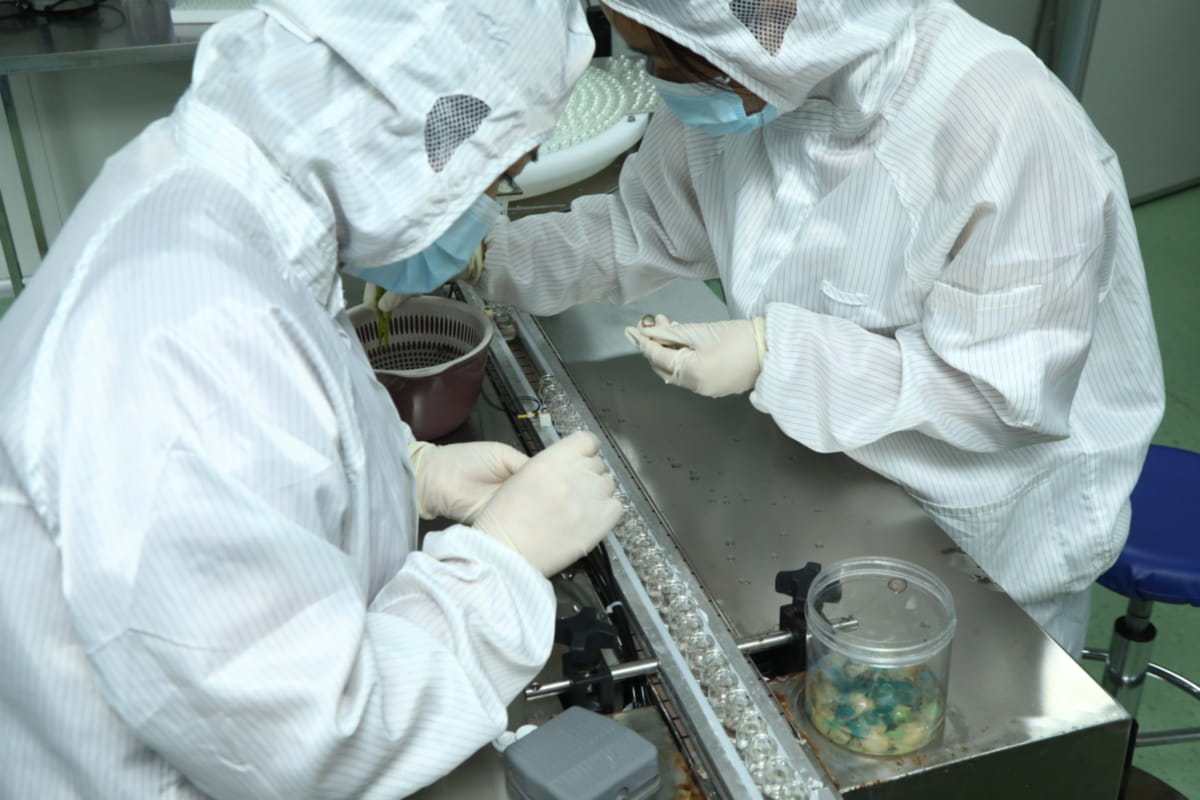
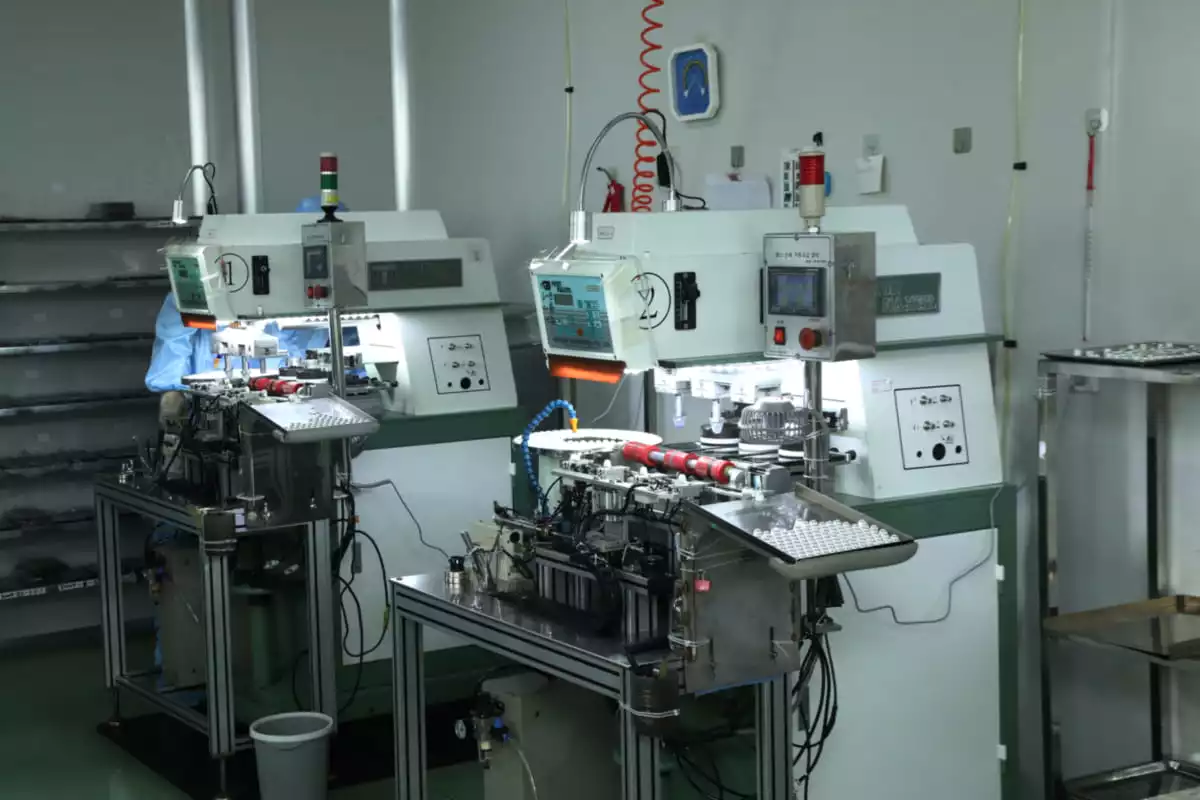
Fully robotic cast molding, hydration bath arrays, and blister seal tooling operate inside Class 100,000 clean environments, minimizing human handling and bio-burden risks.
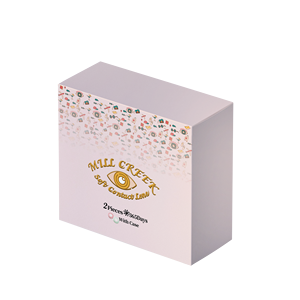
From thermoformed blister foil hot-stamping to secondary cartons, custom travel cases, and multi-lingual user instruction leaflets (IFUs), our design engineering delivers shelf-ready retail SKUs.
Each blister is laser-etched with unique LOT numbers, production timestamps, and standardized 2D DataMatrix codes, providing unbroken supply chain visibility from monomer synthesis to warehouse dock.
Standard sample sets ship within 3–7 business days. Custom pattern printing plates, chromatic colorway proofs, and pilot production batches are completed within 2–3 weeks.
Everything procurement executives, quality assurance directors, and private label managers need to know before initiating custom production.