Engineered Cosmetic & Optical Formulations
Explore our flagship OEM series engineered with class-leading Dk/t oxygen transmissibility, sterile blister automation, and photorealistic 3-tone iris mapping calibrated for dark and light eyes.
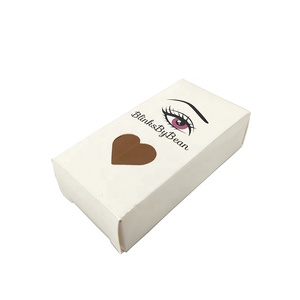
Wholesale Custom Logo Natural Color Contact Lenses Box & Kit
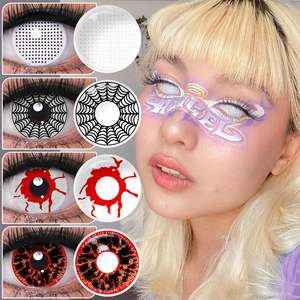
Crazy Color White & Multicolored Flag Cosplay Contact Lenses
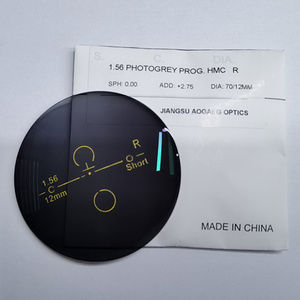
CR39 Fast Reactive Progressive Photochromic Optical Lenses
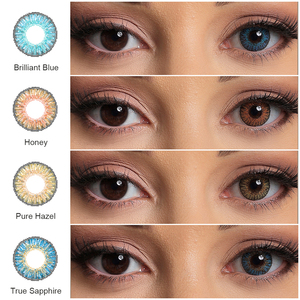
Freshgo 3-Tone Color Blends Soft Hydrogel Contact Lenses
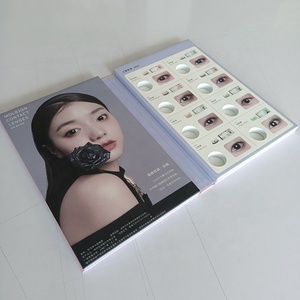
Turnkey Cosmetic Lens Gift Sets & High-End Rigid Packaging
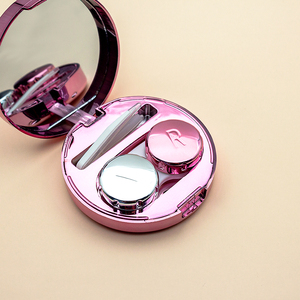
Lalens Cyber Grey Anime Doll Enlarging Circle Colored Contacts
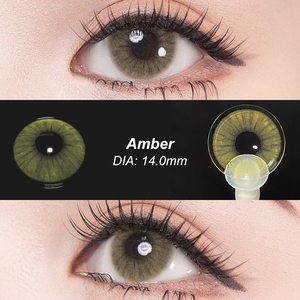
Magister Queen Hidrocor Non-Limbal Realistic Cosmetic Lenses
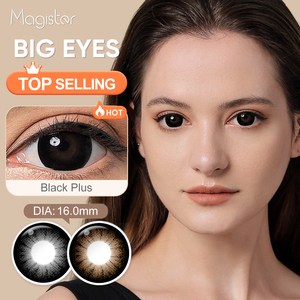
Magister 16.0mm Ultra-Large Natural Brown Doll Eye Contacts
Precision Cast-Molding vs. Conventional Lathe-Cutting
A comprehensive technical evaluation of polymer biocompatibility, Dk/t oxygen transmissibility, and closed-loop sanitary micro-layering in modern multi-colored contact lens fabrication.
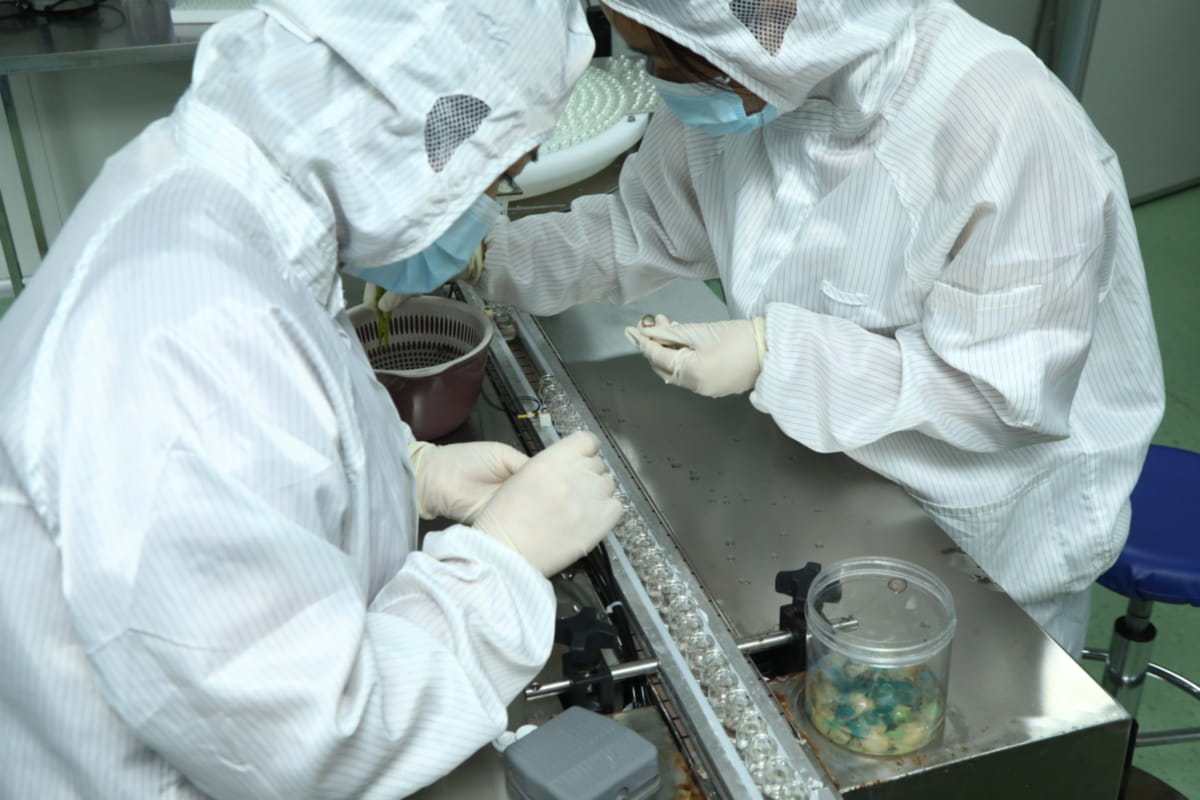
The Anatomy of Encapsulated Pigment Matrix
For brand owners and medical distributors, ocular safety is non-negotiable. Substandard cosmetic contact lenses manufactured via simple surface printing present catastrophic risks of corneal micro-abrasion, epithelial toxicity, and pigment leaching. In our automated cleanrooms, we employ proprietary 3-Layer Sandwich Micro-Encapsulation Technology.
Under this bio-compatible architecture, medical-grade inorganic iron oxide and copper phthalocyanine pigments are locked immutably between two transparent, highly hydrated hydrogel membranes. The ocular surface and palpebral conjunctiva touch only pure, polished hydrogel, preventing micro-trauma and ensuring zero color degradation throughout the entire wearing cycle.
Sub-Micron Edge Beveling & Hydration Equilibrium
The sensation of foreign body awareness in cosmetic contacts is predominantly driven by edge geometry rather than base curve mismatch alone. Our factory implements high-speed 5-axis digital cast molding combined with high-frequency ultrasonic edge rounding.
This process transforms sharp structural perimeters into smooth, continuous skived curves. The resulting laminar tear exchange underneath the lens continuously replenishes the tear film, delivering optimal wetting angles (< 35° sessile drop method) and preventing late-afternoon ocular dehydration in diverse demographic markets.
- Zero corneal contact with micro-pigments verified under 500x SEM microscopy.
- Cast-mold reproducibility with optical eccentricity error under ±0.015mm.
- 100% blister seal hermetic integrity tested via vacuum decay leak detection.
Polymer Formulations & Parameter Control Matrix
Custom OEM configurations tailored to international regulatory and regional biometric parameters.
| Polymer Category | Raw Monomer Chemistry | Water Content (%) | Dk/t (@ -3.00D) | Recommended Wear Cycle | Primary Application Matrix |
|---|---|---|---|---|---|
| Classic Poly-HEMA | Hydroxyethyl methacrylate + EGDMA | 38% – 42% | 18 – 28 × 10-9 | Monthly / Yearly | Vibrant Cosplay, Natural Circle, High-Tint Graphic |
| High-Moisture NVP | HEMA + N-Vinylpyrrolidone | 55% – 58% | 32 – 38 × 10-9 | Daily Disposable | Sensitive Eyes, Fast-Fashion Daily Beauty Lines |
| Silicone Hydrogel (SiHy) | Fluoro-silicone macromer + DMA | 45% – 48% | 85 – 130 × 10-9 | Daily / Monthly | Premium Clinical, Extended Daily Wear, Optical Chains |
| Toric Cosmetic Lens | Prism Ballast Dual-Zone Stabilized | 42% – 55% | 25 – 95 × 10-9 | Monthly / 6-Month | Astigmatism Correction with Cosmetic Chromatic Iris |
Future Procurement & Industry Development Trends (2026–2030)
How the global colored contact lens market is transitioning from budget novelty items to regulated beauty-tech medical commodities.
1. Silicone Hydrogel Domination
Historically, technical limitations prevented stable micro-pigment printing inside hydrophobic silicone macromers. Our breakthrough in hydrophilic polymer plasma treatment now allows silicone hydrogel colored lenses to achieve Dk/t values above 100 while maintaining brilliant 3-tone definition. Major Western optical chains are rapidly phasing out standard HEMA in favor of SiHy cosmetic lines.
2. Toric & Multifocal Color Integration
Nearly 32% of corrective lens wearers possess 0.75D or higher astigmatism, while the aging millennial demographic is creating huge demand for presbyopia-correcting cosmetic lenses. The factory of tomorrow must offer double-prism stabilized toric cosmetic contacts and center-near multifocal optics combined with realistic iris patterns.
3. The Shift to Daily Single-Use Blisters
In mature markets like Japan, South Korea, and North America, daily disposables represent over 72% of total retail volume. Concerns over lens case contamination and solution compliance are driving brand procurement towards 10-pack and 30-pack daily blister cartons with automated secondary packaging.
4. Hyper-Realistic Biometric Iris Mimicry
The "cosplay" effect of thick outer rings is giving way to micro-dot radial gradation that replicates human melanin dispersion. Our proprietary 12-layer laser stereolithography enables 3D depth illusion, allowing a single honey-hazel lens to blend seamlessly with both dark brown Mediterranean irises and light Nordic eyes.
5. Regulatory Compliance & Traceability
With the enforcement of EU MDR 2017/745 (Class IIa classification) and strict US FDA 510(k) clearances for colored contacts (even non-corrective plano items), private label buyers can no longer rely on unverified brokers. Sourcing requires complete Device Master Files (DMF), biological evaluation dossiers, and automated UDI coding.
6. Sustainable & Eco-Blister Packaging
Corporate ESG directives are forcing optical brands to audit supply chain plastics. Our factory is pioneering 30% down-gauged polypropylene blister cups and 100% recyclable foil laminates that maintain 5-year sterile shelf life under steam autoclave sterilization at 121°C without polymer deformation.
Why International Brands Choose Our Manufacturing Ecosystem
Delivering end-to-end reliability from design inception to clinical testing, automated blister sealing, and regulatory filing assistance.
Ultra-Low MOQ Private Label Proofing
Unlike monolithic factories demanding 50,000 units per shade, our flexible cell manufacturing enables rapid brand launch programs with starting MOQs as low as 300 pairs per SKU for in-stock patterns, and 1,000 pairs for custom-designed plates.
- Custom packaging design & barcode alignment.
- Pre-production sterile sampling within 7-14 days.
- Scalable batches from 300 to 500,000 pairs per month.
Medical-Grade Quality Assurance
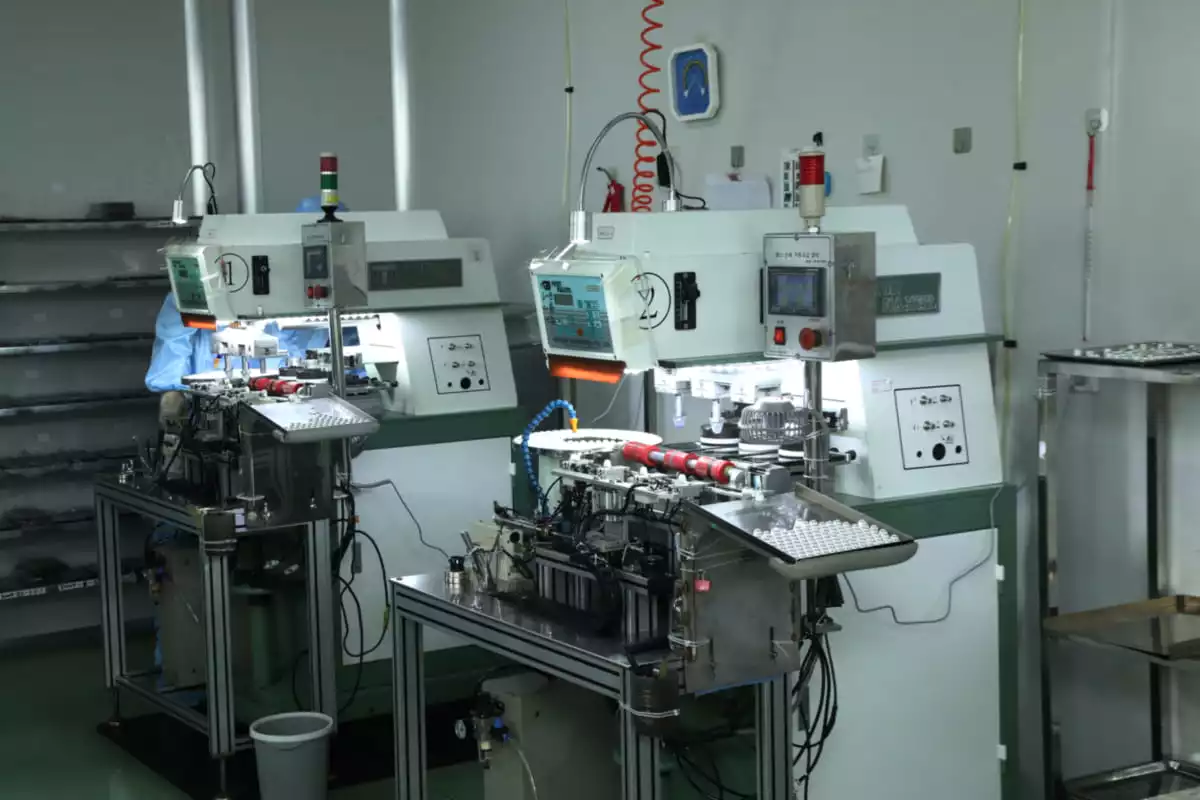
Operating under ISO 13485:2016 quality management systems, our facility incorporates 100% automated optical inspection (AOI) to scrutinize optical centration, power consistency, edge tears, and bubble entrapment in sterile saline.
- Class 100,000 cleanroom moulding & sterile fill.
- Autoclave terminal sterilization at 121°C / 30 min.
- Bio-compatibility & cytotoxicity assay batch records.
Comprehensive Global Documentation
We provide brand owners with turn-key technical dossiers, Free Sales Certificates (FSC), Material Safety Data Sheets (MSDS), and stability aging test reports required to navigate SFDA, US FDA, PMDA, and European notified bodies.
- Accelerated 5-year real-time aging validation.
- Extractable and leachable chemical screening.
- Dedicated regulatory consultants assigned to your account.
From Monomer Synthesis to Hermetic Sterile Blister
Strict traceability governs every batch of contact lenses manufactured inside our automated plant.
Frequently Asked Questions for B2B Importers & Brand Owners
Essential guidance addressing regulatory hurdles, tooling setup, MOQ parameters, private label lead times, and clinical verification.
Q1: What is the standard MOQ for private label contact lenses versus custom designs?
For stock library formulations (using existing moulds and popular color patterns), our private label MOQ starts at 300 to 500 pairs per color with customized blister foil and exterior carton packaging. For fully custom pattern developments (new printing clichés and unique tone layering), the typical MOQ is 1,000 to 2,000 pairs per design to amortize plate tooling and color matching runs.
Q2: Are non-prescription (plano 0.00D) colored lenses regulated as medical devices?
Yes. In virtually every major jurisdiction—including the US (FDA Class II), the European Union (EU MDR 2017/745 Class IIa), Saudi Arabia (SFDA), and Japan (PMDA)—cosmetic contact lenses are legally categorized as medical devices regardless of whether they deliver corrective refractive power. Sourcing from non-certified cosmetic novelty producers exposes importers to immediate customs seizure.
Q3: How do you ensure pigments do not touch the human cornea?
We utilize the Sandwich Semi-Cast embedding technique. In this protocol, the colorant layer is deposited between two layers of polymer matrix before final polymerization is initiated. Cross-linking bonds the layers into a single monoblock lens. Cross-sectional microtome inspection under scanning electron microscopy confirms the pigment layer is embedded at least 15 microns beneath the lens surface.
Q4: What is the typical sampling, tooling, and mass production lead time?
In-stock sample assortments for color and fit evaluation ship within 3 to 5 business days. Custom color pattern prototyping takes 14 to 21 days for cliché engraving and initial sample casting. Once pre-production samples and packaging artwork are approved, standard mass production takes 30 to 45 calendar days, including the compulsory 14-day sterility incubation check.
Q5: Can you manufacture colored contact lenses with toric or multifocal corrections?
Yes. Our precision digital cast molding lines produce custom toric colored lenses for astigmatic correction (cylinder powers up to -3.75D in 10-degree axis increments) utilizing prism ballast stabilization. We also manufacture center-near multifocal cosmetic lenses (with ADD powers from +1.00D to +2.50D) designed to maintain a clear visual corridor while preserving rich iris coloration.
Q6: What primary packaging formats are available for OEM brands?
We offer two primary medical formats: (1) Polypropylene (PP) blister packs heat-sealed with multi-ply aluminum foil, pre-filled with buffered saline, typically packed 2, 5, 10, or 30 lenses per retail carton; (2) Traditional borosilicate glass vials (3ml or 5ml) sealed with butyl rubber stoppers and aluminum tear-off caps, commonly favored for yearly replacement cycles in specific regional markets.
Q7: How does water content correlate with oxygen transmissibility and comfort?
In standard HEMA hydrogel lenses, higher water content (e.g., 55%) increases oxygen transmissibility (Dk) through the aqueous phase of the lens, making it comfortable for short, daily wear. However, for dry environments or prolonged computer use, lower water content (38%-42%) provides superior dimensional stability and resists evaporation. For the highest oxygenation, our silicone hydrogel achieves high Dk independently of water content.
Q8: What quality and regulatory documentation is provided with each shipment?
Every commercial order is accompanied by a comprehensive Certificate of Analysis (COA) specifying base curve, diameter, power, water content, sterility release, and residual monomer levels (< 0.05%). Furthermore, we furnish full technical documentation dossiers (STED), ISO 13485:2016 factory audit records, biological safety test reports (ISO 10993), and stability data to facilitate local market product registration.
Q9: What graphic diameters (G.DIA) and base curves (BC) are standard?
Our standard base curve is 8.6mm, fitting over 88% of human corneas naturally. Diameters range from 14.0mm (subtle natural tint) to 14.5mm (glamour enlarging) and up to 16.0mm for dramatic cosplay circles. Graphic diameter (G.DIA)—the actual pigmented area—typically spans 13.0mm to 15.4mm with clear optical pupillary aperture maintained between 3.8mm and 4.5mm to prevent peripheral vision vignetting in low-light environments.
Q10: What payment, shipping, and incoterm options do you support?
We support standard B2B international commerce terms including FOB Shanghai/Shenzhen, CIF, and DDP to your designated distribution warehouse. Payment terms typically operate on T/T (30% deposit upon order confirmation and artwork sign-off, 70% balance upon presentation of Bill of Lading and Certificate of Sterility), with Irrevocable L/C at sight accepted for high-volume optical container orders.
Ready to Launch or Scale Your Private Label Contact Lens Line?
Partner with an audited, certified manufacturer. Consult directly with our medical optical engineers for sample kits, custom pattern prototyping clichés, and wholesale factory quotation tiers.