Featured Cosmetic Lenses, Packaging & Ocular Care Solutions
Explore our turnkey manufacturing catalog spanning high-pigment cosmetic lenses, cosplay anime optics, luxury bespoke gift packaging, and ultrasonic high-frequency lens sterilization hardware.
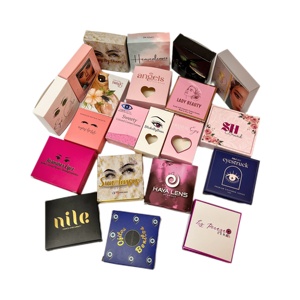
Natural Color Eye Lens Packaging Box
Factory-engineered protective carton packaging tailored for daily blister strips or glass vials. Features multi-lingual regulatory marking compliance and precision internal inserts.
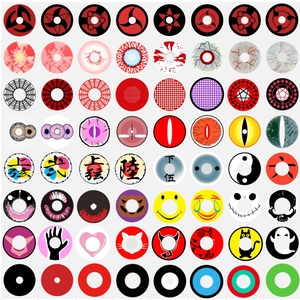
Halloween Crazy Sharingan Anime Cosplay Lenses
High-opacity character lenses utilizing fully encapsulated red and magenta micro-pigment layers. Provides 100% iris masking on dark eyes with wide clear optical center apertures.
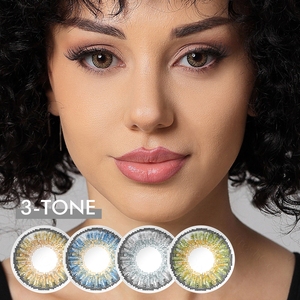
FRESHGO Pure Hazel 3-Tone Colored Contact Lenses
Advanced tri-tone radial matrix simulating human iris trabecular meshwork. Delivers natural optical depth with soft limbal transitions, popular for daily beauty enhancement lines.
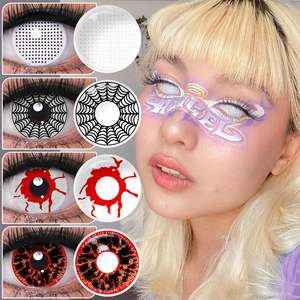
Multicolored Flag & Festival Cosplay Colored Lenses
Vibrant festival and theatrical lenses engineered with zero surface pigment leakage. Formulated for seasonal retail spikes, pop-culture conventions, and youth event fashion catalogs.
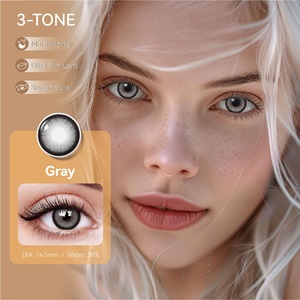
DSC Natural Prescription Colored Beauty Lenses
Medical-grade corrective cosmetic lenses providing consistent optical centering and uniform refractive power. Available in delicate blush pink, lavender, and hazel tone overlays.
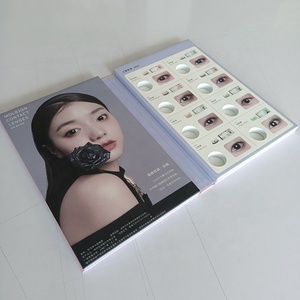
Custom Luxury Cosmetic & Lens Packaging Gift Box
Bespoke influencer pr-boxes and retail presentation kits. Houses multiple blister pairs, lens cases, applicator tweezers, and branded promotional inserts with premium finishes.
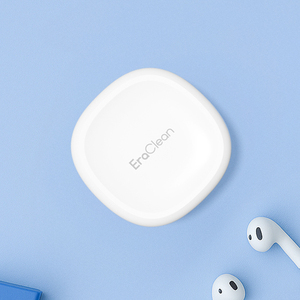
105KHz Ultrasonic Lens Cleaner with UVC Sterilization
Advanced post-wear lens maintenance device removing 99.8% of tear film lipids and proteins without damaging soft hydrogel surfaces. Ideal cross-merchandise retail accessory.
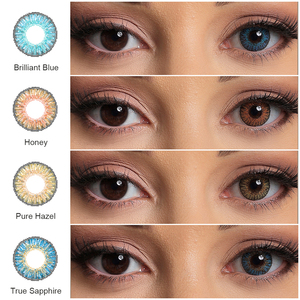
Freshgo 3-Tone Color Blends Soft Contact Lenses
Benchmark aesthetic soft color lenses featuring gradual tone shading. Blends soft pastel pink, rose, and hazel tones into natural eye structures with exceptional all-day hydration.
Future Procurement Trends in China Wholesale Pink Contact Lenses
Navigating shifting consumer demographics, international regulatory harmonization, material transitions, and supply chain digitalization in the decorative lens market.
The global market for cosmetic colored contact lenses is undergoing a structural paradigm shift. Once categorized strictly as theatrical novelties or niche Halloween costume accessories, pink contact lenses (encompassing rose gold, sakura blush, pastel pink, magenta, and twilight violet blends) have entered the mainstream cosmetic routine. Driven by the viral rise of aesthetic subcultures across TikTok, Instagram, and global anime conventions, commercial demand has expanded from seasonal spikes into consistent, year-round volume. For international optical distributors, e-commerce direct-to-consumer (DTC) conglomerates, and private label beauty brands, sourcing directly from verified Chinese manufacturing facilities has become the cornerstone of competitive positioning.
1. Natural Blends Replacing Block Pigments
B2B procurement data demonstrates that single-tone, stark "block pink" lenses are rapidly ceding market share to multi-tone gradient architectures. Wearers with dark brown or black irises demand high-translucency pink tones that blend seamlessly with natural melanin patterns. Modern procurement protocols prioritize 2-tone and 3-tone dot matrix designs with feathered inner pupillary boundaries and delicate hazel or charcoal limbal rings to achieve a soft-focus "fairycore" aesthetic without artificial hardness.
2. Material Evolution: The Silicone Hydrogel Shift
While conventional PolyHEMA hydrogel (38%-42% water content) remains the cost-effective volume driver for cosmetic daily and monthly disposables, the B2B procurement vector is accelerating toward third-generation Silicone Hydrogel (SiHy) matrices. Silicone hydrogel formulations deliver significantly elevated oxygen transmissibility (Dk/t values exceeding 80x10^-9), eliminating ocular hypoxia during prolonged wearing cycles. Professional optical chains now require SiHy options to protect cornea metabolism while displaying vibrant pink dyes.
3. Stricter International Medical Device Auditing
Regulatory enforcement on cosmetic contact lenses has intensified globally. The implementation of the European Union Medical Device Regulation (EU MDR 2017/745 Class IIa/IIb) and stringent US FDA 510(k) clearances has eliminated uncertified workshops. Experienced buyers now bypass middlemen, partnering directly with primary China OEM factories equipped with comprehensive Design History Files (DHF), ISO 13485:2016 quality management systems, and complete biocompatibility toxicology dossiers (ISO 10993).
Strategic Sourcing Takeaway for 2025-2026: Institutional buyers are consolidating SKU matrices to balance daily disposables (10-pack blister cartons for hygiene-conscious retail) alongside quarterly and yearly vials for high-margin specialized cosmetic retail. Providing both plano (0.00) and corrective powers (up to -8.00D) in pink hue lines increases brand revenue by an average of 34% per wholesale catalog cycle.
Engineering Excellence in Pink Contact Lens Fabrication
A granular look at the optical, chemical, and physical parameters governing safe, vibrant, and biocompatible decorative soft contact lens mass production.
Manufacturing cosmetic pink contact lenses requires solving a fundamental optical challenge: delivering saturated chromatic intensity while safeguarding physiological corneal health. Unlike blue or green lenses where darker underlying pigments assist in natural tinting, pink and rose shades utilize lighter, high-chroma dye combinations. If the pigment is insufficiently opaque, dark brown irises will completely absorb the hue, resulting in a dull, muddy brown appearance. Conversely, if pigment layers are deposited with excessive thickness, they elevate lens rigidity, disrupt corneal wettability, and impede oxygen diffusion.
| Critical Parameter | Standard Commercial Range | Advanced Clinical Grade | Engineering Significance |
|---|---|---|---|
| Base Curve (BC) | 8.50 mm – 8.70 mm (±0.05) | 8.60 mm Aspheric Geometry | Prevents lens decentration, excessive movement, and corneal apex compression. |
| Total Diameter (DIA) | 14.0 mm – 14.5 mm | 14.2 mm (G.DIA 13.3 - 13.6mm) | Ensures sufficient cosmetic enlargement while maintaining corneal limbus clearance. |
| Center Thickness (CT) | 0.08 mm – 0.11 mm (@ -3.00D) | 0.065 mm Ultra-Thin Profile | Optimizes oxygen flux transmissibility across the central pupillary zone. |
| Water Content | 38% – 42% (Hydrogel) | 48% – 55% (Silicone Matrix) | Balances surface lubrication against on-eye dehydration and lens steepening. |
| Pigment Enclosure | Pad Printed Surface (Legacy) | Full 3-Layer Cast Sandwich | Zero abrasive pigment contact with the palpebral conjunctiva or cornea. |
| Sterilization Standard | Boiling / Chemical Soak | Moist Heat Autoclave (121°C) | Sterility Assurance Level (SAL) 10^-6 validated under ISO 17665 standards. |
Micro-Encapsulated Sandwich Casting
Our automated production facilities utilize high-precision cast molding technology. The cosmetic pigment matrix is deposited between two distinct optical polymer layers before ultraviolet curing. This guarantees that dyes never migrate, leach, or directly contact the fragile corneal epithelium, completely preventing toxic keratopathy or allergic conjunctivitis.
High-Fidelity Dot-Matrix Printing
Utilizing high-definition clichés and silicone transfer tampons, microscopic ink dots (down to 25 microns) are layered radially. By interleaving opaque titanium dioxide (TiO2) base dots with translucent magenta and warm golden-apricot gradients, our pink lenses achieve high visual vibrancy on deep brown irises without occluding peripheral vision.
Edge Profile Hydrodynamics
Every cast-molded lens undergoes precision automated lathe trimming and wet-state edge polishing. The profile features an ultra-tapered, round bi-curve contour designed to facilitate uninterrupted tear exchange beneath the lens body during involuntary blinks, accelerating metabolic waste removal and preventing conjunctival compression indentation.
Enterprise Manufacturing & Global OEM/ODM Support
Vertically integrated production facilities operating under medical-grade cleanroom protocols, offering rapid iteration, agile MOQs, and tailored supply chain integration.
Class 10,000 Cleanroom GMP Standards
Our monomer formulation, cast mold clamping, hydration, and primary blister packaging take place entirely within ISO Class 7 and Class 8 (10,000 / 100,000 grade) cleanrooms, continuously monitored for airborne particulates and bioburden levels.
100% Automated Optical Inspection (AOI)
Eliminate human visual fatigue. Every individual contact lens passes through ultra-high-resolution CCD cameras that perform 360-degree rotational surface analysis, inspecting for edge chips, micro-bubbles, peripheral tears, and print decentration in real-time.
Comprehensive Export Documentation
We supply buyers with full technical dossier packages: Certificate of Free Sale (CFS), ISO 13485:2016 audited certificates, CE technical files, USP Class VI material test reports, and customized labeling fully aligned with national optical health authorities.
Full Private Label Ecosystem
Beyond lens casting, we deliver complete brand fulfillment: custom foil blister stamping, medical PP blister mold designs, glass vial crimping, magnetic influencer gift boxes, user instruction leaflets, and bundled ultrasonic cleaning devices.
Frequently Asked Questions for B2B Importers
Detailed answers covering compliance protocols, custom Pantone color sampling, minimum order quantities, production lead times, and global shipping logistics.