The Cross-Pacific Hazel Optics Supply Chain: Strategic Advantages & Compliance
Hazel cosmetic contact lenses represent the single largest grossing aesthetic lens category in the United States, commanding more than 38% of total colored hydrogel imports. Driven by widespread consumer demand for warm brown-to-green transitions on darker irises, establishing a reliable, ISO 13485-certified OEM/ODM manufacturing pipeline in China provides North American brands with unprecedented margin resilience, sub-micron edge reproducibility, and turnkey private label execution.
Engineered Optical Formulations for the US Retail & Salon Channels
Explore our high-performance cosmetic contact lens models. Featuring full polymer embedding, multi-tone color gradation, and medical-grade hydrogel polymers built for all-day physiological tear stability.
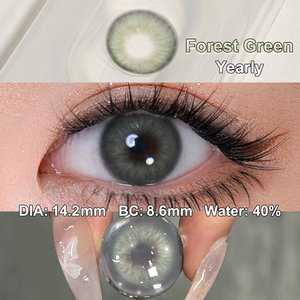
Freshgo Soft Black 6 Months Beauty Eye Color Contacts 14.20mm
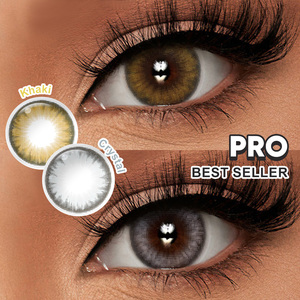
Freshgo Pro Hazel Colored Cosmetic Soft Eye Lens Series
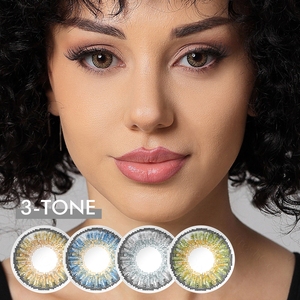
Freshgo Pure Hazel 3-Tone Colored Contact Lenses for Dark Eyes
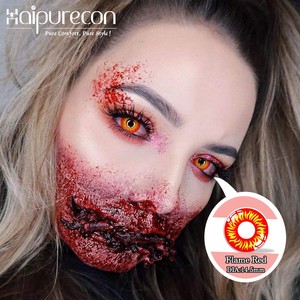
Haipurecon Cosplay Contact Lenses Soft Cat's Eye HEMA-NVP 40%
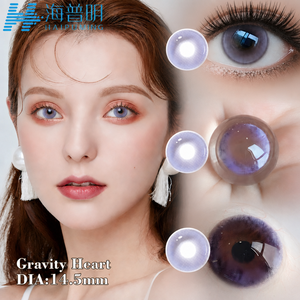
Prescription Purple Yearly 14.5mm Power Cosmetic Soft Lens
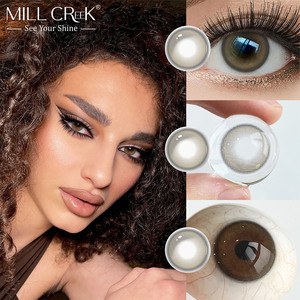
Natural Soft Colored Contact Lenses 14.2mm 14.5mm 4 Shades Yearly
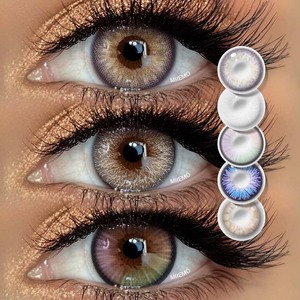
Soft Natural Three Tone Color Contact Lenses 14.0mm ISO Certified
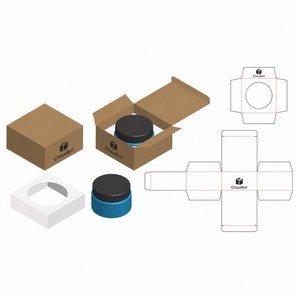
Love Window Design Colored Contact Lenses Paper Box Packaging
State-of-the-Art Contact Lens Fabrication Architecture
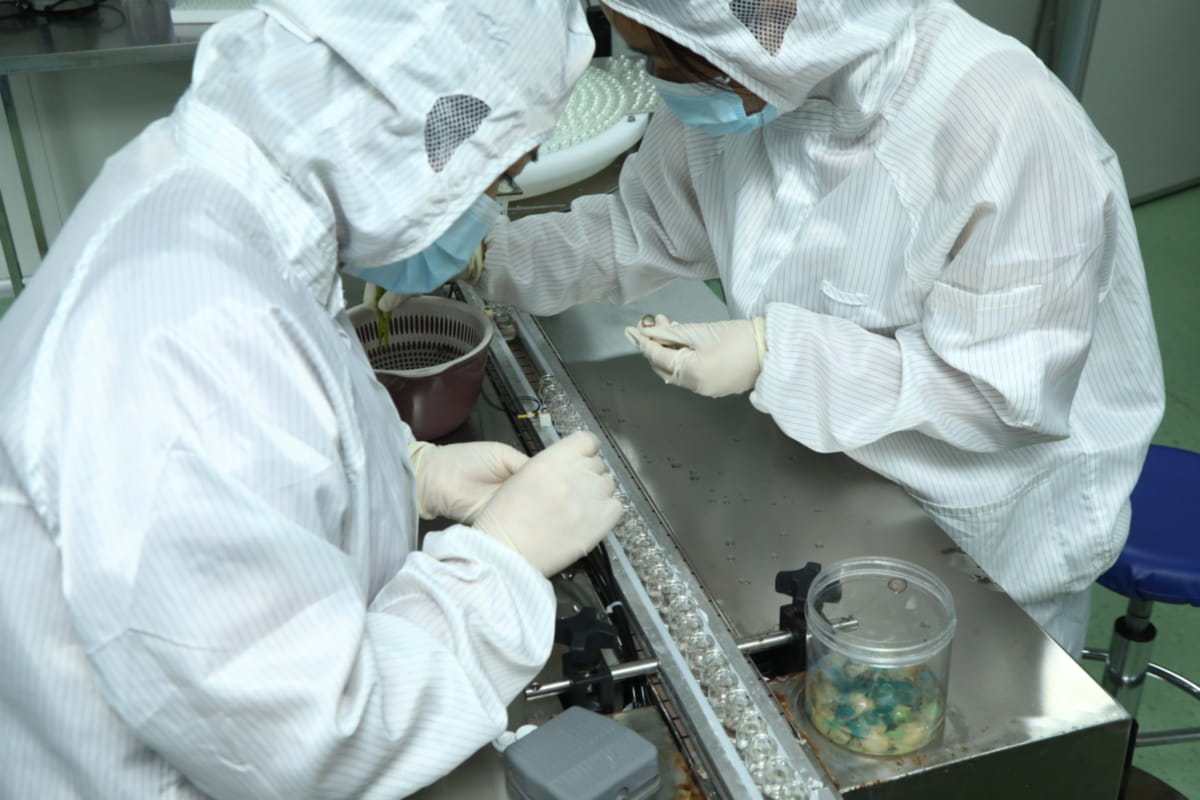
China’s leading cleanroom fabrication facilities utilize automated cast molding lines that ensure zero direct surface contact for toxic pigment dyes, yielding biocompatible comfort verified against stringent ocular safety standards.
Sandwich Matrix Sealing
Bio-inert poly-HEMA and silicone monomers enclose the organic and inorganic iron oxide pigments entirely inside the central lens core. Pigment scraping, leaching into tear lipids, or corneal abrasive irritation is physically eliminated.
Cast-Molding Optical Precision
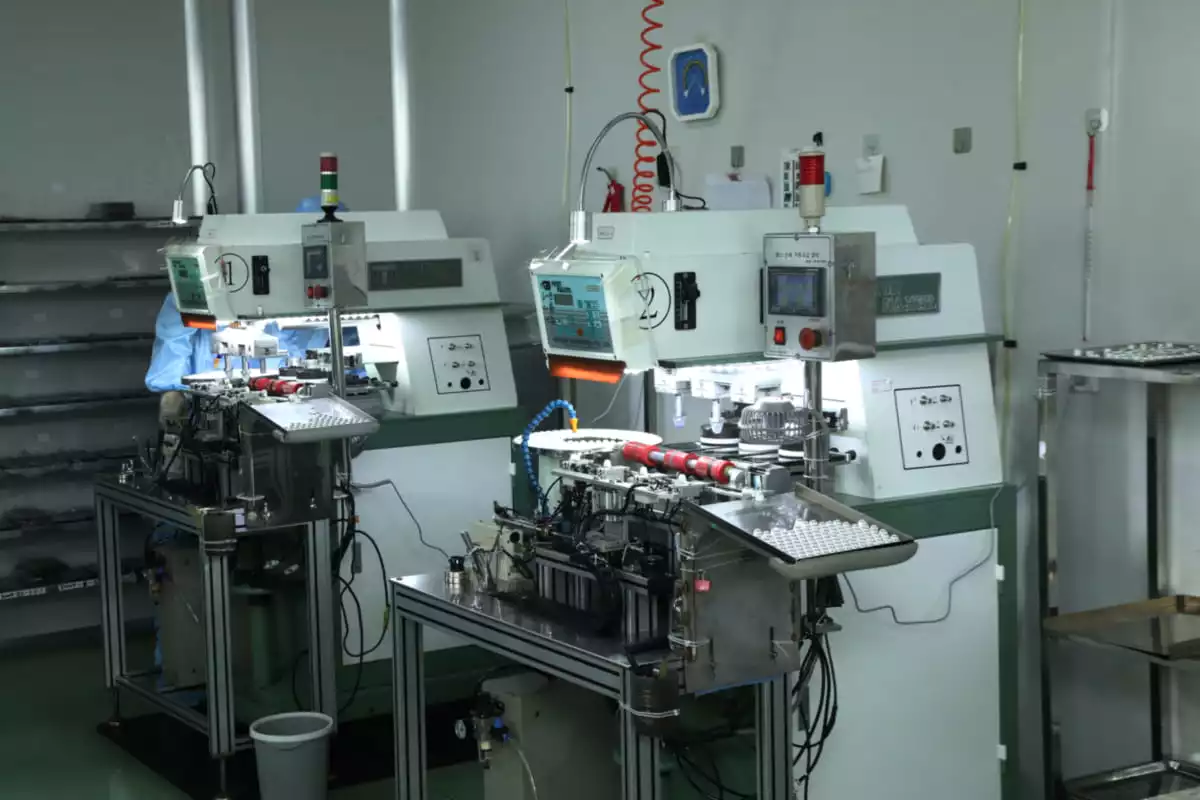
Unlike obsolete spin-cast methods, our automated cast-molding machinery maintains nanometer-accurate curvature tooling across every batch, ensuring spherical aberration control and repeatable base curves between 8.5mm and 8.7mm.
Hydration & Dk/t Optimization
Engineered with equilibrium water retention between 38% and 42%, preventing the ocular dehydration common with high-water content alternatives. Available silicone hydrogel matrix designs offer Dk/t ratings above 80 for prolonged wearing comfort.
Navigating US FDA 510(k) and FCLCA Frameworks
In the United States, all contact lenses—including non-corrective (plano) cosmetic hazel lenses—are classified as Class II Medical Devices under 21 CFR § 886.5925. Importers, brand consolidators, and e-commerce merchants must adhere to federal safety oversight regulated by the FDA and the Federal Trade Commission's (FTC) Contact Lens Rule.
China manufacturing hubs have modernized beyond standard domestic licenses. Leading tier-one facilities maintain validated Device Master Files (DMF), biological reactivity test validations (ISO 10993 cytotoxicity, ocular irritation, and sensitization), and terminal autoclave steam sterilization data (ISO 17665) directly transferable to client 510(k) applications.
- FCLCA Compliance: System architecture supporting digital prescription verification engines.
- UDI Implementation: Global Trade Item Number (GTIN) and compliant 2D DataMatrix code integration.
- Accelerated Aging: ISO 11987 real-time and elevated temperature stability documentation.
Comprehensive Engineering Matrix: Material & Replacement Cycles
A side-by-side technical evaluation designed for optical procurement directors analyzing raw polymer capabilities, edge geometries, and regulatory clearance tiers.
| Product Architecture | Primary Material | Water Content | Center Thickness | Dk/t Permeability | Target Application | Quality Standards |
|---|---|---|---|---|---|---|
| Pro Hazel Realistic | HEMA-NVP Hydrogel | 40% ± 2% | 0.07 mm @ -3.00D | 18.5 x 10⁻¹¹ | Everyday Dark Iris Enhancement | FDA 510(k) Ready ISO 13485 |
| Pure Hazel 3-Tone | Poly-HEMA | 38% ± 2% | 0.08 mm @ plano | 16.0 x 10⁻¹¹ | Multidimensional Warm Blends | CE MDR ISO 13485 |
| Daily Disposable Hazel | Filcon II 3 (Si-Hy) | 55% ± 2% | 0.06 mm @ plano | 86.0 x 10⁻¹¹ | Premium Hygiene-First Retail | FDA 510(k) Ready CE MDR |
| Cosplay / FX High-Opaque | Conventional Hydrogel | 42% ± 2% | 0.09 mm @ plano | 14.0 x 10⁻¹¹ | Conventions, Stage & Creator Media | ISO 13485 |
| Toric Aesthetic Hazel | Stabilized Hydrogel | 38% ± 2% | 0.085 mm (Prism Ballast) | 19.0 x 10⁻¹¹ | Astigmatism Color Realism | FDA 510(k) Ready ISO 13485 |
Localized US Demand Channels for Hazel Color Formulations
Hazel continues to outperform gray, blue, and violet contact lenses across key US metropolitan regions. By combining golden honey undertones with subdued moss-green flecks, hazel formulas bridge diverse eye pigmentations effortlessly.
Multi-Ethnic Iris Blending
In high-density markets like California, Texas, Florida, and New York, consumers with natural dark brown eyes seek realistic transformation without stark, unnatural contrasts. Hazel 3-tone prints provide the optimal blend.
Content Creator & Studio Production
High-definition 4K streaming and social media production require micro-dot printing patterns without visible digital pixelation. Our fine-aperture matrix delivers depth under intense studio lighting.
Bridal & Aesthetic Pop-Ups
US boutique salons and bridal beauty registries frequently merchandise daily disposable hazel lenses as high-margin add-ons, delivering photographic warmth for weddings and high-profile social galas.
Independent Eyecare Practices (ODs)
Optometry clinics use private label cosmetic lenses to retain patients within practice dispensaries, counteracting revenue leakage toward massive online mega-retailers.
Future Market Dynamics in US Cosmetic Contact Lens Sourcing
The North American cosmetic contact lens sector is shifting toward single-day replacement cycles and hybrid silicone matrices. Brand operators that rely on outdated thick yearly lenses risk marginalization as consumer wellness education matures.
1. Single-Day Disposability Dominance: Driven by hygiene concerns and convenience, daily disposable blisters are projected to capture 64% of all cosmetic lens retail value in North America by 2028.
2. Micro-Graphic Diameters (Naturalism): Demand has transitioned away from exaggerated 14.8mm "doll eye" circle lenses toward realistic 13.0mm–13.4mm graphic diameters featuring fading, soft-edge limbal bands.
3. Direct-to-Consumer Custom Packaging: Sustainable FSC-certified paper packaging with tamper-evident holograms and individualized blister foil art is now essential for US boutique branding.
Turnkey China Manufacturing Built for Global Brand Resilience
We bridge the gap between rapid Chinese engineering agility and rigid international regulatory compliance. Control every critical parameter from base curve casting to final sterilization.
Agile OEM/ODM Minimums
Launch private label hazel collections without prohibitive working capital commitments. Standardized stock models begin at only ~300 pairs per shade, with custom packaging and barcode integration.
Cost-Efficiency & High Gross Margin
Direct factory sourcing delivers a sub-$1.50 per-pair landed cost baseline for standard blister configurations, allowing North American retailers to price at $24.00–$38.00 MSRP with extraordinary margin safety.
Complete Batch Traceability
Every production run generates authenticated Certificate of Analysis (COA) dossiers, recording bioburden levels, saline pH stability, refractive power verification, and individual lot sterilization logs.
Frequently Asked Questions for US Contact Lens Importers
Comprehensive answers addressing customs classification, regulatory clearance, private label lead times, and quality control protocols.