Optical Tooling
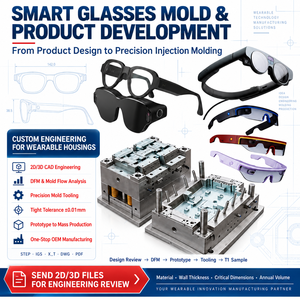
Direct OEM & ODM solutions crafted with sandwich pigment encapsulation, biocompatible polymers, and customizable Graphic Diameters (G.DIA) built specifically for European cosmetic and corrective distributors.
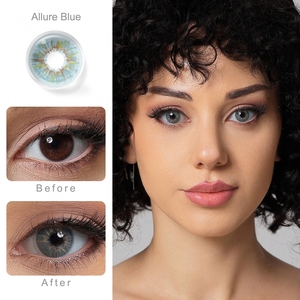
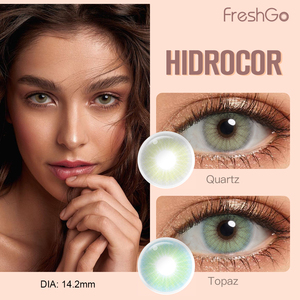
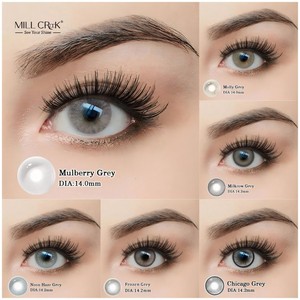
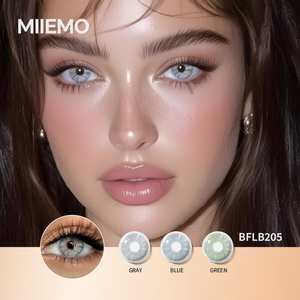
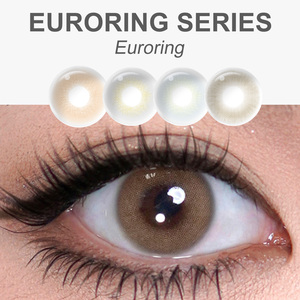

An authoritative technical review on biocompatibility, optical centering, pigment sandwiching, and commercial compliance requirements for Portuguese medical device distributors and pop-culture retail brands.
The convergence of pop culture fandom, the exponential growth of gaming conventions such as Comic Con Portugal (Lisbon) and Iberanime (Porto & Lisbon), and the sophistication of the European optical retail market has turned novelty cosmetic contact lenses—particularly anime-inspired Sharingan and specialized iris patterns—into a high-margin consumer segment. However, importing and distributing these complex, highly pigmented hydrogel lenses across Portugal and the broader European Union requires stringent technical engineering and rigorous adherence to medical device regulations.
Historically, the European novelty lens sector suffered from unregulated, uncertified imports characterized by exposed surface pigments, suboptimal oxygen permeability, and inconsistent base curves. For optical chains, independent pharmacies (farmácias), and premium e-commerce brands operating in Lisbon, Porto, Coimbra, and Braga, sourcing from an ISO 13485 certified OEM/ODM manufacturing facility is not merely an operational convenience—it is a critical legal and reputational imperative under Regulation (EU) 2017/745 (MDR).
Furthermore, novelty contact lenses intended for vibrant cosplay and cinematic performance present unique optical challenges. Traditional cosmetic circle lenses prioritize subtle color gradients. In contrast, Sharingan designs—featuring iconic 1-Tomoe, 2-Tomoe, 3-Tomoe, and intricate Mangekyō geometric vectors—demand complete opacity across the peripheral and mid-iris zones while maintaining an uncompromised, crystal-clear Optical Pupil Zone (typically 3.8mm to 4.2mm in diameter). Without micron-level concentric alignment, wearers suffer from severe visual occlusion, tunnel vision, or halo effects, especially in low-light convention halls or evening festival environments.
High-volume retail surges surrounding Iberanime at Exponor (Matosinhos) and FIL (Lisbon), where high-opacity Sharingan patterns with plano (0.00) power are purchased for character transformations.
Commercial stage performances, Portuguese indie cinema productions, and Lisbon's vibrant Halloween & electronic music festival circuits requiring verified sterile blister packaging.
Prescription-corrected novelty lines (0.00 to -8.00 D) tailored for Portuguese optometry practices looking to provide safe, regulated novelty alternatives to counter illegal street imports.
Strategic B2B buyers serving the Portuguese territory must evaluate three defining consumer and regulatory trends currently shaping market adoption:
1. Strict Medical Device Classification and Enforcement: Under Infarmed (Autoridade Nacional do Medicamento e Produtos de Saúde, I.P.) and European Regulation 2017/745, non-corrective (plano) cosmetic and novelty contact lenses are explicitly classified as medical devices (Annex XVI). Portuguese customs and market surveillance authorities enforce zero-tolerance for uncertified contact lenses entering through Lisbon or Porto freight hubs. Our OEM supply chain equips every shipment with exhaustive technical documentation, biocompatibility testing, cytotoxicity reports, and valid Declaration of Conformity dossiers.
2. Transition from Annual to Daily & Monthly Replacement Cycles: While traditional theatrical lenses were almost universally 1-year vials, Portuguese Gen Z and millennial buyers are driving demand toward daily disposable (1-day) and monthly (30-day) blister packs. Daily disposables eliminate the need for multipurpose lens care solutions and reduce microbial keratitis risks among occasional event wearers. Our production facility provides multi-tiered production runs supporting daily 10-packs, monthly dual-blister cartons, and classic annual glass vials.
3. Private Label Customization with Portuguese Labeling (IFU): Brand differentiation in Portugal requires custom white-label packaging featuring compliant Portuguese instructions for use (Instruções de Utilização), barcode integration (EAN-13), batch lot traceability, and expiry validation. Velalens provides in-house graphic design and box structural engineering to guarantee that client retail packaging arrives fully compliant with local Portuguese retail standards.
All parameters are engineered for high anatomical compatibility across European corneal topologies (mean corneal radius 7.8mm).
| Base Curve (BC) | 8.50 mm – 8.70 mm (±0.02 mm precision) |
|---|---|
| Total Diameter (DIA) | 14.20 mm – 14.50 mm |
| Graphic Diameter (G.DIA) | 13.20 mm – 13.80 mm (High coverage) |
| Clear Pupil Aperture | 3.80 mm – 4.20 mm centered optical aperture |
| Water Content | 38% – 42% (Low dehydration poly-HEMA) |
| Central Thickness | 0.07 mm – 0.09 mm (@ -3.00D) |
| Available Powers | Plano (0.00) and Myopia (-1.00 to -8.00 D) |
| Sterilization Cycle | Wet steam autoclaving (121°C @ 20 min) |
In high-opacity red and black Sharingan prints, pigment thickness can induce differential swelling or edge stiffness if not balanced dynamically inside the cast mold. Our state-of-the-art multi-cavity injection molds and automated vision inspection stations monitor three-dimensional lens concentricity, edge contour roundness, and dioptric power accuracy across every production run.
Each batch undergoes rigorous microbiological bioburden analysis, endotoxin testing, and accelerated shelf-life studies validating sterile seal integrity for 5 years.
Serving global brands with vertically integrated contact lens fabrication, rapid design prototyping, and robust supply chain resilience.
Patented sandwich technology traps cosmetic inks inside monomer matrices. Zero pigment contact with corneal epithelium, ensuring flawless safety records.
Eliminate inventory deadweight. Start your branded private label novelty series from just 300 pairs per design with flexible packaging options.
Bespoke blister strips, sterile glass vials, and multilingual retail cartons engineered to European and Portuguese retail specifications.
Clear answers regarding customs clearance, regulatory standards, minimum orders, and sample dispatch to Portugal.
Yes. In Portugal, Infarmed strictly follows European Regulation (EU) 2017/745 (MDR) Annex XVI, which categorizes contact lenses without corrective power (plano cosmetic lenses) under the same regulatory rigor as prescription corrective lenses. Importing them requires legitimate CE documentation, ISO 13485 certification, and traceable sterilization records, all of which we furnish per SKU.
For ready-to-ship stock designs, air cargo transit to Humberto Delgado Airport (LIS) or Francisco Sá Carneiro Airport (OPO) takes 5 to 9 business days via express carriers (DHL/FedEx/UPS). Customized private label OEM orders with tailored cartons and blister foil printing generally require 3 to 4 weeks of manufacturing followed by express air dispatch.
Absolutely. Our ODM pattern engineering division works from your vector schematics or conceptual artwork. We create bespoke pad printing plates, optimize the optical pupil diameter to avoid visual obscuration, produce pilot evaluation samples in 14 business days, and guarantee geographic design exclusivity for contract territories.
Yes. We assist client procurement teams by providing fully editable dielines and pre-verified regulatory symbols (CE mark, Notified Body number, LOT, sterile steam symbol, EXP date) alongside bilingual layout templates ensuring immediate compliance with Portuguese retail consumer protection standards.
Partner directly with an ISO-certified manufacturer. Request sample kits, factory audits, wholesale tier pricing, and complete technical compliance dossiers immediately.