218M+
Target Consumer Base in Nigeria
100%
Encapsulated Pigment Matrix Safety
300+
Low OEM MOQ Pairs per Tone
NAFDAC
Full Dossier & Free Sale Certification
Factory Sourcing Portfolio
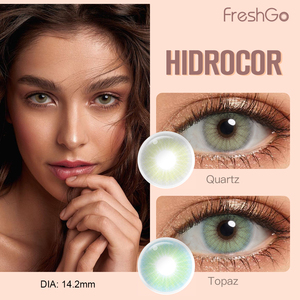
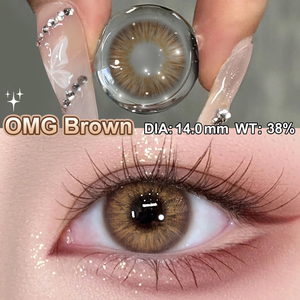
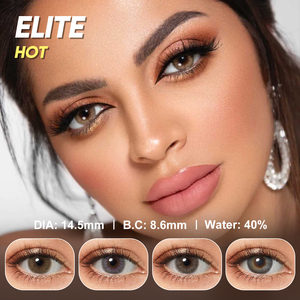
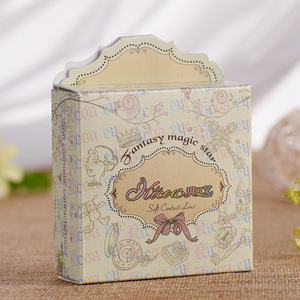
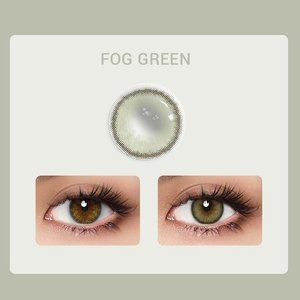
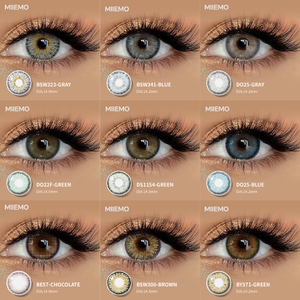
Factory-Direct Colored Contact Lenses Optimized for African Retail
Engineered with cast molding precision, sandwich color encapsulation, and high oxygen permeability, these export-ready designs match the dynamic cosmetic and refractive demands of the Nigerian consumer demographic.
Market Application Scenarios
Where Cosmetic & Optical Contact Lenses Drive Commerce in Nigeria
Understanding Nigerian consumption touchpoints enables importers to diversify product lines across high-margin retail channels from Lagos Island wholesale hubs to upscale salons in Abuja.
Nollywood Studios & High-Fashion Production
Lagos is the beating heart of African entertainment. Film directors and celebrity makeup artists demand prosthetic FX lenses, high-saturation blues, and striking hazel tones that read vividly on high-definition 4K cameras while maintaining actor comfort under scorching studio lighting.
The "Owambe" Wedding & Gala Glamour Circuit
Traditional and white weddings in cities like Ibadan, Lagos, and Port Harcourt are multi-billion Naira events. Brides, bridal parties, and attendees utilize 3-tone realistic colored contacts as indispensable fashion accessories paired with intricate Gele head-ties and luxury glam cosmetics.
Clinical Optical Clinics & Hybrid Correction
Young Nigerian professionals in Victoria Island and Abuja increasingly reject thick spectacle frames. Optometrists and optical dispensaries are prescribing soft colored contacts featuring myopia correction powers up to -8.00D, bridging optical necessity with modern lifestyle aesthetic elevation.
Strategic Industry Outlook
Emerging Market Trends Reshaping Nigerian Contact Lens Imports
A rigorous examination of macroeconomic dynamics, urbanization, climate factors, and social commerce ecosystems transforming ophthalmic retailing in West Africa.
Dominance of Natural Melanin-Enhancing Hues
While novelty tones hold sway during festive seasons, 85% of sustained commercial demand in Nigeria centers around realistic brown, honey, hazel, and deep olive gray pigments. Formulations engineered specifically to obscure deep dark irises without appearing fake or pixelated are dominating sales on Instagram and Jumia.
Direct-to-Consumer (DTC) Social Commerce Boom
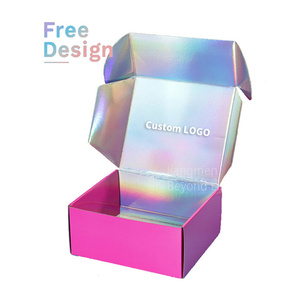
TikTok and Instagram shops run by Nigerian beauty influencers have bypassed legacy brick-and-mortar storefronts. Fast delivery networks in Ikeja and Lekki mean brand owners require private label blister packaging, bespoke kits, and fast replenishment from OEM suppliers who can guarantee reliable batch-level color integrity.
Harmattan Climate Adaptation & High-Dk Polymers
During the West African Harmattan season (November to March), particulate dust and dry atmospheric conditions trigger severe ocular irritation. Sourcing trends are shifting decisively away from cheap low-tier lenses toward silicone hydrogel and high-lubricity poly-HEMA matrices that lock moisture and repel particulate adhesion.
Nigeria Import Logistics & Regulatory Execution Roadmap
Successful importation into Lagos Port (Apapa / Tin Can Island) or Murtala Muhammed International Airport (LOS Cargo) requires precise structural adherence to national statutory controls. Here is how professional importers manage operational parameters:
| Compliance Pillar | NAFDAC / Statutory Requirement | Factory Support & Documentation Provided |
|---|---|---|
| Medical Classification | NAFDAC Medical Devices Directorate (Class B/C depending on corrective claim) | ISO 13485 Manufacturing System, CE/MDR Declaration of Conformity |
| Foreign Authorization | Power of Attorney (POA) & Factory Free Sale Certificate (FSC) authenticated by Embassy | Legalized Chamber of Commerce documentation, Certificate of Analysis (CoA) |
| Financial Clearance | Single Window Form M issuance, SONCAP Pre-Shipment Inspection (PSI) | Commercial Invoice, Proforma with HS Code 9001.30, Clean Inspection Packing List |
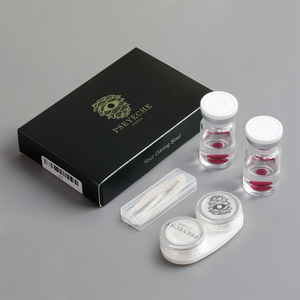
| Packaging & Labeling | English language instructions, LOT number, sterilization expiry, GTIN/EAN barcodes | Customized inner blister foil, multilingual outer cartons, airplane carton packaging |
Direct Factory Credentials
Why Major African Beauty Brands Partner With Our Manufacturing Base
As a specialized contact lens manufacturer, we combine clinical ophthalmic engineering with private-label agility to empower West African distributors.
Engineering Precision Meets Uncompromising Safety
Navigating the tropical African cosmetic market demands products that withstand rigorous shelf environments while maintaining absolute ocular biocompatibility. Our automated cleanrooms operate under class 100,000 environmental controls, ensuring every batch meets international standards.
3-Layer Sandwich Printing: Pigments never make corneal contact.
Ultra-Smooth Edge Profile: Reduces blinking friction in dusty climates.
Flexible MOQs: Starting from 300 pairs per SKU for private labels.
Full Regulatory Dossiers: Free Sale & ISO test data for NAFDAC filings.

B2B Sourcing FAQ
Frequently Asked Questions by Nigerian Importers & Distributors
Real-world insights on customs, shipping lanes, product formulations, and currency management for Nigeria-bound consignments.
How does NAFDAC classify colored contact lenses in Nigeria?
In Nigeria, NAFDAC treats both cosmetic (plano 0.00 power) and prescription contact lenses as medical devices under the Medical Devices Directorate. Importers must hold a Certificate of Product Registration. As your OEM factory partner, we supply the complete Certificate of Free Sale (CFS), ISO 13485 quality system certificates, Certificate of Analysis (COA), and technical documentation required to successfully complete NAFDAC pre-market approval.
What shipping methods work best for importing from China to Lagos?
For initial private label launches and high-value orders, air cargo via DHL, FedEx, or dedicated air-freight consolidators directly to Murtala Muhammed International Airport (LOS) is ideal, with typical transit times of 5 to 8 working days. For bulk commercial stock exceeding 50,000 pairs, ocean freight via 20ft container to Apapa Port or Tin Can Island provides substantial per-unit freight cost reductions.
Which lens colorways yield the fastest inventory turnover in Nigeria?
Sales data across retail distributors in Lagos and Abuja confirm that natural brown tones (hazel, chestnut, caramel, amber), subtle limbal-ring gray, and olive greens represent approximately 78% of repeat wholesale orders. High-contrast designs with multi-tone layering ensure the color remains visible yet organic against deep dark brown African irises.
How do you navigate foreign exchange volatility and Form M procedures?
We support Nigerian enterprise buyers by offering flexible payment terms including T/T wire transfers in USD, EUR, or CNY (Chinese Yuan), as well as confirmed Letters of Credit (L/C) for qualifying volume orders. Our export documentation strictly aligns with Central Bank of Nigeria (CBN) Electronic Form M and e-Evaluated Customs clearance procedures.
What is the shelf life and temperature tolerance for tropical West Africa?
Our lenses are sealed in medical-grade buffered saline with double-inspected blister foil or glass vials, providing a 5-year sterilized shelf life. The hydration matrix is formulated and tested to retain dimensional stability and oxygen permeability under tropical storage temperatures typical of warehouses in Ikeja, Kano, or Onitsha.