
Strategic Sourcing: Navigating Israel's Contact Lens Market Architecture
Procuring cosmetic colored contact lenses for the Israeli market demands an intricate balance between high-end aesthetic appeal and uncompromising medical device engineering. In Israel, contact lenses are classified and strictly monitored under the AMAR (Medical Equipment Division of the Ministry of Health) directives. Importers, pharmaceutical distributors (such as Super-Pharm chains), independent optometry boutiques, and fast-growing Tel Aviv-based direct-to-consumer (DTC) beauty startups must look beyond superficial color pigmentations. Evaluating a global manufacturer requires verifying cleanroom standards, cast-molding repeatability, biopolymer lubricity, and full traceability of regulatory documentation.
Cosmetic lenses occupy an intersection between fashion and clinical ophthalmology. While retail consumers in Haifa, Jerusalem, and Tel Aviv view aesthetic contact lenses as lifestyle and beauty enhancers, the cornea recognizes them solely as foreign biomaterial. Sourcing managers must guarantee that imported products maintain optimal ocular health parameters under diverse Mediterranean and desert conditions, avoiding surface dye leaching, corneal neovascularization, and tear-film instability.
Core Technical Metrics for Supplier Due Diligence
The technical parameters that distinguish medical-grade cosmetic contact manufacturers from low-tier novelty suppliers.
Micro-Encapsulation Technology
Dyes must be integrated inside a 3-layer polymer sandwich matrix. Direct surface contact of ink with corneal epithelium or tarsal conjunctiva leads to mechanical abrasions and toxic chemical leaching.
Dk/t Transmissibility & Lubricity
Oxygen transmissibility (Dk/t) balance ensures all-day comfort. Lenses must retain balanced hydration (38% to 55%) without pulling critical moisture away from the tear film in dry arid climates.
AMAR & EU MDR Compatibility
Israel’s AMAR process recognizes expedited pathways for products holding EU MDR (CE) or US FDA 510(k) clearances. A verified exporter must provide full Device Master Files (DMF) per SKU.
Localized Applications in Israel: Climate Dynamics & Consumer Demographics
Selecting colored contact lenses for the Israeli consumer base requires a deep understanding of local ocular epidemiology and lifestyle demands. The geographic diversity across Israel—from the Mediterranean humidity of Tel Aviv to the arid, high-particulate air of the Negev and Arava regions—profoundly affects contact lens comfort and stability:
1. Arid Microclimates & High Evaporative Stress: In urban centers where office air conditioning operates year-round, combined with coastal winds or desert dryness (Sharav conditions), wearer dry-eye syndrome is accelerated. Cosmetic contact lenses must utilize non-ionic hydrogel or silicone hydrogel materials that minimize lipid and protein deposition while ensuring low surface dehydration rates. Lenses engineered with smooth, rounded edge profiles reduce friction against the inner eyelid during blinking, an essential attribute for everyday wear.
2. Natural Iris Transformation on Dark Ocular Phenotypes: The predominant natural eye pigmentation across the Israeli population ranges from deep amber and hazel to rich dark brown. European translucent color formulas often vanish against dark irises. A competent exporter must offer multi-tone layered patterns (dual-tone limbal borders with tri-tone inner iris textures) that provide authentic chromatic shifts without presenting an artificial, chalky appearance. Natural tones such as olive hazel, warm graphite gray, and ocean blue consistently yield the highest retail sell-through across retail optical stores.
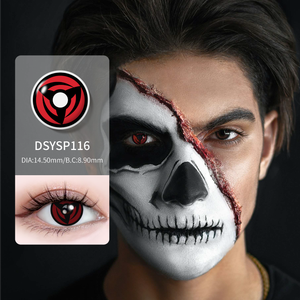
3. Social Festivities, Bridal Markets, & The Purim Peak: While everyday prescription and plano cosmetic lenses generate dependable baseline MRR (Monthly Recurring Revenue), Israel exhibits extreme seasonality during Purim and the extended spring-summer bridal season. Retailers demand high-frequency, reliable turnarounds for vibrant novelty and character designs prior to Purim, alongside hyper-realistic, photograph-ready soft tones for high-end wedding makeup artists in Central Israel.
Material Science Matrix: Hydrogel vs. Silicone Hydrogel in Regional Sourcing
When specifying manufacturing parameters with international exporters, Israeli buyers must evaluate the trade-offs between water content, oxygen permeability, and replacement frequencies:
| Polymer Chemistry | Typical Dk/t | Water Content | Ideal Israeli Application Scenario | Clinical Pros & Cons |
|---|---|---|---|---|
| Standard HEMA Hydrogel | 20 – 28 | 38% – 42% | Purim novelty, daily events, cost-sensitive private label | Excellent dimensional stability and color vibrancy; limited wear time in dry environments. |
| High-Water PolyHEMA | 25 – 32 | 55% – 58% | Daily disposable lifestyle & beauty wear | Instant on-eye comfort; higher dehydration rate under sustained hot/dry outdoor exposure. |
| Silicone Hydrogel (SiHy) | 80 – 125 | 40% – 48% | Monthly wear, extended daily wear, premium optical chains | Unsurpassed oxygen transmissibility preventing corneal hypoxia; requires precision surface treatment. |
Local Market Evolution: Emerging Trends Across Israeli Optometry & Retail
The optical ecosystem in Israel is undergoing profound transformations driven by digitization, consumer awareness, and tighter retail integration:
Shift Towards Daily Disposables: Due to hygiene consciousness, Israeli optometrists and consumers increasingly favor daily disposable colored contact lenses. Eliminating daily cleaning solutions minimizes complications stemming from poor lens care, particularly relevant for festival and occasional cosmetic wearers.
Integration of Optical Correction (Toric & Multifocal): The domestic market has moved beyond purely plano (zero-power) fashion lenses. Israeli buyers now actively seek suppliers capable of manufacturing customized toric colored lenses for astigmatic consumers and multifocal designs for presbyopic demographics who refuse to compromise personal aesthetic expression.
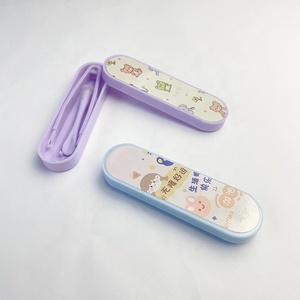
Direct-to-Consumer (DTC) Private Labeling: Boutique cosmetic chains and local digital brands are commissioning custom private label lines. Exporters that offer low minimum order quantities (MOQ)—starting from 300 pairs per color—with bespoke Hebrew packaging, sterile blister packs, and custom toolkits provide local entrepreneurs an agile competitive advantage over legacy import monopolies.
Why Partner With Velalens: Manufacturing Capabilities Engineered for Global Scale
As an established OEM & ODM colored contact lens manufacturer, Velalens Technology Co., Ltd. controls every facet of lens formulation, precision cast molding, pigment chemistry, and cleanroom automation. We serve brands, optical chains, and clinical distributors globally, supplying dependable eye products built to rigorous medical standards:
Patented Sandwich Encapsulation
Our pigments are hermetically sealed inside the clear polymer matrix, guaranteeing zero direct surface dye contact, preserving corneal health and ensuring smooth eyelid transit.
100% Comprehensive Optical Inspection
Every single manufactured lens undergoes automated and high-magnification optical inspections to verify edge consistency, concentric print centering, and complete absence of micro-burrs.
Regulatory Ready Data Dossiers
We supply full biocompatibility reports, ISO 13485 quality system documentation, accelerated aging test reports, and sterilization validations necessary for seamless AMAR registration in Israel.
From classic 1-tone translucent tints to complex 3-tone limbal designs, our agile factory infrastructure supports quick-turn prototyping (samples in 3 to 7 days) and flexible, modular batch manufacturing to fit your replenishment cadence.
Procurement & Importation FAQ for Israeli Buyers
Actionable answers addressing compliance, MOQs, logistics, and localized customization.
What regulatory documentation is required to clear cosmetic colored lenses through Israeli Customs and AMAR?
What is the Minimum Order Quantity (MOQ) for starting a private label brand in Israel?
Can lenses and packaging be customized with bilingual Hebrew and English labeling?
How do you prevent pigment leaching and maintain comfort in hot, arid Israeli climates?
What are the standard sampling and shipping lead times to Tel Aviv / Haifa ports?
Scale Your Colored Contact Lens Brand in Israel
Connect with our technical export specialists to request sample kits, review AMAR documentation, and discuss custom OEM/ODM production requirements.
Contact Us