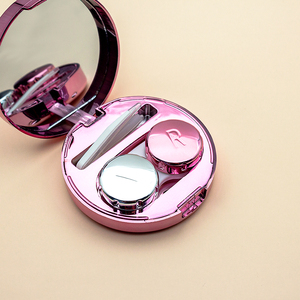
Cosplay & Subculture
Lalens Cyber Grey Anime Doll Contacts Wholesale
Ultra-vivid pigmentation matrix engineered for doll-eye enlargement and high-coverage color transformation over dark brown eyes.
Precision-engineered optical designs tailored for dark and light irises, packaged with European CE/ISO traceability for Spanish distributors, retail opticians, and private labels.
Ultra-vivid pigmentation matrix engineered for doll-eye enlargement and high-coverage color transformation over dark brown eyes.
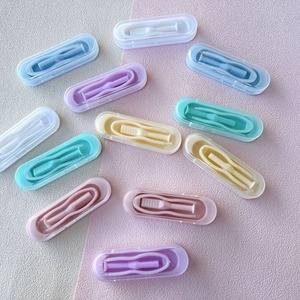
Ergonomic medical-grade polypropylene packaging, split-clip applicator box designed for Spain optometry retail counters.
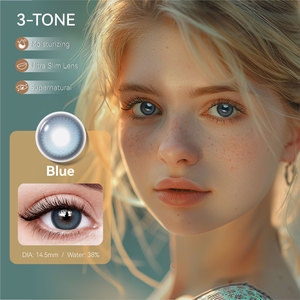
Bestselling Mediterranean deep-blue shades with natural micro-dot limbal rings; fully tailored OEM blister packaging ready.
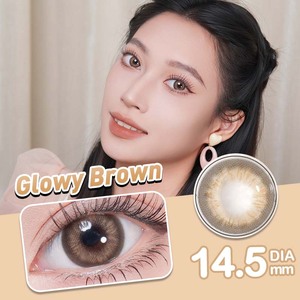
Subtle multi-tone luminescence replicating realistic daylight iris reflections. High moisture retention for dry Mediterranean air.
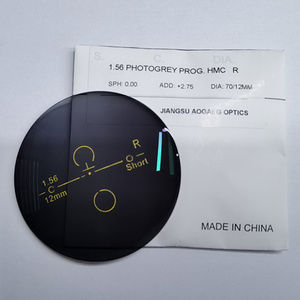
Complementary optical lens blank production featuring swift UV reaction, providing integrated optical labs complete supply versatility.
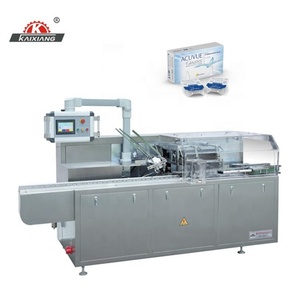
Industrial packaging automation offering tamper-evident carton folding and barcode verification for European optical fulfillment centers.
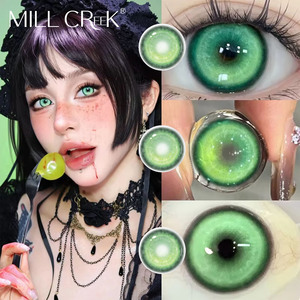
High-opacity, theatrical pigments encapsulated in biocompatible hydrogel for safe, striking seasonal promotional campaigns.
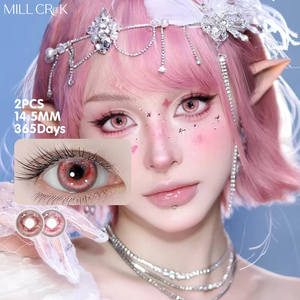
Sharply defined 14.2mm graphic prints engineered specifically for international gaming expos, comic-cons, and youth fashion brands.
A comprehensive examination of consumer ophthalmological behaviors, regulatory landscapes under the AEMPS, and climate-specific hydrogel performance criteria in the Iberian Peninsula.
Spain's interior continental and Mediterranean climate zones (such as Madrid, Andalusia, and Castilla-La Mancha) present high summer temperatures, low relative air humidity, and continuous exposure to indoor HVAC systems. These environmental challenges frequently accelerate contact lens dehydration. Spanish consumers increasingly reject multi-use monthly hydrogels in favor of ultra-hydrated daily disposables with hydrophilic matrices that prevent ocular grittiness, redness, and end-of-day limbal fatigue.
Over 78% of the native Spanish demographic naturally possesses deep hazel, chestnut, or dark brown irises. Standard single-tone cosmetic lenses produced with conventional transparent dyes fail to provide adequate opacity, producing muddy or unnatural color results. Our formulation integrates triple-layer micro-dot matrix printing, blending warm base pigments (honey, warm amber, moss green, and slate gray) that achieve photographic color transformation without sacrificing a soft, hyper-realistic transition.
The Spanish Agency of Medicines and Medical Devices (AEMPS) strictly classifies cosmetic contact lenses as medical devices under European Regulation (EU) 2017/745 (MDR). Non-corrective (plano) and corrective colored lenses alike require an audited CE Mark from an authorized Notified Body, comprehensive technical documentation, bio-compatibility assay validations, and localized multilingual Spanish labeling. Grey-market imports encounter routine customs seizures at Port of Valencia and Barajas Logistics Hub.
How Spanish business buyers, optometry networks, and consumer brands position daily disposable cosmetic contacts to maximize retail turnover and user loyalty.
Prominent Spanish optical retailers throughout Catalonia, Madrid, and the Basque Country leverage daily cosmetic lenses as a value-added upsell during routine vision screenings. Patients requesting plano fashion accessories or myopic visual correction are introduced to daily 10-packs or 30-packs as a sterile, zero-maintenance luxury alternative to glasses during weddings, weekend celebrations, and professional conferences.
The booming Spanish wedding and professional bridal circuit across Seville, Marbella, and Valencia considers aesthetic eye styling indispensable. High-end aesthetic clinics and bridal studios partner with private-label brand distributors to offer high-definition daily lenses. Single-day disposability eliminates the need for antiseptic cleaning regimens, guaranteeing brides pristine ocular comfort, vivid photography contrast, and absolute hygiene.
From the world-renowned Salón del Manga de Barcelona to comic and pop culture gatherings in Madrid and regional carnivals across Cádiz, young Spaniards embrace theatrical character replication. Daily disposable novelty and vivid-circle lenses provide safe, high-impact transformations without the high microbial contamination risk associated with storing and reusing annual cosplay lenses throughout long convention days.
A comparative evaluation of polymer hydrogel compositions, pigment encapsulation methods, and edge design profiles deployed in our cleanroom manufacturing lines.
| Evaluation Parameter | Sandwich Cast-Molded Hydrogel (HEMA) | Silicone Hydrogel (Si-Hy) Third-Gen | Generic Competitor Surface-Printed |
|---|---|---|---|
| Pigment Isolation | Pigment sealed between optical polymer layers (Zero surface contact) | Triple-lock enclosed pigment matrix within high-Dk silicone mesh | Surface-printed or poorly sealed ink (Risk of corneal abrasion) |
| Oxygen Transmissibility (Dk/t) | 22–28 Dk/t (Optimized for 8–10 hours daily wear) | 65–85 Dk/t (Safe for extended 14+ hour continuous cosmetic wear) | <15 Dk/t (Elevated risk of corneal hypoxia and neovascularization) |
| Water Content Index | 42% – 55% with low-evaporation osmotic formulation | 38% – 45% (High intrinsic modulus, optimal tear-film stability) | Inconsistent hydration balance (Prone to midday drying) |
| Edge Profile Engineering | Micro-tapered rounded bi-curve edge design | Multi-aspheric smooth contour reducing eyelid friction | Square-cut or irregular edge (Noticeable blink irritation) |
| EU Regulatory Feasibility | Full CE MDR Class IIa technical file and Notified Body approval | Fully certified for European medical device distribution | Lacks localized traceability; high customs rejection risk |
Anticipating regulatory tightening, shift toward sustainable packaging, and the rise of hybrid optical corrections in Iberia.
Ophthalmological surveys across Spain indicate that consumer preferences have shifted decidedly from quarterly and annual colored lenses toward single-use daily blisters. Propelled by heightened hygiene consciousness and professional recommendations from opticians, daily disposables eliminate disinfectant handling, minimize keratitis risks, and offer unmatched versatility for occasional users.
The contemporary Spanish buyer no longer settles for cosmetic alteration alone. Sourcing queries increasingly demand functional power integration: wide spherical ranges (plano down to -10.00 D), corrective toric solutions for astigmatism, and multifocal cosmetic designs that allow mature presbyopic wearers to combine color enhancement with sharp reading vision.
In accordance with strict European environmental directives and Spanish waste-reduction policies (Ley de Residuos y Suelos Contaminados), brand owners actively seek manufacturing partners offering reduced-plastic blister cups, bio-based foil solutions, and recycled paperboard packaging produced via energy-efficient cleanroom processes.
Direct-from-factory OEM/ODM capabilities delivering flawless repeatability, low barriers to private labeling, and total compliance support.
Our facility utilizes fully automated cast-molding lines where colored inks are embedded securely between optical polymers. Color pigments never come into contact with the ocular surface, guaranteeing total biocompatibility, vibrant color longevity, and friction-free blinking comfort.
We lower the barrier for aspiring Spanish cosmetic brands and regional optical chains. While typical medical device manufacturing demands tens of thousands of units, our stock design private label orders start from an accessible ~300 pairs per color with comprehensive box and blister packaging customization.
Every single manufactured lens undergoes high-magnification optical projection, center-thickness testing, edge-smoothness evaluation, and print-registration alignment before steam sterilization. Defect-free shipments ensure high retail satisfaction and pristine brand reputation across the EU.
Transparent, legally verified answers addressing minimum orders, regulatory customs clearance, lead times, and product development.
Partner with an audited medical device manufacturer. Access competitive factory-direct pricing, certified European MDR compliance, and versatile private-label solutions tailored specifically for the Spanish eyewear market.