High-Yield Cosmetic Contact Lens SKUs for Japan
Pre-engineered colorways, physiological Asian base-curves (BC 8.6–8.7mm), and ultra-smooth edge geometries designed specifically for Japanese drugstore chains, variety retailers, and regional e-commerce channels.
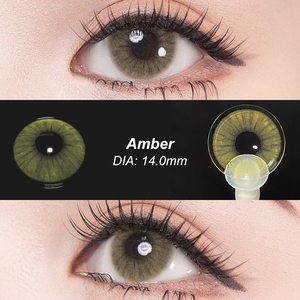
Magister Queen Hidrocor Natural Colored Cosmetic Contacts
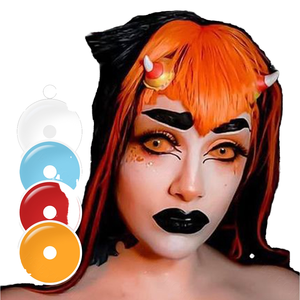
Comfortable Soft Three-Tone Colored Cosmetic Contact Lenses
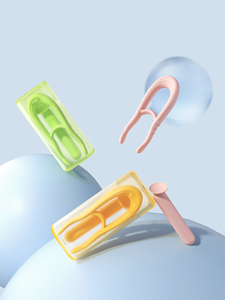
Silicone Contact Lens Insertion & Removal Suction Kit
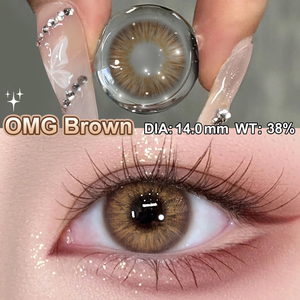
Soft Prescription Colored Cosmetic Lenses 14.5mm
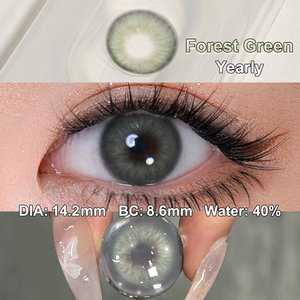
Freshgo 14.20mm Soft Black Limbal Enhancing Lenses
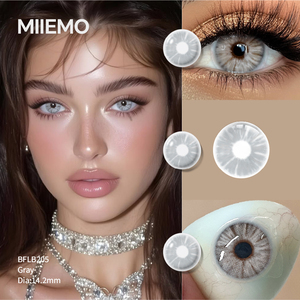
Dream Color Three Tone HEMA Korean-Design Lenses
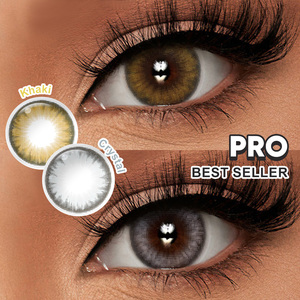
Freshgo Pro Natural Hazel Optical Blend Cosmetic Contacts
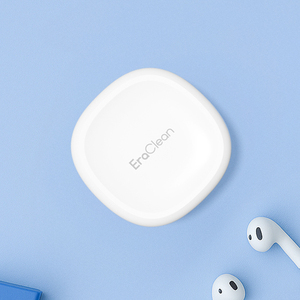
105KHz Ultrasonic Lens Cleaner with UVC Deep Sanitization
The Japanese Color Contact Lens (Colorcon) Market Landscape
In Japan, cosmetic contact lenses ("Colorcon" / カラーコンタクトレンズ) are strictly governed as Class III Medical Devices (高度管理医療機器) under the Act on Securing Quality, Efficacy and Safety of Products Including Pharmaceuticals and Medical Devices (PMD Act / 薬機法). Sourcing compliant, commercially viable products requires deep alignment with MHLW regulations, Japanese aesthetic preferences, and flawless micro-manufacturing.
Share of daily disposables in Japan's total retail colorcon market.
Shift toward subtle iris enhancement over exaggerated circle enlargement.
Zero monomer leaching via complete sandwich polymer encapsulation.
Automated optical inspection for bubble, edge burr, and print center errors.
The Japanese cosmetic contact lens sector has undergone a profound structural transformation since the Ministry of Health, Labour and Welfare (MHLW) reclassified non-corrective cosmetic lenses as Class III Medical Devices in November 2009. Historically viewed as trendy youth accessories distributed primarily through unregulated teen boutiques in Shibuya and Harajuku, colored contacts are now regulated with the exact same stringent biomechanical and toxicological standards applied to prescription corrective lenses.
For international brand developers, Japanese licensed Marketing Authorization Holders (MAH / 製造販売業者), and retail buyers sourcing from qualified contract manufacturers, commercial success requires navigating a complex intersection of biomedical safety standards, JIS T 7333 compliant optical parameters, and fast-evolving domestic cosmetic trends. The modern Japanese consumer does not merely inspect the aesthetic hue of a lens; they rigorously verify water content stability, edge oxygen permeability (Dk/t), UV-A/UV-B radiation interception ratios, and mechanical pigment isolation to prevent keratitis and corneal hypoxia.
Critical Sourcing Benchmark for Japan Importers
Japanese customs clearance and regional Prefectural inspection agencies prohibit the commercial import of contact lenses that rely on surface pad-printing where pigments are exposed directly to the palpebral conjunctiva or corneal epithelium. Suppliers targeting Japan must furnish documented cross-sectional electron microscopy (SEM) demonstrating hermetic encapsulation within the HEMA or Silicone Hydrogel matrix.
Channel-Specific Utilization Profiles Across Japan
Formulating winning private-label product lines requires tailoring base curves, graphic diameters, and tonal layer densities to distinct Japanese demographic distribution channels.
Office & Campus "Bare-Faced" Natural
Targeted at conservative corporate work environments and universities across Tokyo and Osaka where noticeable cosmetic alteration is discouraged. Known locally as "Barely-There Natural" (裸眼風 / バレないカラコン).
- G.DIA: 12.8mm to 13.2mm (Tight dot matrix)
- Tonal Palette: Chiffon Brown, Sheer Olive, Sepia
- Wear Cycle: 1-Day Daily Disposable
- Key Buyer: Drugstores (Matsumoto Kiyoshi, Welcia)
Fast-Beauty & Variety Lifestyle Retail
Formulated for trend-driven multi-brand variety retailers such as Don Quijote (ドン・キホーテ), @cosme Tokyo, and Loft. Emphasizes luminous, multi-dimensional reflections referred to as "Churu-churu" (ちゅるん感).
- G.DIA: 13.4mm to 13.8mm (Soft shaded rim)
- Tonal Palette: Honey Hazel, Milk Tea Beige, Ash Pearl
- Wear Cycle: 1-Day & 1-Month Blisters (2-pack/10-pack)
- Key Buyer: Mass cosmetic wholesalers & boutiques
Subculture, Harajuku & Cosplay
Serves the massive Japanese anime convention, theater, visual-kei, and Harajuku subculture demographics requiring ultra-high opacity pigmentation capable of completely masking dark Asian irises in flash photography.
- G.DIA: 14.0mm to 14.5mm (Solid outer limbal ring)
- Tonal Palette: Crimson Red, Solid Violet, Pure White
- Wear Cycle: 1-Day sterile blister pairs
- Key Buyer: Specialty anime shops, Animate, Rakuten
Clinical Optical & Presbyopia Lines
Expanding ophthalmic retail clinics (Aigan, Megane Ichiba, Paris Miki) seeking to retain mature consumers through colored multifocal and toric astigmatism cosmetic solutions without compromising clinical eye health.
- Optical Design: Center-Near Aspheric Multifocal
- Cylinder Power: Toric options (-0.75D to -1.75D)
- Wear Cycle: Monthly or Daily Disposables
- Key Buyer: Optometric retail chains & eye clinics
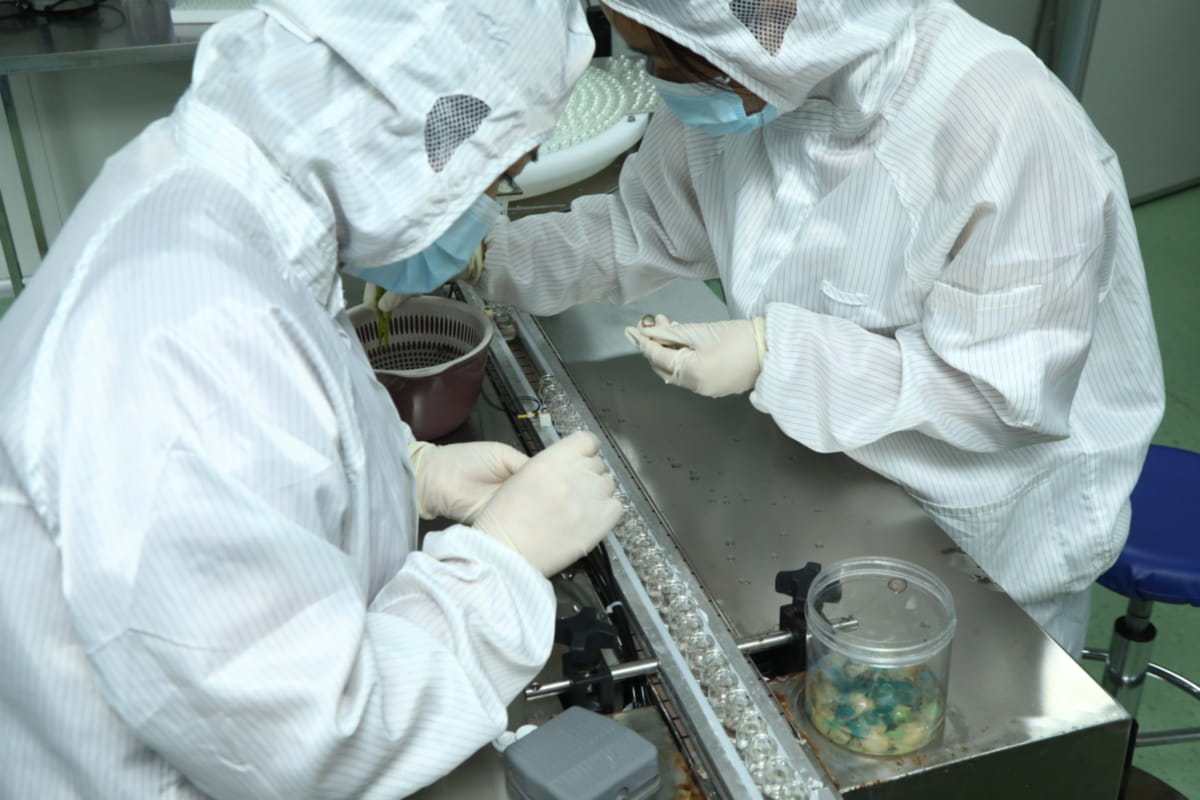
The "Naked Iris" Revolution and Silicone Hydrogel Transition
The Japanese market has decisively pivoted away from the early-2000s "Gyaru" aesthetic, which relied heavily on exaggerated 14.5mm diameters and thick, solid black outer rings. Today, the Japanese consumer base—spanning teens to professional women in their 40s—prioritizes three non-negotiable engineering benchmarks:
1. Micro-Dot Radial Printing (0.03mm dot pitch): Domestic buyers evaluate lenses under high magnification to confirm that the transition between the pupil opening and the limbal zone mimics real trabecular iris fiber patterns. Sharp pigment boundaries are considered unmarketable.
2. The Shift to High Oxygen Transmissibility (Dk/t > 80): While traditional Poly-HEMA (water content 38%) remains a cost-effective choice with low dehydration rates, the market for premium daily color lenses is shifting to Silicone Hydrogel (SiHy). This addresses chronic digital eye strain and dry eye symptoms common among Japan's urban office workforce.
- UV-A / UV-B Shielding Incorporation of benzotriazole UV blockers to intercept >85% UV-A and >98% UV-B.
- Moisture Locking Agents MPC (2-methacryloyloxyethyl phosphorylcholine) coating to resist protein adhesion.
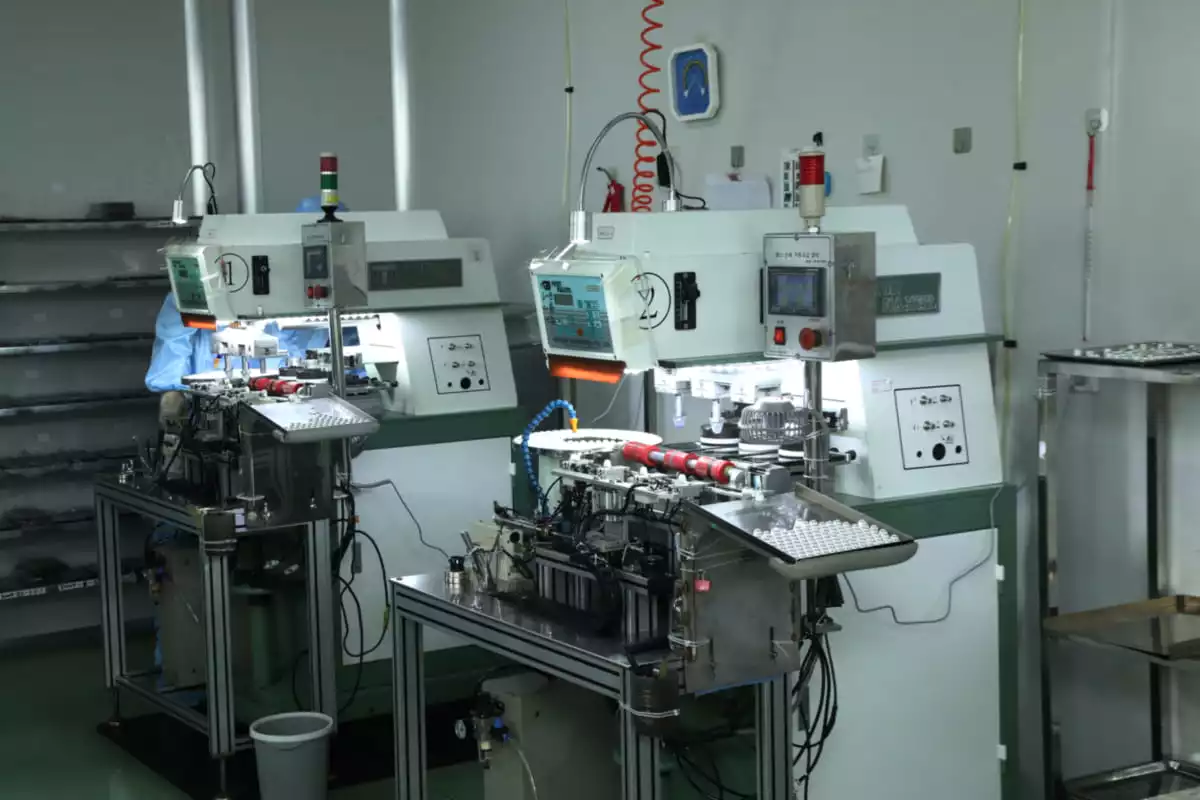
From Cast-Molding to Zero-Defect Inspection: The Japanese Quality Standard
Japanese procurement auditors maintain what is globally recognized as the most exacting Quality Acceptance Limit (AQL) in the optical device sector. While standard export destinations accept AQL 1.0 or 1.5 for non-critical cosmetic defects, Japanese importers enforce AQL 0.25 to 0.40, with zero tolerance for package seal delamination or missing lot serialization.
Every blister batch exported to Japan must undergo rigorous automated validation: ensuring the lens edges are polished without micro-notches that could cause micro-abrasions to the delicate corneal epithelium. Furthermore, the print center deviation must remain within an exacting tolerance of ±0.05mm to eliminate asymmetric pupil occlusion during natural rapid eye movements (saccades).
- Cast-Molded Centration Double-mold precision preventing geometric lens curvature distortion.
- Hermetic Blister Integrity Medical-grade polypropylene blisters tested under vacuum decay for micro-leakage.
Standard Export vs. Japan PMDA-Targeted Specifications
A granular side-by-side technical breakdown illustrating the stringent material, geometric, and regulatory adaptations required for the Japanese cosmetic lens ecosystem.
| Technical Parameter | Generic Global Export Standard | Japan PMDA / Market Target Standard | Impact on Market Acceptance |
|---|---|---|---|
| Pigment Isolation Architecture | Surface pad printing or semi-coated film | Sandwich Technology (Fully Encapsulated) | Zero corneal dye contact; passes mandatory rub and solvent extraction testing. |
| Graphic Diameter (G.DIA) | 13.6mm – 14.2mm (Heavy enlarging) | 12.8mm – 13.4mm (Micro-dot natural) | Aligns with contemporary Japanese "Bare-iris" (裸眼風) and "Churu-churu" aesthetic. |
| Base Curve (BC) Matrix | 8.5mm – 8.8mm (Broad tolerance) | 8.60mm / 8.70mm (Optimized for Asian Cornea) | Prevents lens decentration, excessive movement, and corneal staining on blink. |
| Water Content Profile | High water (58%–69%) or variable | Low Water 38% (HEMA) or 48% (Silicone Hydrogel) | Prevents lens from drawing natural tear film from the eye in low-humidity office air. |
| UV Radiation Protection | Optional / Not standard | Class II UV Blocker (UV-A >85%, UV-B >98%) | Standard domestic expectation across Japanese variety store retail chains. |
| Defect Acceptance Limit (AQL) | AQL 1.0 – 1.5 standard | AQL 0.25 – 0.40 Zero-Tolerance Standard | Eliminates costly customs recalls and consumer claims under Japanese liability law. |
| Primary Packaging Unit | Glass vials (traditional) or generic blister | Ultra-thin PP Blister with Japanese Medical Labeling | Complies with Japanese recycling laws, Japanese text requirements, and batch tracking. |
Why Leading Japanese Importers Partner with Velalens
Combining world-class cleanroom automation, full documentation readiness for PMDA registration, and agile private-label custom production for fast market launches.
Full Technical Dossier & STED Support
We furnish complete Summary Technical Documentation (STED), biocompatibility reports (ISO 10993 cytotoxicity, ocular irritation, systemic toxicity), and stability aging data required by your Japanese Marketing Authorization Holder (MAH) for rapid PMDA approval.
Proprietary Sandwich Color Locking
Our cast-molding system embeds color pigments entirely between two layers of optical-grade hydrogel monomer before thermal polymerization. The smooth anterior and posterior surfaces exhibit zero pigment extrusion, zero surface roughness, and minimal friction during blinking.
Custom Japanese Blister & Outer Packaging
We offer turnkey Japanese private-label solutions: high-barrier foil blisters, precision saline filling with hyaluronic acid moisture agents, Japanese recycling mark integration (プラ / 紙), JIS-standard Barcodes (JAN/EAN-13), and Braille embossing on outer cartons.
Frequently Asked Questions by Japanese Sourcing Teams
Direct, technically verified answers addressing regulatory licensing, quality audits, packaging legalities, and logistics for Japanese optical buyers.
Q What is the regulatory pathway to register cosmetic lenses with Japan's PMDA?
Cosmetic lenses are classified as Class III Medical Devices. An overseas factory must obtain Foreign Manufacturer Accreditation (外国製造業者認定登録) issued by the MHLW. Furthermore, the domestic Japanese importer or brand owner must hold a Class I Medical Device Marketing License (第一種医療機器製造販売業許可) and appoint a General Marketing Compliance Officer to submit the Shonin (承認) pre-market approval application.
Q How do you verify that pigments do not leach into the eye under JIS standards?
We perform rigorous chemical leaching and pigment isolation testing in strict accordance with JIS T 7333 and ISO 11987 standards. Our lenses undergo continuous ultrasonic extraction in acetone, ethanol, and saline solutions followed by spectrophotometric analysis to guarantee zero pigment release. Additionally, physical cotton swab rubbing tests demonstrate that color never contacts ocular tissues.
Q Can you provide customized Japanese packaging with JAN codes and legal text?
Yes. We provide complete OEM packaging compliant with the PMD Act (薬機法). This includes customized blister foil lidding with Japanese regulatory markings, lot numbers, expiration dates, sterilis status, and primary outer carton design featuring Japanese JAN-13 barcodes, plastic/paper recycling symbols (プラ/紙マーク), and mandatory Japanese product insert leaflets (添付文書).
Q Why do Japanese buyers predominantly select 38% water content Poly-HEMA?
While 55% or 58% water content lenses feel initially soft upon insertion, high-water hydrogels draw substantial moisture from the wearer's precorneal tear film to maintain hydration, exacerbating dry eye symptoms in air-conditioned offices. Low-water 38% HEMA lenses maintain structural and dimensional equilibrium throughout 12-hour wear cycles, making them the preferred choice for daily comfort in Japan.
Q What are your minimum order quantities (MOQ) for custom Japanese OEM lines?
For existing stock designs relabeled with private Japanese branding (blister and outer box), our MOQ starts at approximately 300 to 500 pairs per SKU/colorway. For custom graphic diameter patterns or bespoke color formulations developed exclusively for your brand, initial production batches typically start at 3,000 to 5,000 pairs to offset mold tooling, color separation, and optical plate engraving setups.
Q How do you handle factory audits and batch inspection certificates (COA)?
We welcome third-party audits or designated Japanese MAH quality auditors at our manufacturing facility. Every export shipment is accompanied by a comprehensive Certificate of Analysis (COA) specifying base curve, diameter, center thickness, water content, diopter power accuracy, and bio-burden sterilization test reports from automated autoclave cycles (121°C for 20 minutes) with 100% batch traceability.
Expand Your Japanese Colorcon Brand with Velalens
Connect with our technical export division to request our complete PMDA compliance specifications, Japanese market color trend catalog, and certified sterile production samples.