Turnkey Contact Lens Manufacturing, Moulding & Packaging Portfolio
Precision-engineered optical cast-moulds, automated secondary cartoning systems, and certified silicone-hydrogel cosmetic contact lenses custom-engineered for optical dispensary chains across Vienna, Graz, Linz, and Salzburg.
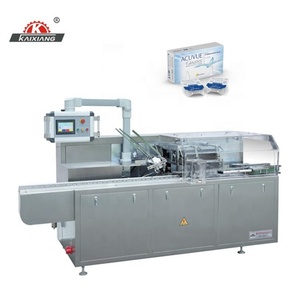
Automatic Eye Contact Lenses Cartoning Machine Small Box Sealing Packaging Machine
Continuous-motion pharmaceutical cartoning systems integrated with Austrian PZN coding, automated package leaflet insertion, and tamper-evident sealing.
Technical Specs →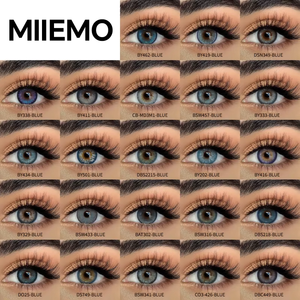
OEM Private Label Three Tone Colored Contact Lenses 38% Water Content Custom Logo Blister Pack Soft Comfortable Beauty
Sandwich-encapsulated pigment deposition matrix guaranteeing zero epithelial dye exposure, ideal for selective beauty retailers and ophthalmic channels.
Technical Specs →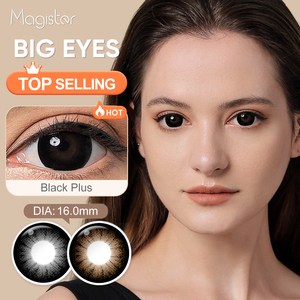
Free HOT Magister 16mm Colored Contacts Eye Contact Lenses Contact Lens Natural Soft Lens Wholesale Brown Lentes De Contacto
Enlarged graphic diameter lenses engineered using biometric limbal ring geometry, balancing cosmetic saturation with high oxygen transmissibility (Dk/t).
Technical Specs →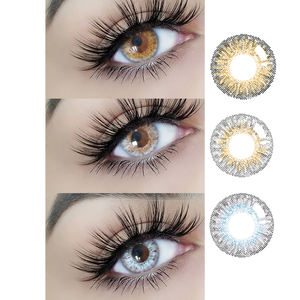
Private Label Customized Logo Brand Meetone 3 Tone Colored Contacts Paper Box Wholesale Color Eye Soft Contact Lenses Packaging
FSC-certified rigid cosmetic packaging featuring German/English bilingual regulatory text layouts, compliant with EU single-use packaging reduction frameworks.
Technical Specs →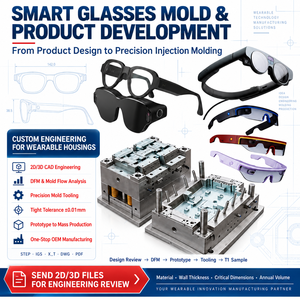
High-Precision Injection Mould for Optical Lenses Custom Multi-cavity VR/AR Glasses Equipment Mold Design Injection Molding
Multi-cavity hardened steel tooling manufactured via single-point diamond turning (SPDT), creating mirror-smooth optical finishes for hydrogel casting.
Technical Specs →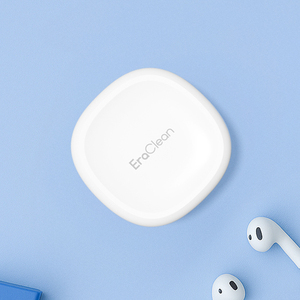
105KHz High Frequency Ultrasonic Cleaner for Ortho-K Contact Lenses Cleaning Machine 800mAh Magnetic Charging with UVC Light
Medical accessory designed for rigid gas permeable (RGP) and Ortho-K lenses, offering 105kHz cavitational cleaning combined with bactericidal UVC disinfection.
Technical Specs →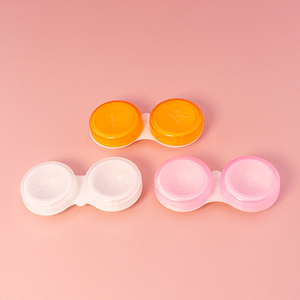
Colorful Cheap Contact Lens PP Plastic Package Colored Eye Wear Lens Contact Lenses Packaging Box
Medical-grade autoclavable polypropylene storage cases designed for daily and monthly wearer maintenance routines, strictly free from phthalates and BPA.
Technical Specs →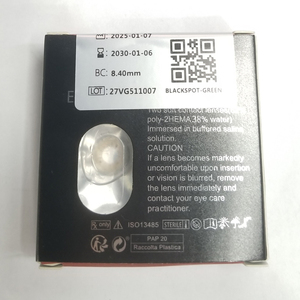
Eyeshare Wholesale Personal Brand Lentes De Contacto Paper Box Free Design Custom Eye Lens Packing Box Colored Contact Lenses
Compact luxury secondary retail packaging featuring embossed hot-stamping, internal sterile blister dividers, and pre-printed European barcode systems.
Technical Specs →The Rigorous Engineering Process Behind Class IIa/IIb Medical Contact Lenses
Developing contact lenses for sophisticated healthcare markets such as the Republic of Austria requires strict adherence to standardized biomedical protocols, precise material formulation, and traceable production lines. As a specialized contract manufacturer and exporter, our engineering lifecycle bridges the transition from monomer formulation to sterile retail-ready blisters, aligned with both Austrian BASG (Bundesamt für Sicherheit im Gesundheitswesen) market safety guidelines and EU Medical Device Regulation (EU) 2017/745 (MDR).
The product development process begins with advanced optical computational modeling. Using proprietary CAD systems, our optical designers configure the posterior base curves (ranging from 8.5mm to 8.7mm) and anterior aspheric zones to ensure optimal tear-film dynamics and post-blink centration across Caucasian corneal topography. Once the geometry is finalized, ultra-precision computer numerical control (CNC) lathes and Single-Point Diamond Turning (SPDT) manufacture the multi-cavity injection moulds from optical-grade steel and medical brass. These master moulds maintain a dimensional surface roughness under Ra 5 nanometers, ensuring the cast hydrogel emerges without optical aberrations or irregular peripheral edges.
In our ISO Class 7 (Class 10,000) cleanroom polymerization suites, monomer blends—ranging from conventional Poly-HEMA (poly-2-hydroxyethyl methacrylate) hydrogels with 38% to 55% water content to next-generation Fluoro-Silicone Hydrogels—are metered into the single-use female moulds via precision automated micro-dispensers. When producing cosmetic contact lenses, the color layer is introduced via pad printing with medical-grade organic dyes before the secondary polymer layer is added. This full "sandwich" encapsulation seals the color matrix completely inside the lens, preventing pigment migration, irritation, or contact with the corneal epithelium.
Post-polymerization, lenses undergo controlled thermal de-moulding, followed by automated multi-stage ultrasonic hydration cycles in purified physiological saline solution. Every finished unit undergoes inline automated optical inspection (AOI) utilizing high-resolution telecentric lenses to screen 100% of lenses for edge splits, surface bubbles, centration variance, and particulate inclusions. Following secondary packaging into peelable multi-layer foil blister packs or glass vials, terminal sterilization is executed in industrial steam autoclaves at 121°C for 20 minutes, backed by biological indicator spore testing to ensure an absolute Sterility Assurance Level (SAL) of 10-6.
Localized Application Scenarios in Austria
Designing private-label lines requires addressing the specific physical environments, lifestyle activities, and consumer expectations found across the Austrian market.
Alpine & Winter Sports Optics
Austrian outdoor enthusiasts in alpine ski regions like Tyrol and Vorarlberg encounter low relative humidity, thin mountain air, and intense UV reflectance. Our development team formulates silicone-hydrogel lenses with Class 1 UV blocking (absorbing >90% UVA and >99% UVB) combined with high oxygen transmissibility (Dk/t > 100) to mitigate corneal hypoxia and drying during active high-altitude recreation.
High-End Urban Optical Boutiques
In metropolitan hubs such as Vienna (Innere Stadt, Neubau) and Salzburg, optical retailers emphasize boutique personalization. We deliver small-batch, private-label cosmetic series packaged in FSC-certified, minimalist boxes that align with premium German-language consumer aesthetics, giving independent opticians exclusivity over their retail SKU portfolio.
Corporate Ergonomics & Digital Lifestyle
Addressing prolonged digital screen usage within corporate office environments across Linz and Graz, our formulation incorporates moisture-retentive wetting agents such as Hyaluronic Acid (HA) directly into the packaging blister saline. This lowers friction coefficients during low-blink blink rates and prevents end-of-day discomfort.
Strategic Market Trends in Austria's Vision Care Sector
Austria's vision care market is distinguished by strict regulatory oversight, eco-conscious consumer behavior, and a strong preference for high-quality, professional optical fittings over unregulated discounters. B2B brand owners, pharmaceutical wholesalers, and private label distributors should navigate these strategic dynamics:
1. Acceleration Toward Daily Disposables: Mirroring broader DACH region trends, Austrian wearers are moving rapidly toward daily single-use modalities. Consumers prioritize ocular hygiene and zero-maintenance convenience. Our manufacturing infrastructure supports large-scale daily blister line packaging, enabling private labels to introduce high-volume daily hydrogel and silicone-hydrogel SKUs at competitive margins.
2. Eco-Packaging & Environmental Sustainability: Austrian consumers evaluate product lifecycles closely. Our factory has developed reduced-plastic polypropylene blister packaging alongside compact secondary paper boxes made with post-consumer recycled fiber and soy-based inks. We also offer automated small-box cartoning machinery equipped to run lighter caliper cardstocks without jamming.
3. Presbyopia Demand in an Aging Population: With changing demographics in Austria, there is rising demand for multifocal contact lenses that maintain clear near, intermediate, and distance vision. Our OEM development line includes proprietary concentric aspheric center-near and center-distance multifocal designs, allowing brands to address presbyopic needs across cosmetic and clear lens series.
4. Tightened Scrutiny on Cosmetic Lenses: Regulatory enforcement by European bodies requires that non-corrective (plano) cosmetic contact lenses adhere to the same medical device requirements as prescription lenses. Buyers require fully compliant technical files, documented biocompatibility, and clearly translated usage guides to avoid customs delays at Austrian points of entry.
Procurement & Importation FAQs
Common regulatory, logistical, and technical questions asked by Austrian procurement directors, importers, and private brand founders.
Q1: How does your manufacturing align with EU MDR 2017/745 for Austrian customs clearance?
All our export-ready contact lens series are manufactured in ISO 13485:2016 audited facilities. We provide comprehensive Technical Files, Clinical Evaluation Reports (CER), Declaration of Conformity, full Biocompatibility Studies (ISO 10993 cytotoxicity, ocular irritation, and sensitization), and UDI-compliant GS1 barcoding ready for verification by Austrian customs authorities.
Q2: Can secondary packaging and package leaflets (Gebrauchsanweisung) be delivered in German?
Yes. Austrian medical regulations require patient information materials and box warnings to be printed in German. Our graphics and compliance team works with your authorized German translations to integrate lot codes, expiry indicators, CE notified body markings, and correct storage icons directly into your packaging.
Q3: What are the Minimum Order Quantities (MOQ) for new private label launches?
For existing catalog designs, private-label packaging starts at approximately 300 to 500 pairs per color/SKU. For bespoke custom pattern developments requiring new printing plates or tailored base curve toolings, typical pilot minimums start at 1,000 to 3,000 units per variant.
Q4: How do you manage lead times and cold-chain/temperature shipping into Austria?
From production sign-off, mass manufacturing generally takes 4 to 6 weeks. Shipments to Vienna International Airport (VIE) via air courier take 4 to 7 business days, with thermal buffer packaging provided to protect the hydrogel blisters against freezing temperatures during winter transport.
Why Global Optical Brands Choose Our Contract Manufacturing Facilities
Building a defensible optical brand requires a manufacturing partner that combines engineering rigor with scalable supply stability. Our factory has invested heavily across the contact lens production cycle to deliver consistent optical performance for demanding markets like Austria:
Sub-Micron Tooling In-House: Unlike assemblers who outsource optical mould production, we operate an in-house precision tooling suite equipped with single-point diamond turning machines. We cut master inserts with optical tolerances under ±0.002mm, ensuring base curve consistency, crisp edge profiles, and zero mould-wobble during casting.
Sandwich Encapsulation Safety: Our colored contact lenses use a validated three-layer polymer casting process. The pigments are mechanically locked within hydrogel polymer, preventing any dye from leaching or touching sensitive corneal tissue—a major quality requirement for Austrian ophthalmologists.
Flexible Automation Infrastructure: From automated small-box cartoning to blister packaging systems, our secondary packaging lines adjust quickly across varied SKU volumes. This flexibility helps our private label clients scale up order quantities cleanly as retail distribution grows.
Transparent Batch Documentation: Every export consignment includes a dedicated Certificate of Analysis (CoA) recording measured optical power, base curve, center thickness, water content, and bio-burden autoclave test results, ensuring straightforward traceability for European quality audits.
Launch Your Compliant Contact Lens Line for the Austrian Market
Connect with our technical optical engineering and regulatory export team to receive detailed parameter sheets, physical sampling kits, and transparent OEM price lists tailored to your brand goals.
Get Catalog