Engineered Contact Lenses & Packaging Systems for Commercial Scale
Verified cleanroom-manufactured hydrogel solutions, specialized packaging enclosures, and sterile storage kits optimized for distribution chains throughout Western Japan.
Localized Application Scenarios in the Osaka Optical Ecosystem
Strategic deployment of specialized colored contact lens packaging formats across Osaka's primary retail, clinical, and boutique lifestyle sectors.
Shinsaibashi & Umeda Cosmeceutical Retail
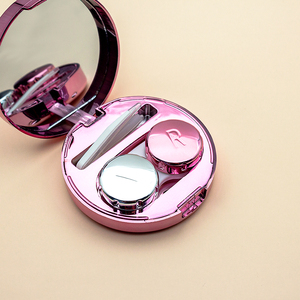
In high-density retail corridors like Shinsaibashi-suji and Umeda underground arcades, shelf appeal dictates turnover. Lenses packaged in high-clarity PP thermoformed blisters within holographic, foil-stamped multi-packs give retail buyers immediate visual differentiation. The rigid exterior preserves structural integrity in tight vertical merchandising display fixtures common in Matsumoto Kiyoshi and Don Quijote megastores.
Nipponbashi (Den Den Town) Pop-Culture Hub
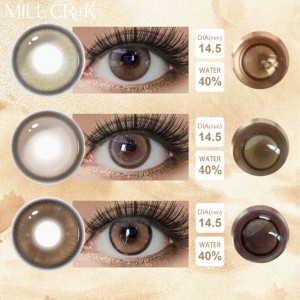
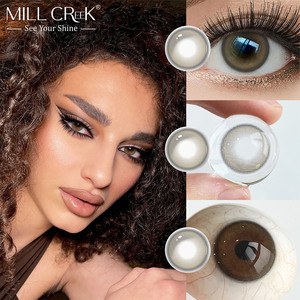
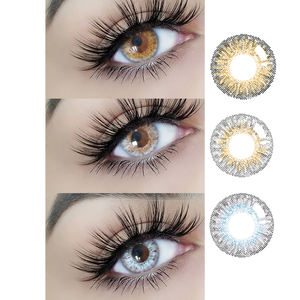
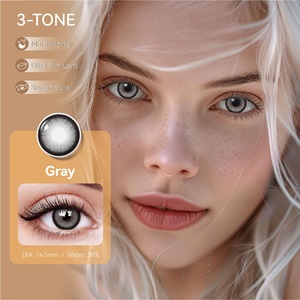
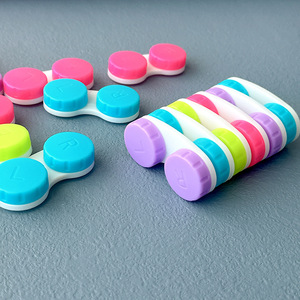
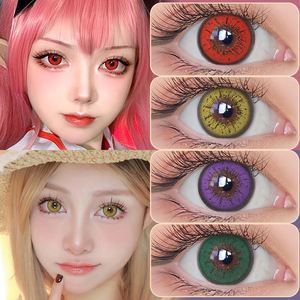
Serving Osaka's premier gaming, anime, and cosplay epicenters, product lines require hyper-vivid, high-opacity colors like the Lalens Cyber Grey and Flame Deep Color series. Packaging systems for this demographic demand collector-grade slipcases, QR-embedded verification badges guaranteeing authenticity, and leak-proof screw-cap vial formats for extended multi-session handling during regional convention circuits.
Kansai Direct-to-Consumer (D2C) Fulfillment
E-commerce operations operating out of distribution centers across Osaka Bay logistics parks depend on ultra-slim, letterbox-friendly outer boxes. Our engineered 10-lens and 30-lens mailer cartons withstand domestic transit stress under Japan Post Yu-Packet and Kuroneko Yamato delivery grids without crushing, maintaining sterility seals and reducing last-mile shipping charges significantly.
Regulatory Shifts and Packaging Material Engineering in Osaka's Optical Sector
As the second-largest economic hub in Japan, the Osaka metropolitan district serves as a primary gateway for imported medical devices and consumer aesthetics across Western Japan. Under Japan's Pharmaceuticals and Medical Devices Agency (PMDA) regulatory mandate, cosmetic colored contact lenses are classified strictly as Class III Medical Devices. This classification establishes intense scrutiny over not merely the hydrogel matrix, but equally the physicochemical attributes of the primary packaging.
Historically, the Japanese market accepted standard borosilicate glass vials with crimped aluminum caps for longer-duration wear lenses (monthly to annual cycles). However, logistics efficiencies and clinical handling mandates throughout Osaka ophthalmic dispensaries have driven a decisive transformation toward single-dose polypropylene (PP) blister trays sealed with multi-layer foil lidding. The primary concern is long-term extractable and leachable (E&L) compounds: monomers, photoinitiators, or plasticizers migrating from the blister vessel into the buffered saline medium over a standard 3-to-5-year shelf life. Our manufacturing plant mitigates this through medical-grade, virgin polyolefin resins processed in ISO Class 7 cleanrooms, ensuring zero chemical leachates interfere with corneal biological structures.
Furthermore, consumer perception within Kansai's metropolitan demographics is accelerating an ecological transition. Sourcing managers representing regional optical chains now require certified Forest Stewardship Council (FSC) paperboards, bio-degradable soy ink labeling, and reduced plastic wall thicknesses on blister cavities without sacrificing the moisture-vapor transmission rate (MVTR). Preserving the osmotic balance of the lens packaging solution is vital: minor water vapor loss causes tonicity variations in the saline solution, precipitating lens dehydration, diameter shrinkage, and steep base-curve deformation that leads to wearer irritation upon initial ocular insertion.
Frequently Asked Questions: Sourcing for the Osaka Market
Technical, logistical, and statutory answers addressing direct cross-border supply chain operations into the Kansai region.
How do your packaging lines comply with PMDA Class III sterilization requirements?
All finished blister packages undergo terminal steam autoclave sterilization at validated temperatures (typically 121°C for 20 minutes) inside cleanroom chambers. Our multi-laminate aluminum lidding film uses medical-grade hot-melt adhesive resins proven to prevent micro-channel leakages or pinhole formation during cyclical pressure differentials, maintaining absolute sterility per ISO 11137 standards throughout export transit.
Can you support custom Japanese typography, JAN Barcodes, and legal labeling?
Yes. Our in-house pre-press structural team provides complete localization assistance for outer secondary boxes and blister foil under-printing. This includes exact placement of mandatory Japanese regulatory data: Marketing Authorization Holder (MAH) details, Lot numbering, Expiry dates (YYYY/MM), Base Curve (BC), Diameter (DIA), and high-resolution Japanese Article Number (JAN) symbology.
What is the minimum order quantity (MOQ) for custom-printed packaging runs?
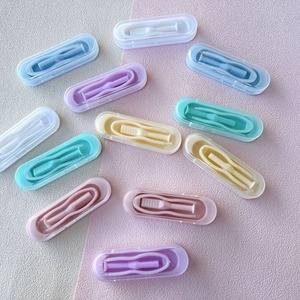
For stock lens series packaged in brand-specific customized private label paper cartons with standard blisters, production batches start at approximately 300 pairs per colorway. Fully bespoke packaging architectures (unique blister geometries, specialty foils, soft-touch matte lamination, customized travel kit ensembles) generally scale at 1,000 units per SKU to optimize rotogravure and offset plate costs.
What shipping timelines apply for sea freight arriving at the Port of Osaka?
Following order inspection and terminal sterilization release, air express consignments to Kansai International Airport (KIX) clear within 3 to 5 business days. Full container load (FCL) and less-than-container load (LCL) shipments bound for the Port of Osaka transit within 7 to 10 days, accompanied by complete bills of lading, certificates of analysis (CoA), and sanitization logs for rapid customs clearance.
Velalens Engineering Advantages: Why Global & Osaka Brands Choose Us
Precision-led manufacturing infrastructure ensuring maximum optical clarity, physiological safety, and flawless packaging integrity.
Sandwich Encapsulation
Our cast-molding line embeds all color pigment layers securely between two clear layers of HEMA polymer matrix. At no point do cosmetic pigments contact the ocular surface or inner eyelids, eliminating dye leaching risks and abrasion issues permanently.
Automated Vision QC
100% of manufactured units undergo high-speed digital AOI (Automated Optical Inspection) systems. Sub-pixel cameras scan for microscopic edge burrs, center pigment alignment tolerances, surface debris, and seal integrity before lot release.
Full-Cycle Replacement Range
Versatility across daily disposables, monthly replacement series, half-year options, and yearly cosmetic solutions. We manufacture hydrogel and silicone-hydrogel materials matching water content parameters between 38% and 55% seamlessly.
Comprehensive Dossiers
Every SKU batch is backed by robust technical documentation, biocompatibility testing reports (cytotoxicity, systemic toxicity, ocular irritation), and stability data supporting regulatory filings with the US FDA, EU CE (MDR), and Japan PMDA.
Ready to Scale Your Contact Lens Line in the Osaka Market?
Consult with our biomedical packaging engineers and OEM specialists today. Receive tailored specification sheets, material certificates, and physical prototype sample kits delivered directly to your corporate facility.
Inquire Now