Engineered Dark Brown & Specialty Cosmetic Contact Lenses
Direct-from-factory production batch series configured for European ocular tolerance, DIN EN ISO 18369 specifications, and German consumer iris tones.
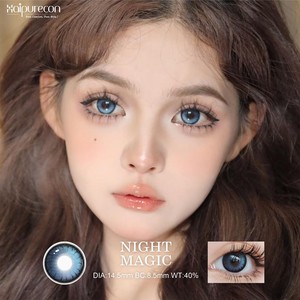
Haipurecon Soft Natural Colored Cosmetic Lenses
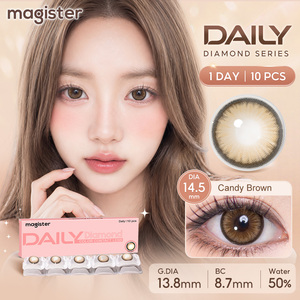
Natural Colored Daily Soft Contact Lenses (50% Water)
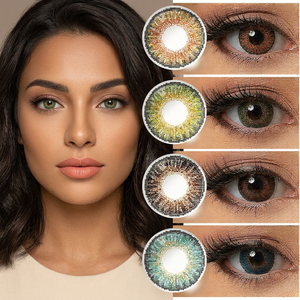
Natural Colored 3 Tone HEMA+NVP Soft Lenses
Rich Brown 14.5mm Soft Eye Enlargement Contacts
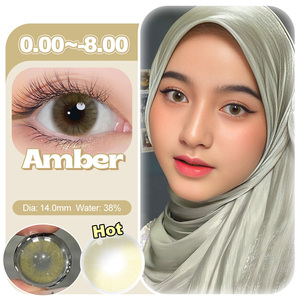
Magister Hidrocor Natural Prescription Colored Lenses
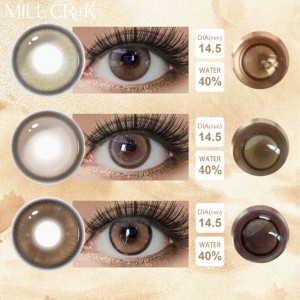
Haipurecon 14.5mm Natural Warm Brown Cosmetic Lenses
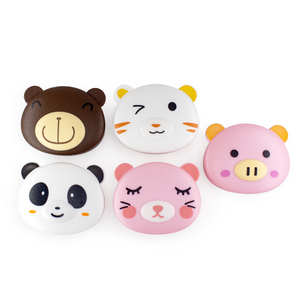
Chanxin MC-503 Protective Contact Lens Case Packaging
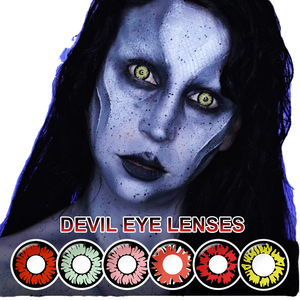
PSEYECHE Theatrical Cosplay & Sharingan Lens Series
The German Optical Landscape: Strategic Sourcing of Dark Brown Contact Lenses
A rigorous examination of consumer iris dynamics, European medical device governance, and the supply chain mechanics connecting Chinese cleanroom manufacturing to German optometric channels.
The Federal Republic of Germany represents Europe’s most demanding contact lens consumer base. Characterized by strict ocular healthcare standards overseen by the Federal Institute for Drugs and Medical Devices (Bundesinstitut für Arzneimittel und Medizinprodukte, BfArM), the German market leaves no margin for cosmetic compromise or regulatory ambiguity. Historically dominated by blue, green, and gray irises—with natural blue irises accounting for approximately 35% to 40% of native German demographics—the cosmetic lens landscape has undergone an extraordinary shift. Sourcing dark brown contact lenses from certified Chinese manufacturing plants is no longer merely a novelty import; it has evolved into a high-margin, scalable category for German optical chains, D2C beauty aggregators, and cosmeceutical retailers from Hamburg to Munich.
The optical physics governing the transformation of light blue or green ocular matrices into an authentic, velvety dark brown require a nuanced balance of pigment density, graphic diameter (G.DIA), and light absorption. Unlike Asian or Mediterranean domestic markets where dark brown lenses act as subtle enlargement enhancers on naturally dark irises, dark brown lenses engineered for Germany must overcome the "harsh iris halo" effect. When an insufficiently pigmented lens sits atop a pale blue eye, sunlight creates an unnatural, pixelated perimeter around the pupil margin. Conversely, an over-saturated, flat pigment layer creates an unnatural "zombie eye" or dead gaze that German consumers reject. Velalens Technology bridges this gap through multi-layer, biomimetic pixel gradients that encapsulate micro-fine iron oxides and organic dyes within hydrogel polymers, allowing warm mahogany, espresso, and amber striations to diffuse light organically.
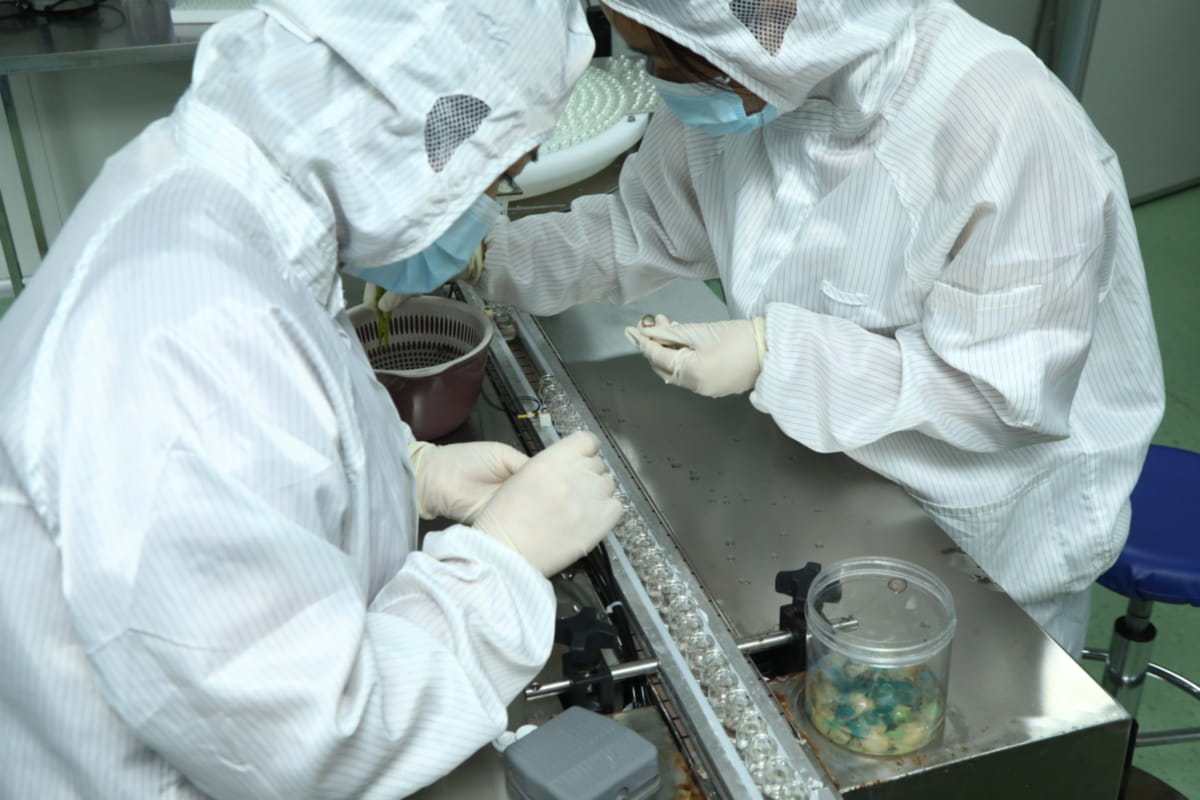
Sandwich Encapsulation: Absolute Ocular Biocompatibility
Consumer safety across Germany hinges on avoiding corneal desquamation and microbial keratitis. Cheap cosmetic lenses rely on pad-printing colors directly onto the posterior or anterior lens surface. Eyelid shear stress and corneal blinking dynamics degrade surface pigments, exposing bare pigments directly to sensitive epithelial tissues.
Velalens enforces a strict 3-Layer Sandwich Injection-Molding Process:
- Zero Surface Exposure: Pigment matrices are locked centrally between two transparent layers of medical-grade polymer. Pigment never touches the cornea or palpebral conjunctiva.
- Oxygen Diffusion Channels: High Dk/t hydrogel formulations ensure consistent oxygen flux, preventing hypoxia-induced neovascularization even across 10-hour daily wear cycles.
- Tear-Film Hydrodynamics: Cast-molded edge contours reduce mechanical displacement, allowing continuous fluid replenishment during office monitor focus.
Localized Application Scenarios Across the German Market
How distinct cultural, professional, and regional sub-segments within Germany drive B2B wholesale demand for specific dark brown lens parameters.
Corporate Elegance: The "Dezenter Look"
Within financial and industrial capitals such as Frankfurt am Main, Stuttgart, and Düsseldorf, exaggerated cosmetics are taboo. Working professionals favor our Magister Hidrocor and Haipurecon 14.2mm series. These provide a warm, deep mocha tone that blends subtly with blonde or light brunette hair without revealing a visible cosmetic lens edge in meeting rooms or under harsh daylight.
Gen-Z Social Glamour & "Clean Girl" Aesthetic
Driven by vibrant TikTok communities in Berlin, Cologne, and Leipzig, urban youth seek the "doe-eyed" aesthetic. Our Rich Brown 14.5mm series—featuring an expanded 13.8mm graphic diameter and defined chocolate limbal boundaries—delivers immediate visual enlargement while maintaining high hydration (50% water content) for extended digital screen usage and evening content creation.
Theatrical Conventions: Gamescom & DoKomi
Germany hosts Europe’s largest gaming and anime expos, including Gamescom (Cologne) and DoKomi (Düsseldorf). These mass gatherings generate massive seasonal spikes for opaque dark red, anime-accurate, and sharingan lenses. Our PSEYECHE Theatrical series offers 100% block-out saturation that completely neutralizes light German iris colors while meeting high safety criteria.
Emerging Technical Trends in German Cosmetic Optics
A data-backed comparison of polymer substrates and manufacturing technologies shaping contemporary German buyer procurement specifications.
German optical buyers are renowned for their technical rigor. Sourcing specialists evaluating Chinese manufacturers focus increasingly on monomer purity, dimensional stability under temperature fluctuations, and compliance with the stringent limits of extractables and leachables established by ISO 10993 (Biological evaluation of medical devices). Over the past three years, procurement criteria across the DACH territory (Germany, Austria, Switzerland) have shifted rapidly along three vectors:
1. The Migration Toward Co-Polymer Blends (HEMA+NVP): Traditional poly-2-hydroxyethyl methacrylate (HEMA) lenses remain reliable, cost-effective wholesale workhorses. However, dry office air caused by German radiator heating in winter accelerates tear-film evaporation. By polymerizing HEMA with N-Vinylpyrrolidone (NVP), Velalens achieves higher equilibrium water content (EWC) without compromising tensile elasticity, ensuring the lens retains its dimensional curvature (Base Curve 8.6mm) throughout a 12-hour wear period.
2. Next-Gen Silicone Hydrogel Integration: For premium German pharmacy and optometrist accounts, silicone hydrogel colored lenses have become a primary growth engine. Combining fluorosilicone macromers with hydrophilic hydrogels elevates Dk/t (oxygen transmissibility) from standard hydrogel levels (~20-25 barrers/cm) up to 80-100+ barrers/cm. This drastic increase prevents corneal swelling during high-stress lifestyle demands.
| Material Category | Water Content | Oxygen Permeability (Dk/t) | German Market Strategic Positioning | Compliance Standards |
|---|---|---|---|---|
| Standard Hydrogel (pHEMA) | 38% – 42% | 18 – 22 Dk/t | High-volume retail; yearly/half-yearly budget private labels | CE ISO 13485 / MDR Annex XVI |
| Enhanced Hydrogel (HEMA + NVP) | 50% – 55% | 28 – 35 Dk/t | Premium daily disposables; e-commerce D2C beauty brands | DIN EN ISO 18369 / ISO 10993 |
| Silicone Hydrogel (SiHy) | 45% – 48% | 85 – 110 Dk/t | Optometrist-grade monthly wear; high ocular sensitivity users | Full EU MDR Notified Body Audit Dossier |
| Theatrical Opaque Cast | 38% – 40% | 15 – 20 Dk/t | Costume, festival, and subculture wholesale supply | BfArM-compliant safety packaging |
Velalens Manufacturing Infrastructure: Built for German Scale
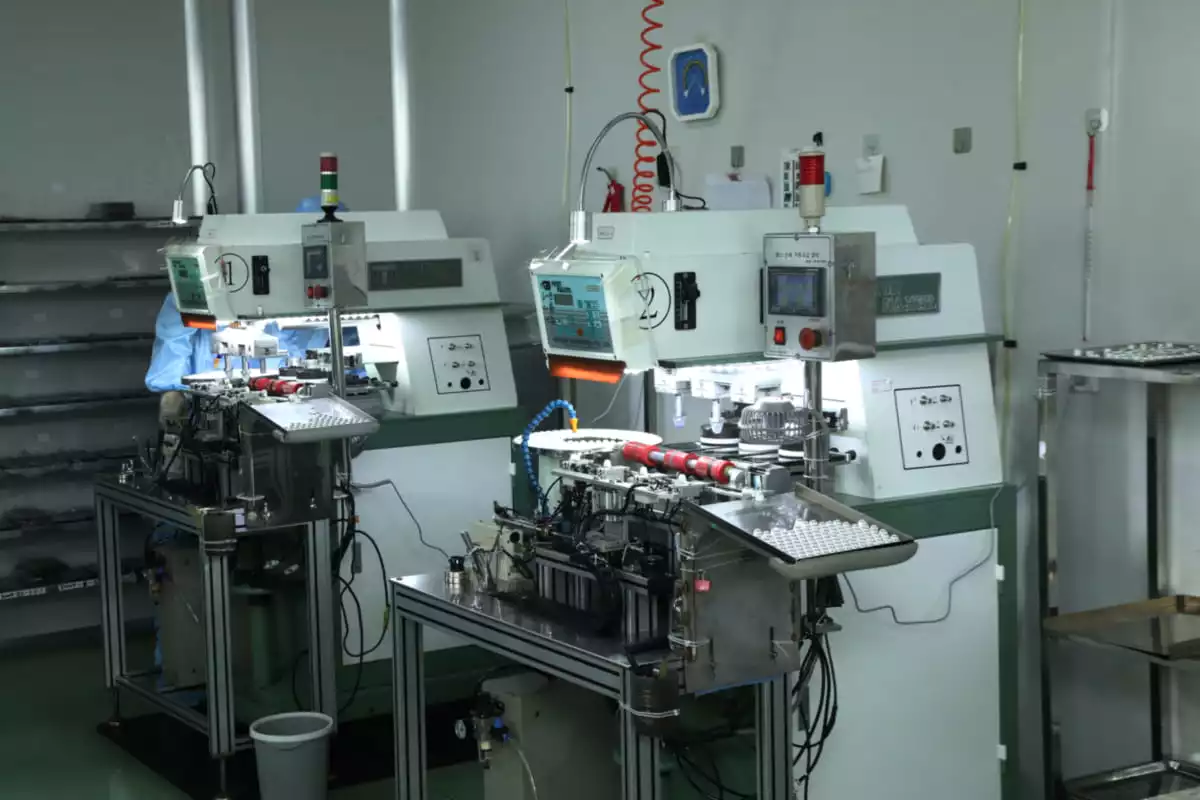
Velalens Technology operates end-to-end automated cleanroom manufacturing facilities in China designed to meet international standards. We control every critical processing node—from monomer synthesis to automated secondary packaging.
Key manufacturing capabilities for German importers:
- Automated Cast-Molding Lines: High-precision optical molds minimize peripheral edge aberration, guaranteeing repeatable Base Curve (8.5 - 8.7mm) batch stability.
- 100% Automated Optical Inspection (AOI): High-resolution optical sensors scan every single lens for edge tears, micro-bubbles, and pigment displacement before sealing.
- Bilingual Private Label Packaging: Precision thermo-sealed foil blisters and German/English regulatory carton boxes with full batch/expiry GS1 barcode integration.
Frequently Asked Questions by German Optical Sourcing Directors
Transparent technical, legal, and operational answers addressing the core concerns of German importers, brand managers, and regulatory compliance officers.
How does EU MDR 2017/745 affect non-prescription plano cosmetic lenses in Germany?
Under Annex XVI of EU MDR, plano cosmetic contact lenses are regulated as Class IIa medical devices. German customs (Zoll) and surveillance authorities strictly enforce valid CE marking from an accredited Notified Body. Velalens provides complete Technical Documentation (Dossier), sterilization validation reports (EN 556-1), biocompatibility data (ISO 10993), and declaration of conformity to facilitate direct customs entry without seizure risk.
What are the minimum order quantities (MOQ) for custom private label packaging?
For stock designs (such as our core Haipurecon, Magister, or Rich Brown formulas), private label carton box packaging begins at an accessible threshold of approximately 300 to 500 pairs per color variant. Fully custom graphic patterns or proprietary base curve tooling start at 3,000 pairs, which amortizes print plate fabrication and clinical inspection setup.
What are the lead times and shipping routes for Hamburg or Frankfurt?
In-stock catalog evaluations dispatch via air express (DHL/FedEx) within 3 to 7 business days, reaching German logistics hubs (e.g., Frankfurt Airport EDDF) within 4 to 6 transit days. Mass private label production cycles require 3 to 5 weeks. Consolidated sea freight to the Port of Hamburg typically runs 28 to 35 days, providing optimal freight margins for large bulk shipments.
Are German language instructions (Gebrauchsanweisung) mandatory on packaging?
Yes. Under § 8 of the German Medical Devices Implementation Act (MPDG), device labeling and package inserts (IFU - Instructions for Use) must be provided in German. Velalens provides comprehensive, pre-translated German regulatory artwork templates—covering wear schedules, hygiene protocols, storage temperatures (15°C–30°C), and CE symbol notation—ensuring full compliance with local retail audit requirements.
End-to-End Certified Factory Manufacturing Workflow
From initial colorimetry design to final high-pressure steam autoclave sterilization.
1. Precision Cast Molding
Optical-grade CNC metal inserts form micro-molds with surface tolerances below 0.05 microns, guaranteeing consistent sagittal depth and eliminating edge thickness variance.
2. Micro-Pixel Pad Printing
Bio-safe medical inks are deposited into the mold using high-accuracy silicone pads. The pattern is encapsulated immediately by a secondary polymer pour before thermal curing.
3. Hydration & Extraction
Xerogel lenses are hydrated in purified de-ionized water baths. Multiple cyclic flushes remove residual unreacted monomers, strictly adhering to ISO 10993 cytotoxicity parameters.
Ready to Scale Your Dark Brown Contact Lens Line in Germany?
Partner directly with a certified Chinese manufacturing facility equipped to support your private label development, regulatory compliance, and high-margin B2B wholesale distribution.