Top Sourced Contact Lenses & Premium Packaging Solutions for Hanoi Importers
Direct-from-factory cosmetic contact lenses, sterile blister packs, and branded secondary packaging optimized for retail chains in Cau Giay, Hoan Kiem, and Ba Dinh districts.
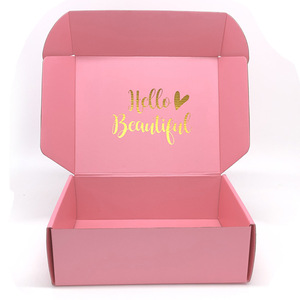
Wholesale Offset Printing Double-sided Pink Airplane Box Contact Lenses Packaging Custom Logo Hard Colorful Foldable Paper Box
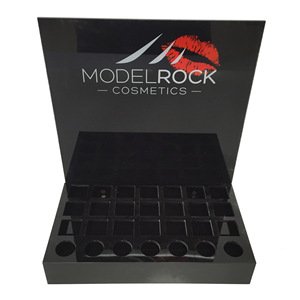
Color Contact Lenses Desktop Display Stand Acrylic Beauty Lens Package Boxes Custom Logo Contact Lens Display Racks
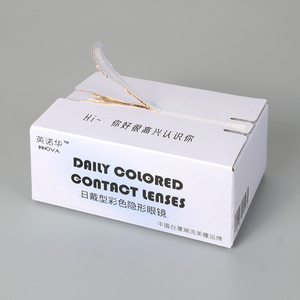
Custom Zipper Tear Carton for Colored Contact Lenses Private Logo Print Tear Strip Paper Box Cosmetic Contact Lens Packaging OEM
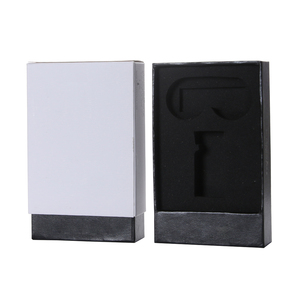
Eyelash Boxes Personalized Magnetic Drawer Packaging for Colored Contact Lenses and Beauty Gifts Custom Logo Supplier
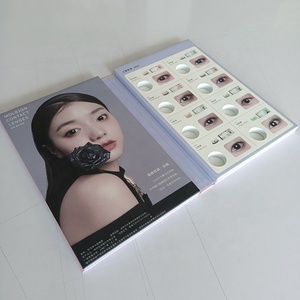
Factory Customized Luxury Eye Shadow Box Contact Lens Lenses Packaging Box Eyelash Blush Mascara Gift Box
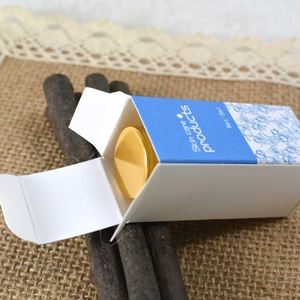
Custom Logo Folding Paper Packing Boxes for Lens Wholesale Contact Lenses Packaging Box
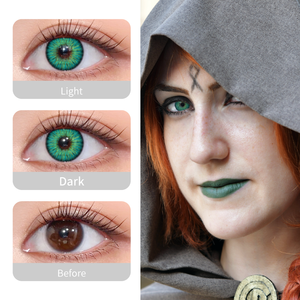
Halloween Special Effect Contact Lenses - Glowing Cat Eye Lenses Green, Breathable Soft Lenses for Horror Costume Makeup
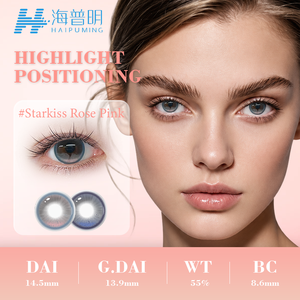
Colored Contact Lenses Daily Disposable Luminous Color Non Prescription Plano Cosmetic Circle 14.5mm HEMA Wholesale OEM
1. Executive Sourcing Brief: The Emerging Color Contact Lens Landscape in Hanoi
The cosmetic contact lens ecosystem in Northern Vietnam—centered firmly within the Hanoi metropolitan area—is undergoing a rapid structural transformation. Once dominated by small-scale, grey-market imports of cosmetic lenses from regional intermediaries, the Hanoi market has matured into an institutionalized, high-volume retail and clinical landscape. Driven by the surging beauty-conscious demographic across universities in Cau Giay, corporate office hubs in Nam Tu Liem, and upscale bridal and aesthetic boutiques in Hoan Kiem and Hai Ba Trung, demand for high-grade color contact lenses is at an all-time peak.
However, Hanoi’s local climate and distribution conditions pose unique physiological and logistical hurdles that off-the-shelf, low-tier decorative lenses fail to overcome. Hanoi experiences extreme seasonal shifts—from sweltering, high-humidity, air-conditioned summers to dry, polluted, cold winters characterized by elevated particulate levels (PM2.5). Under these ambient stresses, poorly designed lenses with high surface friction, unsealed surface pigments, or inadequate oxygen transmissibility trigger corneal hypoxia, giant papillary conjunctivitis (GPC), and severe ocular dryness among end consumers. Consequently, leading Vietnamese cosmetic brands, optical franchises along Trang Tien and Pho Hue, and high-velocity TikTok Shop sellers are bypassing local wholesalers to partner directly with tier-1 Chinese manufacturers capable of supplying certified medical-grade hydrogel and silicone hydrogel products.
B2B Market Insight: Importers in Hanoi who partner directly with FDA/CE/ISO 13485-certified Chinese manufacturers gain an immediate 35% to 50% margin advantage over competitors sourcing via secondary trading hubs, while securing legal import eligibility under Vietnam Ministry of Health (Bo Y Te) regulations.
2. Localized Hanoi Application Scenarios & Consumer Demographics
Precision marketing and SKU selection within Hanoi require an intimate understanding of micro-market consumer segments. China’s premier manufacturing infrastructure enables complete customization of optical base curves (BC), graphic diameters (G.DIA), water content ratios, and packaging configurations to match these specific Vietnamese end-user scenarios:
Hanoi Wedding & High-End Studio Makeup
Hanoi’s luxury bridal photography studios across Tay Ho and Hoan Kiem demand ultra-hydrated lenses with natural multi-tone gradients. Brides and portrait models wear contacts under intense studio lighting for 10–14 hours continuously. For this niche, our 38% water content HEMA lenses with encapsulated pigment matrices eliminate flash flare, preserve natural eye depth, and maintain tear-film stability without inducing redness or tearing.
Gen Z & Collegiate Beauty Trends (Cau Giay Hub)
Cau Giay, Dong Da, and Hai Ba Trung house over 400,000 university students driving viral beauty trends. These consumers favor subtle 13.0mm–13.4mm graphic diameters (natural iris enlargement) in Latin Gray, Choco Brown, and Olive Mist. Cost sensitivity coupled with high hygiene awareness makes our 10-lens daily disposable packs the highest-converting format across Shopee VN and TikTok Shop live broadcasts.
Corporate & Air-Conditioned Office Environments
Office executives in Keangnam Landmark, Lotte Center, and West Lake corporate towers spend 9+ hours daily in low-humidity environments staring at high-energy digital displays. Our silicone hydrogel formulations boasting high oxygen transmissibility (Dk/t > 80) prevent end-of-day eye fatigue, vascularization, and dry-eye symptoms, establishing brand loyalty for premium private labels.
3. Key Vietnamese Market Trends: The Regulatory & Consumer Evolution
Strict MOH Enforcement under Decree 98/2021/ND-CP: In recent years, the Vietnam Ministry of Health (Bo Y Te) has systematically tightened inspection protocols for medical devices. Contact lenses fall under Class B medical devices in Vietnam, necessitating formal Import Licenses and Public Declaration of Standard Applicability (Cong bo tieu chuan ap dung trang thiet bi y te loai B). Importers sourcing from informal Chinese traders face container seizures at Noi Bai Customs or Hai Phong Port. Partnering with a compliant factory that supplies authentic Certificate of Free Sale (CFS), ISO 13485 certification, and full chemical biocompatibility documentation is essential for seamless customs clearance.
Transition from Yearly Vials to Daily Blisters: While 1-year glass vial packaging once constituted over 70% of Hanoi’s sales volume due to sheer unit economy, consumer preferences have shifted decisively toward monthly and daily disposable blister packs. Discerning consumers actively seek reduced microbial risk, convenience, and superior comfort.
4. Engineering & Material Matrix: Selecting the Right Substrate for Hanoi
Choosing the correct polymer substrate dictates both consumer satisfaction and your brand's return rate. Below is the technical specification matrix engineered for subtropical distribution:
| Polymer Specification | Standard Low-Cost HEMA | Velalens Advanced Hydrogel | Clinical Silicone Hydrogel (SiHy) |
|---|---|---|---|
| Base Polymer | Standard Poly-HEMA | HEMA + NVP + Hyaluronic Acid Matrix | Filcon II 3 / Silicone-Hydrogel |
| Water Content | 42% – 58% | 38% – 42% (Anti-Dehydration) | 45% – 48% (Optimal Balance) |
| Oxygen Permeability (Dk/t) | 12 – 18 Barrers | 25 – 32 Barrers | 85 – 120 Barrers |
| Pigment Printing Process | Surface Pad Print (Unsealed) | Full Sandwich Micro-Encapsulation | Dual-Surface Laser Molecular Lock |
| Hanoi Climate Resilience | Prone to rapid moisture evaporation | Maintains tear film in AC environments | Maximum oxygenation during winter smog |
| Target Retail Price Tier | Budget Mass-Market (Under 80k VND) | Mid-to-High Retail (150k - 280k VND) | Premium Optical / Clinical (350k+ VND) |
5. Velalens Enterprise Advantages: Why Hanoi Optical Leaders Choose Us
As one of China's premier contact lens and custom packaging manufacturing groups, Velalens bridges the gap between precision optical engineering and marketing-ready brand packaging. We eliminate intermediary overhead, ensuring that Hanoi distributors receive superior quality at direct-from-mold pricing.
Full Sandwich Encapsulation
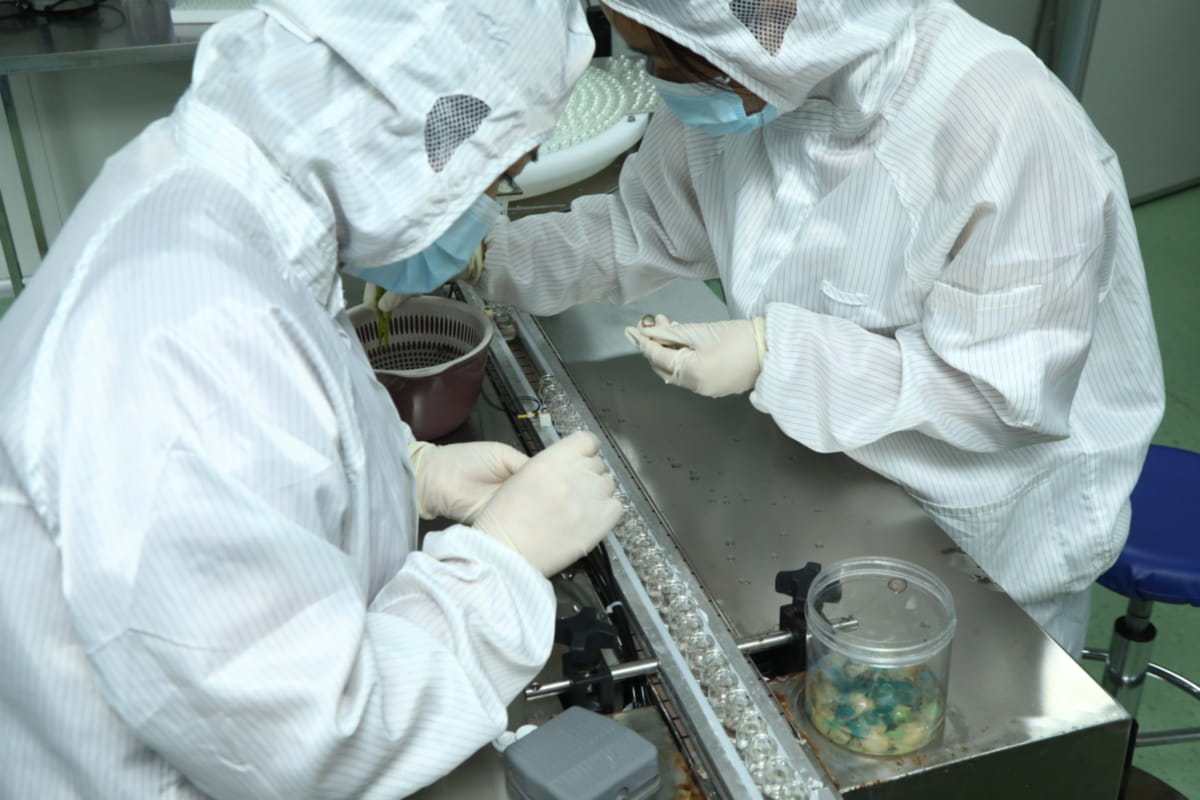
Our bio-colorants are locked precisely between two layers of transparent hydrogel polymer. The colored pigment never contacts the corneal epithelium or palpebral conjunctiva, preventing pigment leaching, allergic reactions, and friction abrasion.
Turnkey Packaging Ecosystem
Unlike lens-only factories, we operate dedicated offset printing and acrylic fabrication plants. From high-grade corrugated mailer cartons and magnetic gift boxes to point-of-sale optical display counters, we ship your entire product line pre-packaged and retail-ready.
Ultra-Flexible Private Label MOQ
We understand that building a domestic brand in Vietnam requires agile SKU testing. We support new brand owners with low minimum order quantities starting from just 300 pairs per shade for in-stock colorways, minimizing inventory capital risk.
Comprehensive Import Dossier
Every export shipment to Vietnam is accompanied by an export-grade dossier: ISO 13485:2016 quality certificates, CE Declaration of Conformity, notarized Certificate of Free Sale (CFS), and batch sterilization biological validation reports.
6. Localized Procurement FAQ for Hanoi Importers & Brand Owners
Key technical, legal, and shipping considerations answered by our senior international export directors:
How are contact lens shipments routed to Hanoi, and what is the transit time?
We offer two primary logistics streams for Hanoi clients: express air courier (via Guangzhou or Shenzhen direct to Noi Bai International Airport - HAN) with a 3–5 business day door-to-door timeline; and consolidated sea freight (via Nansha/Shekou to Hai Phong Port) for large bulk orders and heavy packaging displays, requiring approximately 7–10 days.
Can you provide Vietnamese language labeling and compliance barcodes?
Yes. In full accordance with Decree 43/2017/ND-CP and Decree 111/2021/ND-CP regarding goods labeling in Vietnam, our packaging printing division prints Vietnamese secondary labels (Nhan phu tieng Viet) directly on the outer carton or provides roll labels including importer name, registration number, expiration date, diopter power, and sterilization method.
What is the standard payment term for custom OEM orders from Vietnam?
Our standard terms for verified Vietnamese corporate importers are 30% T/T deposit upon design approval and mold scheduling, with the remaining 70% balance payable against the formal Bill of Lading (B/L) or Air Waybill (AWB) issuance. For large annual supply contracts, we accept confirmed irrevocable Letters of Credit (L/C at sight) through tier-1 commercial banks in Vietnam.
How do you guarantee color batch consistency across seasonal re-orders?
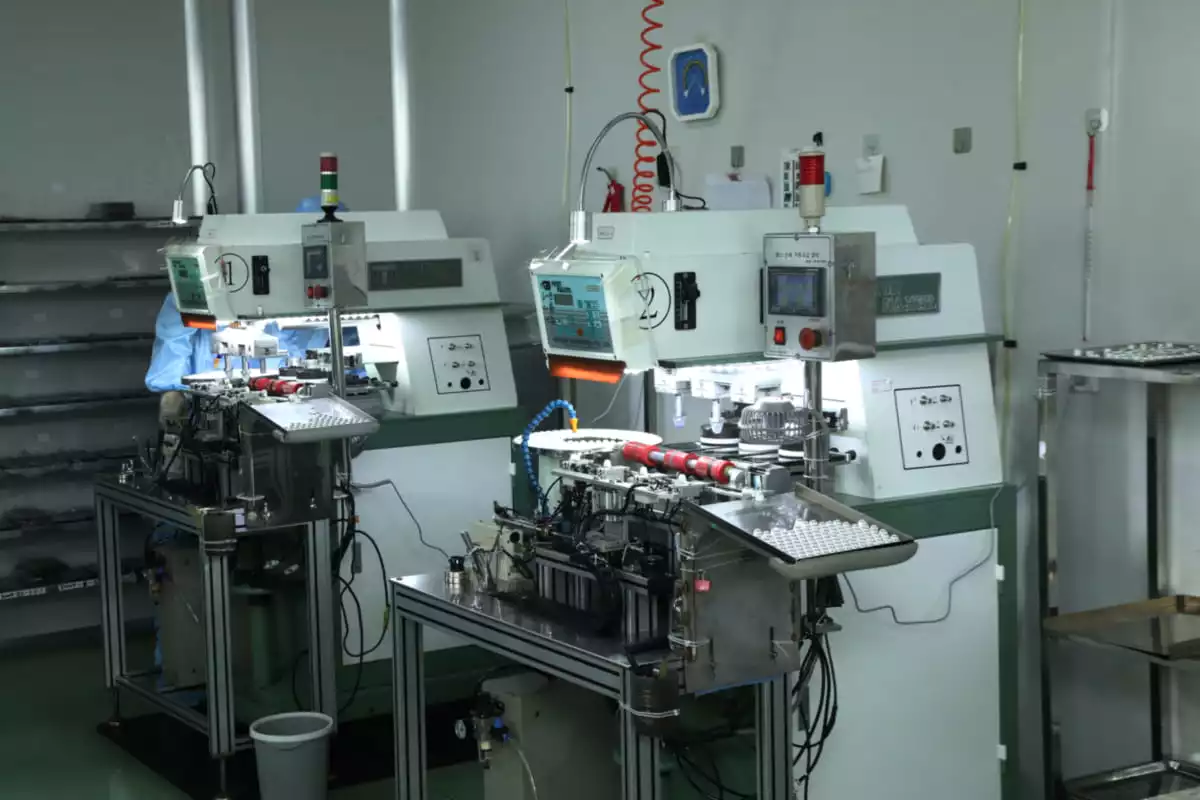
We utilize computerized high-resolution spectro-densitometers and automated digital pad-printing registration systems. Every custom shade formulation is assigned an encrypted Pantone/CIELAB color profile. When your brand reorders in spring, summer, or winter, our computerized pigment dispensing ensures less than Delta E < 0.5 color variance across production runs.
Do you offer toric (astigmatic) and multifocal cosmetic lenses for clinical optometry in Vietnam?
Yes. Unlike standard fashion lens traders, our optical casting molds include back-surface toric designs for astigmatism correction and center-near aspheric multifocal designs. These allow Vietnamese optometrists and ophthalmology clinics in Hanoi to prescribe cosmetic lenses without compromising refractive precision.
Can we order physical sample packs prior to committing to a container order?
Absolutely. We dispatch expedited sample kits containing our top 16 popular shades in Southeast Asia along with mock packaging samples. Sample kits are prepared within 48 hours and typically arrive at your Hanoi office via DHL or FedEx within 3 business days.
7. Safeguarding Cold-Chain & Saline Integrity During Subtropical Transit
A critical technical failure point for low-cost cosmetic contacts shipped into Northern Vietnam is saline degradation due to temperature fluctuations during transit. In summer, tarmac temperatures at transit hubs can exceed 45°C. Lower-grade blister films allow water vapor transmission (WVTR), resulting in hypertonic saline shifts that cause stinging, lens warping, and corneal micro-abrasion upon first insertion.
Velalens utilizes medical-grade aluminum foil seals with multi-layer barrier laminates and pharmaceutical-grade buffered saline enriched with Sodium Hyaluronate (HA). Every blister retains absolute hermetic seal integrity, ensuring a verified 5-year sterile shelf life that meets both international ISO 11137 standards and local Vietnamese market expectations.
Launch or Expand Your Color Contact Lens Line in Hanoi
Connect directly with our senior optical manufacturing engineers and packaging design team. Receive our comprehensive OEM catalog, wholesale B2B pricing schedule, and sample test kits delivered to your doorstep in Vietnam.