High-Precision Optical Lenses & Contact Lens Technologies
Engineered to international ISO 13485 and CE standards. Formulated with biomedical-grade polymacon, HEMA, and advanced high-index monomers directly supplied to regional distributors in South America.
Engineering Contact Lenses for Peru's Diverse Geography & Demographics
Sourcing optical goods for the Peruvian market demands acute technical adaptation. From high-altitude atmospheric drying in Cusco and Puno to coastal urban salinity in Metropolitan Lima, our factory configurations are formulated to provide verified physiological resilience.
High-Altitude Corneal Hydration (Andean Region)
In cities such as Arequipa, Cusco, and Huancayo (situated 2,300 to 3,800 meters above sea level), barometric pressure is significantly lower, precipitating accelerated tear-film evaporation. Standard high-water content hydrogel lenses often exhibit rapid dehydration at these altitudes, leeching moisture directly from the wearer's precorneal film and triggering contact lens-induced dry eye (CLIDE). We formulate optimized 38% low-water HEMA polymers and advanced silicone hydrogels that preserve dimensional stability, minimize surface dehydration, and maintain high oxygen transmissibility (Dk/t) without compromising ocular hydration.
Pigment Matching for Deep Brown Irises
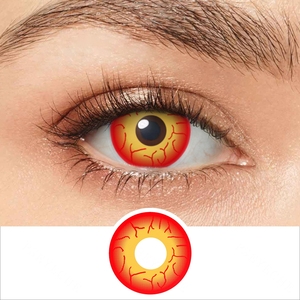
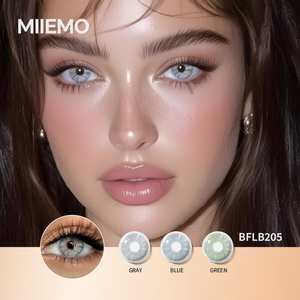
Cosmetic lenses imported into Peru must effectively cover and enhance naturally deep, dark-brown iris shades dominant across the Peruvian mestizo population. Standard single-tone European patterns often appear muddy, overly opaque, or unnaturally flat under bright equatorial sunlight. Our factory implements proprietary multi-layer dot-matrix print registration featuring an opaque inner barrier layer, realistic radial contrast streaks, and carefully calibrated pupil diameter clearances (typically 4.0mm to 4.5mm) to balance dramatic aesthetic color shifts with absolute preservation of low-light visual acuity.
Coastal Retail & Urban Optical Chains (Lima & Callao)
Metropolitan Lima concentrates more than 55% of the total commercial optical volume in Peru. Here, optical boutique chains (Cadenas de Ópticas) and independent practices in districts such as Miraflores, San Isidro, and the bustling optical wholesale hubs along Jirón Huancavelica require consistent retail packaging, blister sterile seals resistant to ambient coastal humidity, and complete regulatory technical files ready for municipal sanitary inspections. Our packaging options include tamper-evident aluminum-sealed blisters, bilingual Spanish-English user guides, and fully traceable EAN-13 barcodes.
Standard Manufacturing Parameters for Peru Export Series
A technical overview of baseline physical and chemical parameters available for private-label cosmetic and corrective contact lenses manufactured for our Peruvian partners.
| Technical Metric | Hydrogel (HEMA-NVP Matrix) | Silicone Hydrogel (SiHy Series) | Compliance Reference / Method |
|---|---|---|---|
| Base Curve (BC) | 8.50 mm – 8.70 mm (±0.02 mm) | 8.60 mm (±0.02 mm) | ISO 18369-3 Radiuscope |
| Total Diameter (DIA) | 14.0 mm / 14.2 mm / 14.5 mm | 14.2 mm | ISO 18369-3 Projection Comparator |
| Water Content | 38% – 42% | 48% – 55% | ISO 18369-4 Gravimetric Method |
| Oxygen Transmissibility (Dk/t) | 18 – 24 × 10-9 (@ -3.00D) | 90 – 125 × 10-9 (@ -3.00D) | ISO 18369-4 Polarographic Method |
| Center Thickness | 0.07 mm – 0.09 mm (@ -3.00D) | 0.08 mm (@ -3.00D) | Electronic Thickness Gauge |
| Pigmentation Safety | Triple-Layer Encapsulation (Sandwich) | Inter-Polymer Matrix Sealing | Zero Surface Rubbing (Cotton Swab Assay) |
| Sterilization Process | Moist Heat Autoclave (121°C, 30 min) | Moist Heat Autoclave (121°C, 30 min) | EN 556-1 / ISO 17665-1 (SAL 10-6) |
| Shelf Life Stability | 5 Years Guaranteed Expiration | 3 to 5 Years | ASTM F1980 Accelerated Aging Data |
Emerging Trends in the Peruvian Contact Lens & Optical Import Sector
The Peruvian ophthalmic market has shifted substantially over the past several operating cycles. Traditionally dominated by multinational ophthalmic conglomerates distributing via high-margin intermediary channels, local optical chains, independent clinics, and emerging e-commerce retailers in Lima are aggressively seeking direct-from-factory partnerships with Chinese manufacturers. By eliminating layered importer markups, Peruvian businesses achieve profit margins exceeding 60% while providing more competitive pricing to the end consumer.
A second notable shift is the rapid rise of hybrid corrective-cosmetic demand. Urban youth and young professionals across Lima, Trujillo, and Chiclayo increasingly view cosmetic contact lenses not merely as novelty carnival items, but as routine daily beauty accessories. As a result, demand for prescription colored lenses (spherical power from -0.50D up to -8.00D) has outpaced plano (0.00D) cosmetic variants by an estimated 35% in professional optical chains. Importers who provide broad diopter stock curves in high-demand colors—such as soft hazels, warm honeys, and natural slate grays—dominate seasonal retail turns.
Furthermore, stringent regulatory enforcement by the Peruvian national health authority—DIGEMID (Dirección General de Medicamentos, Insumos y Drogas)—has raised the barrier to entry for gray-market, uncertified imports. To clear the specialized customs terminals at the Jorge Chávez International Airport (LIM) air cargo facility or the Maritime Port of Callao, optical goods must possess a valid Registro Sanitario de Dispositivos Médicos. Peruvian importers now prioritize manufacturers that can provide clean, audit-ready technical dossiers, including Certificate of Analysis (COA), ISO 13485:2016 certifications, Free Sale Certificates (FSC/CLV) validated with the Apostille of The Hague Convention, and complete biocompatibility summaries conforming to ISO 10993.
Why South American Optical Importers Partner with Our China Factory
Vertical manufacturing control from raw optical monomer synthesis through high-precision cast molding, automated pad-printing, and clinical cleanroom sterilization.
Patented Pigment Sandwich Technology
Safety is the primary prerequisite for medical device registration. Our color lenses are engineered with zero-contact sandwich encapsulation. FDA-approved, medical-grade inorganic color pigments are firmly embedded between an anterior clear monomer layer and a posterior base monomer layer. The colorants never touch the delicate corneal epithelium or palpebral conjunctiva, completely preventing pigment leaching, corneal micro-abrasion, and toxic chemical leaching under extended wear.
Complete Class III Cleanroom Infrastructure
Our manufacturing complex operates certified Class 100,000 cleanrooms for casting and polymer curing, supported by localized Class 10,000 workstations for hydration and blister-packaging lines. We utilize automated computerized optical projection analyzers to perform 100% surface inspection, verifying that every single lens leaving our production line is entirely free of peripheral edge nicks, micro-bubbles, inclusion particles, or axial print misalignments.
Dedicated Regulatory Dossiers for DIGEMID
Unlike generic trading houses, our in-house engineering and regulatory affairs department routinely prepares full technical registration dossiers (Expedientes Técnicos de Registro Sanitario) required by DIGEMID. We supply ISO 13485:2016 quality management system documents, European CE full quality assurance certificates, toxicological risk assessment files, cytotoxicity evaluations according to ISO 10993-5, and accelerated 5-year sterility validation reports.
Low OEM MOQs & Turnkey Private Labeling
We empower regional distributors, local clinic chains, and independent brands across Latin America to establish their own proprietary lens brands. With initial custom packaging minimums starting from only 300 to 500 pairs per color, we provide full structural design services for bilingual Spanish retail boxes, blister foil heat-sealing, user instruction leaflets (insertos), and sterile packaging tailored to local commercial aesthetics.
Reliable Pacific Ocean Logistics Corridors
Located near primary international shipping hubs in Ningbo, Shanghai, and Shenzhen, our global export team provides streamlined Pacific-route sea freight directly connecting to the Port of Callao within 18 to 25 transit days. For urgent sample iterations or high-value power replenishment, our direct air-express contracts (DHL, FedEx, UPS) deliver to Lima within 4 to 6 business days, accompanied by exact packing lists, commercial invoices, and consular certificates.
Bespoke Optical Parameter Customization
Every demographic has distinct average keratometric values. While our universal base curve of 8.6mm provides a comfortable fit for the majority of patients, we provide precision custom mold tooling for specialized dimensions ranging from 8.4mm to 8.8mm BC and 14.0mm to 14.5mm total diameter. Our custom capabilities extend across plano cosmetic circle lenses, myopic powers up to -10.00D, customized toric cylinder geometries, and specialized multi-curve edge finishes.
Frequently Asked Questions by Optical Importers in Peru
Detailed insights on import compliance, DIGEMID regulations, order terms, and shipping procedures directly answered by our international export specialists.
What specific documentation is required to clear contact lenses through DIGEMID and Peruvian Customs (SUNAT)?
What is the typical Minimum Order Quantity (MOQ) for an OEM private-label order destined for Lima?
What are the recommended replacement cycles and materials for the Peruvian market?
How long does sample delivery and mass commercial production take?
Can our factory print customized packaging complying with Peruvian sanitary labeling norms?
Scale Your Optical Brand with China's Premier Lens Manufacturer
Whether you are establishing a new private-label cosmetic line in Metropolitan Lima, expanding clinical inventory across Arequipa, or seeking certified regulatory dossiers for DIGEMID sanitary registration, our factory engineering team is ready to assist your commercial growth.