Daily–YearlyVL-CR01
Crystal Custom Series
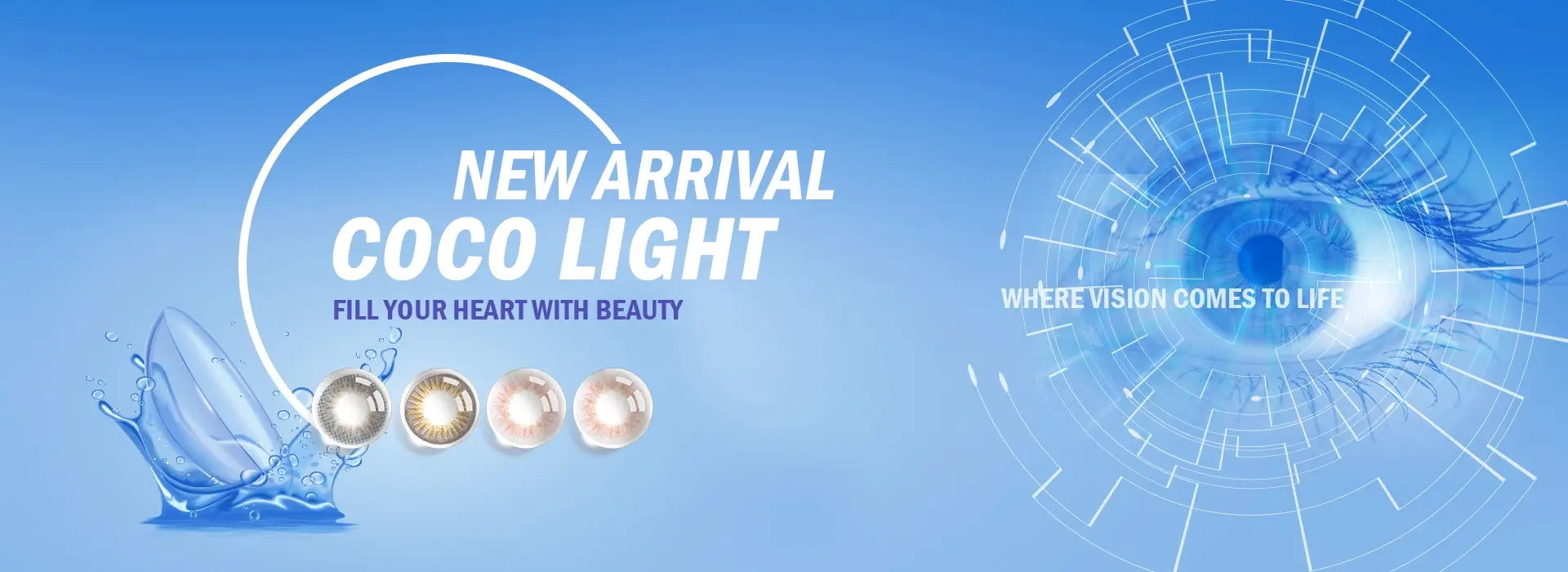
High-translucency pigment matrix engineered for natural eye color enhancement without compromising pupil light response.
Clinical biocompatibility, multi-layer sandwich pigment isolation, and complete 510(k) technical documentation built specifically for international brands and distributors.
Zero Pigment Exposure, Uncompromised Oxygen Flux
Triple-layer encapsulation isolates FDA-listed color additives inside the matrix for total corneal safety.
Full Batch Traceability & Global Regulatory Clearance
Cast-molding tolerances within ±0.02 mm, ISO 13485 cleanroom validation, and turnkey master files.
Global procurement teams navigating the contact lens landscape face an increasingly rigorous regulatory environment. In premier markets like the United States, Europe, and the Middle East, colored contact lenses are not categorized as simple novelty cosmetics; they are legally classified as prescription Class II medical devices governed by strict standards, including US 21 CFR 886.5925 and EU MDR 2017/745. At Velalens Technology Co., Ltd., we bridge the gap between runway-inspired cosmetic color palettes and uncompromising clinical safety.
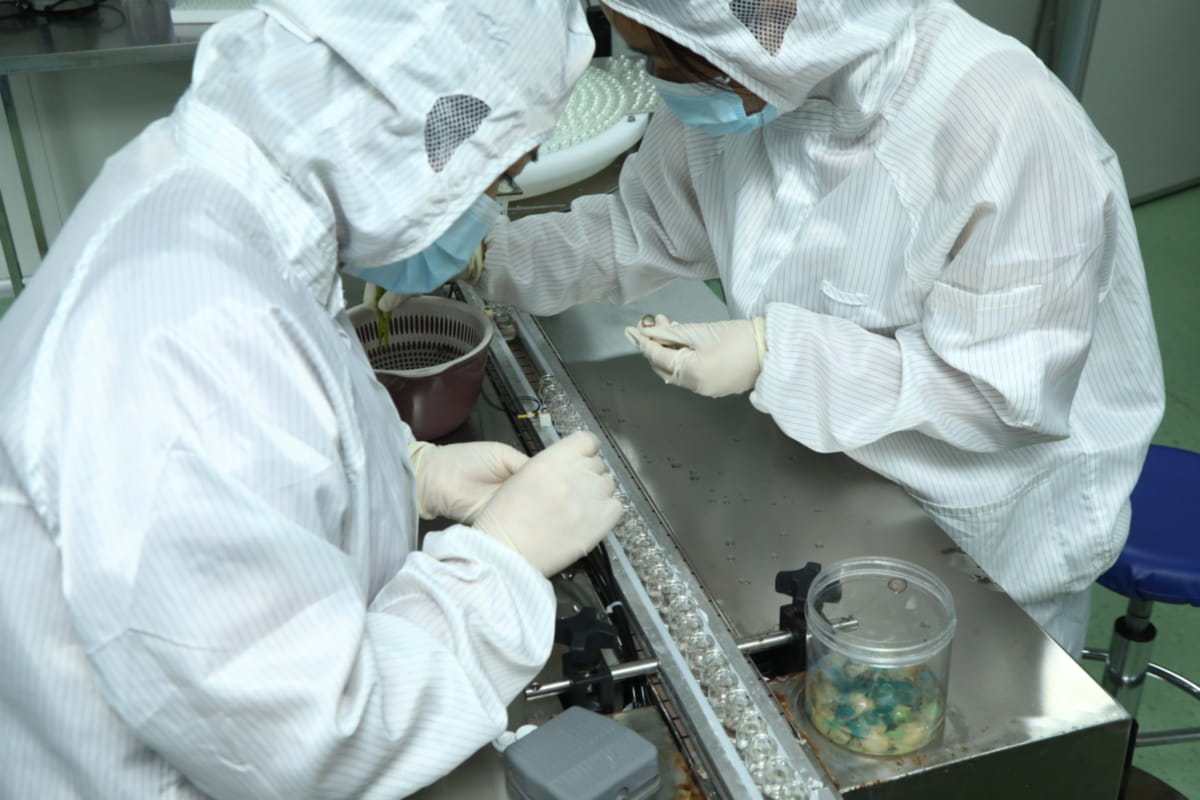
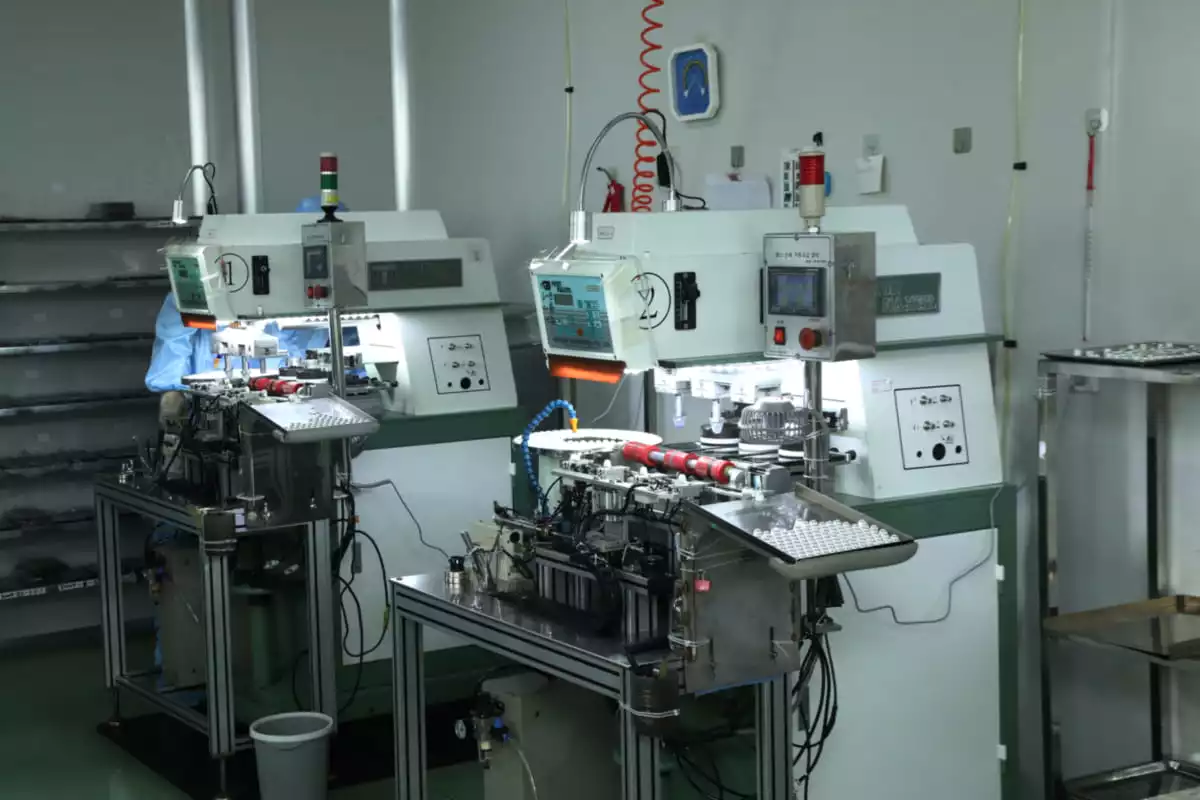
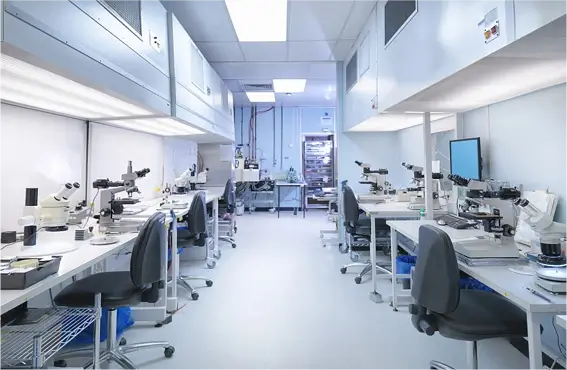
With vertically integrated cleanroom production facilities in China, Velalens Technology Co., Ltd. controls the complete manufacturing chain. We eliminate the primary supply chain vulnerabilities that cause customs impoundment, regulatory warning letters, and consumer corneal irritation. Our engineering baseline relies on verified medical polymers, sterile saline packaging buffers, calibrated robotic cast-molding, and automated optical verification across every batch.
Every SKU engineered by Velalens Technology Co., Ltd. satisfies strict geometrical repeatability and optical transparency tolerances designed to streamline downstream regulatory submittals.
| Base Curve (BC) | 8.50 mm – 8.70 mm (±0.02 mm tolerance) |
|---|---|
| Diameter (DIA) | 14.0 mm – 14.5 mm (Graphic DIA 13.0 – 13.8 mm) |
| Central Thickness | 0.06 mm – 0.08 mm (@ -3.00 D) |
| Water Content | 38% (Low-dehydration HEMA) – 55% (High water) |
| Power Correction | Plano (0.00) to -10.00 D; Toric & Multifocal available |
| Oxygen Permeability | HEMA Dk ~8.5–10; Silicone Hydrogel Dk/t > 80–120 |
| Color Chemistry | FDA 21 CFR Part 73/74 compliant inorganic iron oxides & phthalocyanine |
Pre-validated clinical formulations ready for private labeling, hospital-optical distribution, and direct-to-consumer e-commerce brands.
High-translucency pigment matrix engineered for natural eye color enhancement without compromising pupil light response.
Breakthrough presbyopia cosmetic lens pairing simultaneous center-near vision correction with high-definition limbal definition.
Single-use daily hygiene pack designed to exceed stringent US OTC import checks, featuring sterile strip-blister packaging.
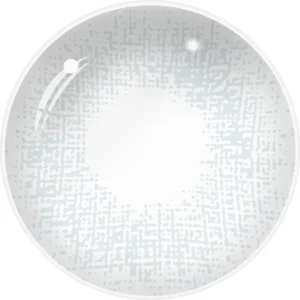
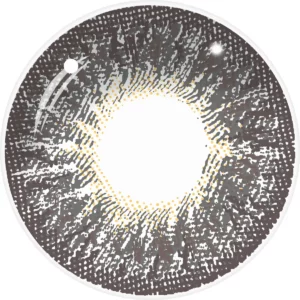
Neutral gray tones with calibrated opacity dots that seamlessly cover dark brown irises without unnatural flattening.
Tri-tone graduated hazel blending clinical hydrogel lubricity with realistic depth. High lubricity edge beveling prevents epithelial friction.
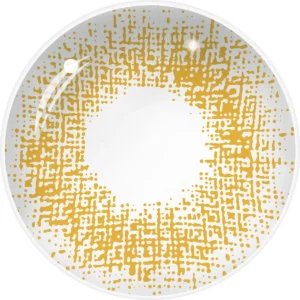
Precision prism-ballasted or dynamic peri-ballast toric stabilization for astigmatism, combined with luminous honey cosmetic patterns.
Everyday clinical favorite featuring an ultra-thin center profile and feather-soft tapered edge for all-day computer and office comfort.
Vibrant teal cosmetic lens manufactured under identical Class II medical guidelines as prescription lenses for safe cosmetic distribution.
How shifts in global healthcare enforcement, automated AI customs screening, and ophthalmic consumer behavior are reshaping B2B contracts through 2026–2030.
The US FDA and European customs authorities have transitioned from paper audits to algorithmic data matching via Automated Commercial Environment (ACE) integration and EUDAMED registries. Sourcing teams cannot afford discrepancies between blister labeling, manufacturer registration numbers, and 510(k) clearances. Future-proof procurement mandates direct supplier alignment with Unique Device Identification (UDI) barcoding, GUDID synchronization, and transparent supply-chain pedigrees.
Traditional PolyHEMA hydrogels have dominated the cosmetic sector due to low cost and easy pad printing. However, international optometry boards and informed consumers demand higher oxygen transmissibility (Dk/t) to avoid corneal neovascularization during 12+ hour wear cycles. B2B procurement is rapidly transitioning contract allocations toward silicone hydrogel color formulations. Velalens Technology Co., Ltd. leads this transition by solving the historic challenge of printing precision multi-tone patterns on hydrophobically treated silicone matrices.
While yearly lenses persist in price-sensitive territories, the most lucrative B2B markets (North America, East Asia, and Western Europe) have overwhelmingly adopted daily disposable modalities. Daily packs virtually eliminate contact lens-related infectious keratitis caused by improper lens-case hygiene. Concurrently, procurement requests for combined cosmetic and functional optics—specifically colored toric lenses for astigmatism and presbyopia correction—have grown over 38% year-over-year.
From chemical pigment immobilization to automated machine-vision defect sorting, explore the engineering milestones separating medical-grade colored lenses from unregulated novelties.
Early-generation cosmetic lenses applied inks directly to the exterior or interior surface through pad printing, leading to pigment flaking, abrasive keratitis, and toxic leachates. Today, modern compliant manufacturing engineered by Velalens Technology Co., Ltd. incorporates closed-matrix entrapment and non-reactive color science.
Power, curve, tone & target compliance
Stock 3–7 days; custom 2–3 weeks
Polymerization, sandwich printing
100% vision scan, extractables audit
Foil blister sealing & batch labeling
Air/sea freight with full customs clearance files
Critical frameworks for QA directors, brand founders, and optical buyers preparing to import, market, and scale medical-grade colored lens collections.
Integrating presbyopia correction into high-appeal cosmetic lenses is an enormous market opportunity. However, optical clear zones must precisely accommodate pupillary dynamics under varying light conditions.
Procurement teams must evaluate: (1) Clear pupil aperture diameter (must remain ≥5.5 mm to prevent edge glare during mesopic dilation), (2) Add power availability from +1.00 to +2.50 D across progressive concentric power rings, and (3) Decentration tolerance during blinking. Velalens provides exact ray-tracing data per design.
Many overseas traders market plano colored lenses as novelty cosmetics. Under US federal law, claiming 'non-prescription' does not exempt the product from Class II medical device requirements.
Importers face immediate customs seizure under FDA Import Alert 86-08 if shipments lack verified 510(k) clearances, registered foreign manufacturing facilities, and compliant medical labeling. Velalens Technology Co., Ltd. supplies verifiable regulatory packages to protect buyers from costly port impoundments.
How QA managers can verify legitimate factory capabilities before issuing purchase orders or advancing tooling capital.
Audit requirements: (1) Request ISO 10993 cytotoxicity and ocular irritation testing reports conducted by GLP-accredited laboratories, (2) Demand SEM (Scanning Electron Microscope) cross-sections proving pigment is sandwiched between clear polymers, (3) Confirm autoclave cycle lethality (SAL 10^-6), (4) Audit accelerated aging shelf-life reports (up to 5 years), and (5) Inspect raw material supplier certifications for monomer purity.
Comprehensive answers addressing regulatory classification, manufacturing safeguards, minimum order quantities, and international logistics.
Connect with our OEM/ODM engineering specialists for sample requests, technical documentation, and tailored production quotations.