Daily–YearlyVL-CR01
Crystal Custom Lenses
Translucent crystalline matrix designed for light-to-medium irises. Delivers an ethereal luminance while preserving natural corneal depth.
Direct factory precision, encapsulated pigment matrix, compliant technical files, and flexible low MOQs engineered for optical chains and beauty disruptors.
Ultra-High Oxygen Clinical Comfort
Preserve corneal metabolism with advanced siloxane macromers and zero-friction cast molded edge profiles.
100% Inspection & Global Certification
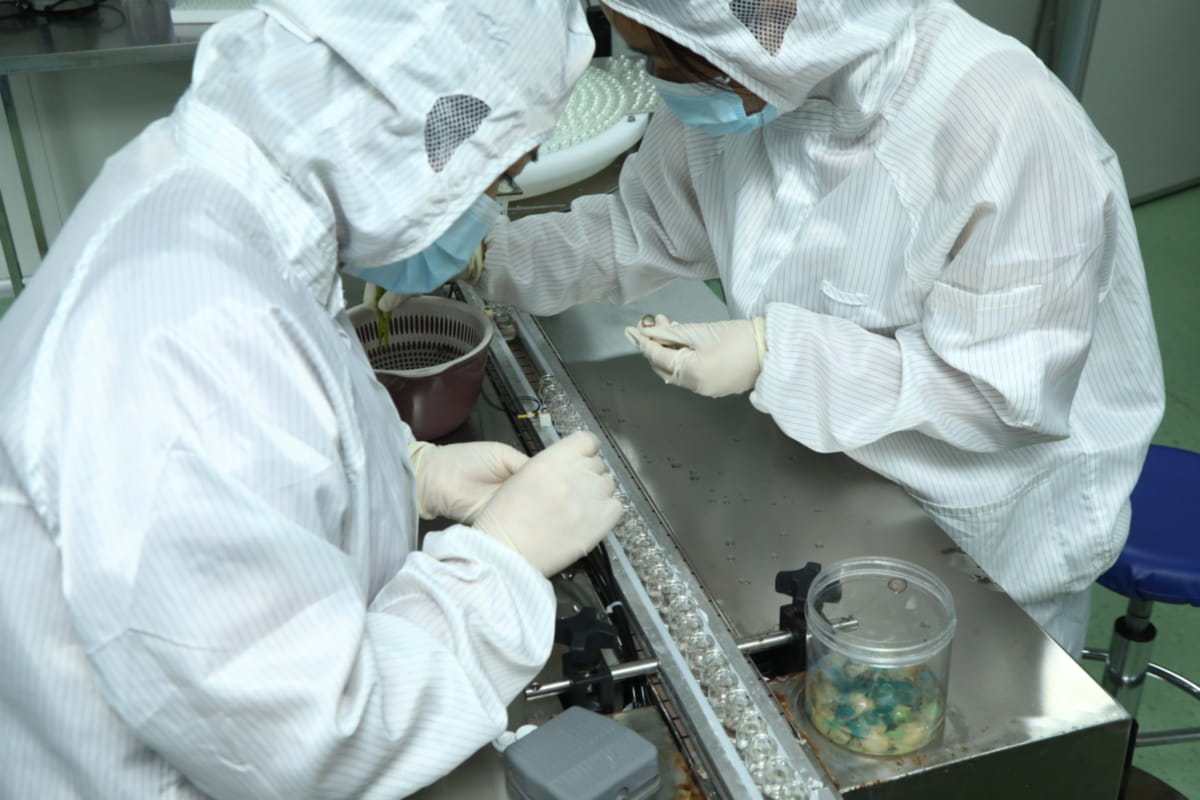
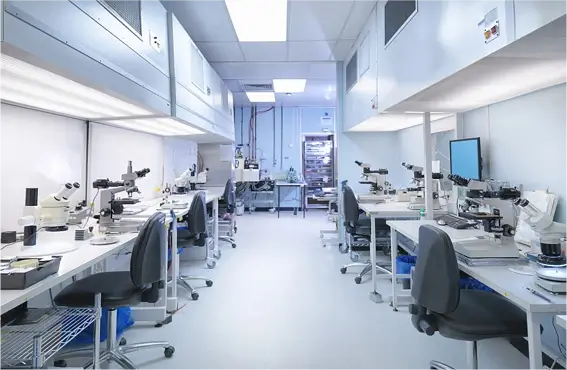
Class 100,000 cleanroom production, full ISO 13485 certification, and technical dossiers ready for EU MDR and international compliance.
At Velalens Technology Co., Ltd., we recognize that custom cosmetic contact lenses are medical devices that intersect with high fashion aesthetics. For global brand owners, optical dispensary chains, and cosmetic distributors, sourcing these items requires far more than generic catalog selection. It demands uncompromising physiological safety, tight chromatic consistency across high-volume production batches, and fully auditable regulatory compliance.
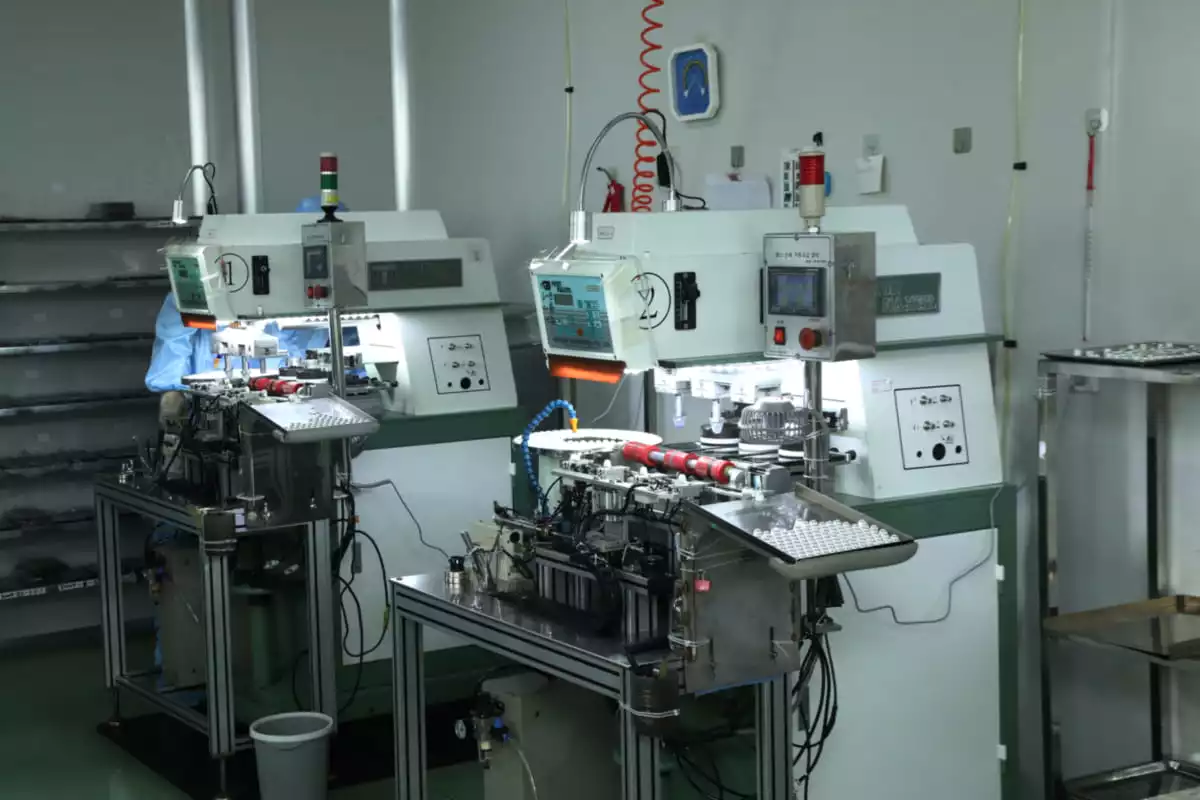
Our vertically integrated cleanroom facilities govern every critical phase of manufacturing: molecular polymer formulation, computerized cast molding, micro-registered multi-tone pad printing, optical hydration balancing, individual lens automated optical inspection (AOI), high-pressure steam sterilization, and certified private label blister packaging. We engineer our lenses to satisfy both discerning optometrists and selective retail consumers across North America, Europe, the Middle East, and Latin America.
Velalens allows enterprise clients to fine-tune every physical and optical parameter to match specific population demographics and target wear modalities.
| Overall Diameter (DIA) | 14.00 mm – 14.50 mm (±0.05 mm precision tolerance) |
|---|---|
| Graphic Diameter (G.DIA) | 12.80 mm – 14.00 mm (Tailored natural iris vs. circle lens look) |
| Base Curve (BC) | 8.40 mm – 8.70 mm (Optimized sagittal depth for slippage prevention) |
| Equilibrium Water Content | 38% (High modulus stability) to 58% (High initial wettability) |
| Substrate Chemistries | Poly-HEMA hydrogel, NVP hydrophiles, or Gas-Permeable Silicone Hydrogel |
| Optical Corrective Range | Plano (0.00D), Myopia (-0.50D to -12.00D), Toric Cyl (-0.75 to -2.75D), Multifocal (+1.00 to +2.50 Add) |
| Sterilization Standard | High-pressure moist heat saturated steam autoclave at 121°C for 20+ mins |
| Packaging Executions | Medical polypropylene blister shells with peelable foil, or pharmaceutical Type-I glass vials |
Engineered for high consumer retention, distinct color saturation, and immediate daylight naturalism. Available for private label packaging or customized formulation.
Translucent crystalline matrix designed for light-to-medium irises. Delivers an ethereal luminance while preserving natural corneal depth.
Aspheric multifocal optics merged with a cobalt limbal ring. Perfect for presbyopic wearers demanding vivid cosmetic enhancement.
Single-use daily disposables engineered for clinical ocular hygiene. Warm honey-amber tones optimized for dark irises.
Neutral slate gray with micro-feathered transitions. Consistently ranked as the highest-converting SKU for private label brands.
Three-tone chromatic gradation that simulates human iris crypts and collarettes. Zero pixelation under high-definition photography.
Back-surface prism ballast toric stability paired with amber cosmetic tones. Eliminates rotation to keep astigmatic vision crisp.
Subtle chestnut hue featuring a low-opacity boundary ring. Blends seamlessly with professional lifestyle routines and daily office wear.
Intense cyan-turquoise coloration engineered specifically for visual creators, editorial fashion styling, and vibrant cosmetic retail lines.
Analyzing tectonic shifts in international supply chain compliance, material preferences, and consumer purchase drivers for 2026 and beyond.
Historically, cosmetic contact lenses relied primarily on Poly-HEMA hydrogel formulations due to manufacturing economics and easy pigment acceptance. However, modern procurement teams are shifting purchase orders toward high-Dk/t Silicone Hydrogel materials.
Silicone hydrogel allows up to five times more metabolic oxygen to permeate through to the corneal surface, mitigating corneal edema, limbal hyperemia, and chronic dry-eye fatigue during long hours of smartphone and computer use. Velalens utilizes advanced compatibilizing surfactants that lock internal moisture within the silicone network, avoiding surface lipid deposition without compromising print resolution.
The regulatory grace periods for older EU Medical Device Directives (MDD 93/42/EEC) have concluded, making full compliance with the European Medical Device Regulation (EU MDR 2017/745) mandatory for Class IIa contact lens imports. Customs authorities across the EU, US FDA inspectors, and Gulf Health Council (GHC) port officials are routinely halting non-compliant shipments lacking complete Technical Files.
Velalens mitigates supply chain risks by supplying verified documentation dossiers. When you partner with us, our regulatory affairs department provides ready-to-submit clinical evaluations, extractable/leachable testing sheets, and post-market surveillance frameworks.
Consumer preferences have decisively pivoted from annual and half-year replacement cycles to daily disposables (1-Day wear). Driven by heightened hygiene awareness and fast-fashion cosmetic lifestyles, end-users prefer opening fresh, sterile blister packs rather than handling cleaning solutions, storage cases, and prolonged enzymatic sanitization.
Simultaneously, buyers increasingly demand combined corrective functionality. Astigmatic cosmetic wearers previously had to choose between clear toric lenses or ill-fitting cosmetic options. Velalens bridges this gap by integrating stabilizing prism ballast designs with cosmetic patterns.
How cutting-edge optical engineering and advanced micro-encapsulation techniques are redefining the future of cosmetic ocular aesthetics.
Our core manufacturing distinction lies in our proprietary sandwich pigment isolation architecture. Primitive low-cost colored lenses apply pigment to outer lens surfaces, exposing the eye to pigment friction, abrasive micro-roughness, and potential pigment leaching. Our multi-layer encapsulation technology seals color permanently between two protective medical-grade polymer layers.
Pantone shades, G.DIA & pattern brief
Etched pad plates & lab sampling
Cleanroom polymer casting & curing
100% individual camera inspection
Custom blisters & 121°C autoclave
Air/Sea customs-ready delivery
In-depth, clinical evaluations published by our regulatory and optical engineering teams to help you make informed procurement decisions.
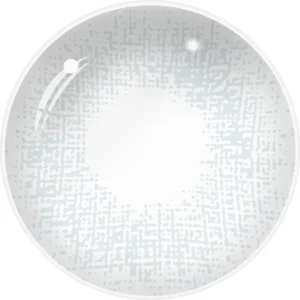
Combining simultaneous near/distance vision correction with layered cosmetic iris prints requires precise pad-printing alignment to prevent optical distortion.
The critical engineering challenge is keeping the central optical zone (typically 2.8mm to 3.2mm in diameter) completely free of pigment ink dot migration. If dots bleed into the visual pupil axis, wearers experience flare and degraded contrast sensitivity. Velalens utilizes sub-micron optical registration plates to guarantee clear central vision alongside vibrant cosmetic peripheral color.
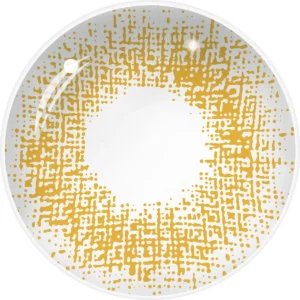
Cheap cosmetic contact lenses often utilize non-crosslinked inks that degrade in saline. Sourcing teams must audit heavy metal and monomer residue testing.
Every pigment batch utilized by Velalens undergoes ICP-MS heavy metal testing (arsenic, cadmium, lead, mercury) and GC-MS residual volatile monomer extraction. We verify that extractables remain well below ISO 10993 cytotoxicity thresholds, giving brand owners complete confidence when submitting regulatory files to national health authorities.
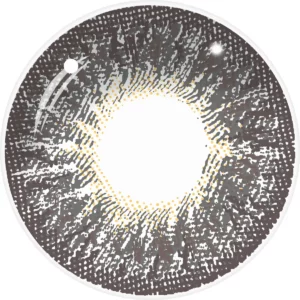
Corneal mechanical abrasions are caused not by lens base curve alone, but by poor peripheral edge profiles from low-cost blade-cut manufacturing.
Cast molding produces rounded, tapered junction profiles that glide smoothly over the conjunctival and scleral surface during every blink (roughly 15,000 blinks per day). When auditing suppliers, insist on high-magnification cross-sectional edge interferometry profiles rather than relying solely on flat diameter measurements.
Direct technical answers addressing the most common operational and regulatory questions regarding custom cosmetic contact lenses.
Submit your target parameters, graphic patterns, wear cycles, and annual volumes. Our optical engineers reply with precise quotes and regulatory data within 24 hours.