Featured Yearly & Cosmetic Contact Lens Portfolio
Direct from medical-grade cleanroom lines: high-definition iris printing, 38%-42% balanced hydration, and comprehensive private-label compatibility.
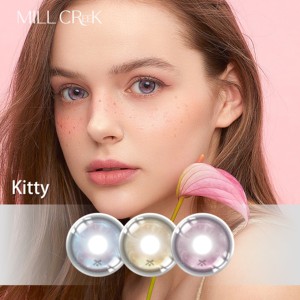
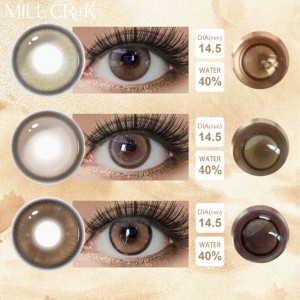
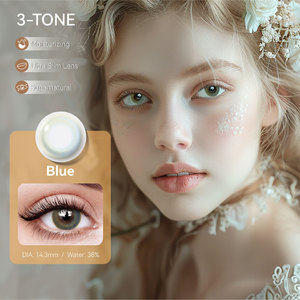
 Private Label
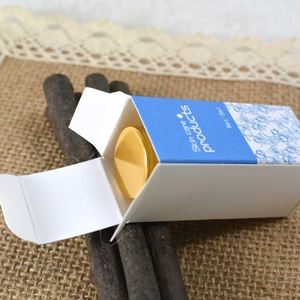 Turnkey Pack
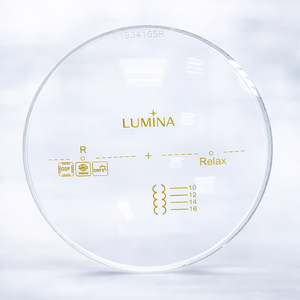
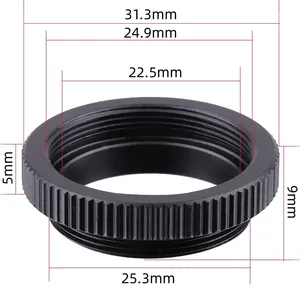 Inspection Hardware
The Strategic Role of Yearly Colored Contact Lenses in Global Optical Supply Chains
While daily disposables dominate mature Western medical markets, yearly replacement cosmetic lenses represent over 62% of distributor margin volume across Latin America, the Middle East, Central Asia, and Southeast Asia.
In modern ophthalmology and cosmetic retail, yearly replacement colored contact lenses remain a pivotal procurement category. From an inventory management standpoint, annual lenses provide wholesale importers and optical retail chains with an unprecedented inventory-to-revenue ratio. A single SKU purchase serves an end-consumer for 365 days, reducing packaging freight costs per day of wear by more than 82% compared to daily modalities.
However, yearly lenses place the highest technical demands upon manufacturers. Unlike single-use lenses discarded after 12 hours, annual colored contacts must withstand protein tear-film deposits, enzymatic cleaning cycles, physical friction during mechanical finger-rub sanitization, and continuous hydration retention without pigment micro-leakage. Evaluating a primary supplier requires strict verification of material polymer stability, biocompatible color encapsulation, and pristine cast-molding edge finishes.
Top 10 Yearly Colored Contact Lens Manufacturers & Suppliers (2026 Directory)
An objective, comparative engineering assessment of leading global fabrication bases based on compliance, production capacity, optical design sophistication, and private-label accessibility.
Velalens Technology Co., Ltd.
A specialized medical-grade contact lens powerhouse engineering high-precision yearly, monthly, and daily cosmetic lenses. Renowned for low private-label entry barriers and patented sandwich pigment isolation technology.
- Material Matrix: HEMA Hydrogel & Silicone Hydrogel
- Water Content: 38% - 42% Optimized
- Encapsulation: Full Sandwich Polymer Sealed
- Private Label MOQ: ~300 Pairs / Design
- Regulatory Scope: ISO 13485, CE, Full Technical Files
Menicon Co., Ltd.
Pioneer of rigid gas permeable and advanced soft contact lens polymers. Excels in clinical optics and high oxygen delivery systems with an emphasis on institutional and hospital distribution channels.
- Material Matrix: Proprietary Hyper-Purified Polymeric Blends
- Target Markets: Japan, North America, Western Europe
- Key Strength: Unsurpassed Surface Wetting
- B2B Flexibility: Institutional Contracts (High MOQ)
Interojo Inc.
A titan in Korean cosmetic lens design, pioneering intricate dot-matrix printing and multi-tone natural blend aesthetics. Serves premier global brands under extensive ODM manufacturing partnerships.
- Material Matrix: Ultra-Thin HEMA / PolyHema
- Color Techniques: High-Density 3-Tone Graphic Prints
- Core Geography: East Asia, North America
- Private Label MOQ: 5,000+ Pairs / SKU
Geo Medical Co., Ltd.
Renowned globally for circular aesthetic enlargement lenses. Known for vibrant limbal contours and pioneering anti-counterfeit QR code packaging systems on yearly cosmetic vials.
- Primary Modality: Annual Circle & Cosplay Series
- Printing Metrology: Dual Cast-Molding Ink Injection
- Diameter Variety: 14.0mm to 14.8mm Expansive
- Channel Fit: Consumer E-Commerce & Retail
Innova Vision Inc.
Specializes in high-speed automated cast molding with integrated AOI (Automated Optical Inspection) systems, producing smooth-edge cosmetic lenses for high-volume retail chains.
- Process Standard: Full Robotic Cast-Molding
- Quality Control: Micro-Camera In-Line Defect Reject
- Edge Profile: Aspheric Smooth Comfort Bevel
- MOQ Tier: Intermediate to High Scale
Pegavision Corporation
Backed by consumer electronics automation pedigree, Pegavision brings semiconductor-level precision to contact lens cleanrooms, excelling in vibrant graphic registration and UV-blocking compounds.
- Tech Integration: Robotic Packaging & Cleanroom Lines
- Added Function: Class 2 UV Blocking Standard
- Brand Specialization: Trendy Fashion & Beauty Retail
- Turnaround: Predictable High-Batch Production
Belmore Contact Co., Ltd.
Specialized producer of natural-look aesthetic lenses tailored for Middle Eastern and Mediterranean iris tones. Focuses heavily on deep-pigment masking and high opacity natural blends.
- Color Coverage: Full Dark-Iris Opacity Conversion
- Packaging Formats: Sterile Glass Vials & Blisters
- Wear Comfort: Multi-Radius Posterior Curve
- B2B Market: GCC, Middle East Regional Salons
G&G Contact Lens (Dueba)
One of the earliest adopters of sandwich pigmentation in Asia. Boasts a massive archive of over 800 distinct print design templates for private-label distributor customization.
- Design Archive: Extensive Vintage & Modern Tones
- Durability Index: Reinforced Tensile Hydrogel
- Compliance: KGMP, CE Marking, Health Canada
- Flexibility: Wide Selection of Power Diopters
Bescon Global Co., Ltd.
Pioneering cast-molding and lathe-cutting hybrid manufacturing with long historical roots in therapeutic and prosthetic colored lenses, offering exceptional custom diopter ranges.
- Speciality: High Myopia (up to -15.00D) & Toric yearly
- Material Purity: Hypoallergenic Monomers
- Core Business: Paramedical & Optical Boutiques
- Reliability: High Rigidity Resistance
St. Shine Optical Co., Ltd.
A publicly traded contact lens manufacturing powerhouse operating high-capacity cleanroom facilities. While historically celebrated for mass-market clear spherical lenses, their private-label colored contact lens lines feature exceptionally tight dimensional tolerances, consistent 8.6mm base curve reproducibility, and global export registrations spanning over 70 countries worldwide.
- Annual Capacity: 500M+ Units Annually
- Certification: US FDA 510(k), CE MDR, Japan PMDA
- Packaging Automation: High-Speed Blister Strip Sealing
- Distribution Scope: Global Pharmaceutical & Optical Giants
Technical Benchmark Matrix: Top Sourcing Standards
Key physical and regulatory attributes to cross-reference during third-party factory quality audits.
| Manufacturing Standard | Velalens (OEM/Private Label) | South Korean Tier 1 (Interojo/Geo) | Taiwanese Automated Lines | Generic Non-Regulated Importers |
|---|---|---|---|---|
| Color Encapsulation | True 3-Layer Sandwich | Sandwich / Dual Ink Injection | Micro-Dot Film Transfer | Surface Print (Leaching Risk) |
| Dk/t Oxygen Permeability | 18 - 28 (HEMA) / 85+ (SiHy) | 20 - 24 (PolyHema) | 22 - 26 (HEMA) | < 10 (Poor Corneal Respiration) |
| Water Content Equilibrium | 38% - 42% (Anti-Dehydration) | 38% - 45% | 42% - 55% | Unstable (High Evaporation) |
| Edge Geometry | Tri-Curve Micro-Beveled | Rounded Smooth Contour | Laser Cut Aspheric | Square / Burred Edges (Irritation) |
| B2B Starting MOQ | From ~300 Pairs / Color | 3,000 - 10,000 Pairs / SKU | 5,000 - 20,000 Pairs | Unregulated Arbitrary |
| Registration Documentation | Full CE, ISO 13485, Device Files | KGMP, CE, Health Canada | US FDA 510(k), CE, PMDA | Incomplete / MDD Expired |
Velalens Engineering Architecture: Safety by Design
How our cleanroom technology solves the historic safety challenges of long-wear yearly cosmetic lenses.
Sandwich Encapsulation Protocol
Cosmetic color pigments must never contact the ocular surface. Velalens embeds micronized organic color particles between two ultra-thin layers of polymer. This prevents pigment friction against corneal epithelium and eliminates chemical leaching during long-term storage.
Optimal 38%-42% Water Content
A prevalent industry misconception is that higher water content always equates to higher comfort. In yearly modalities, high water lenses (>55%) act like sponges, absorbing ambient tear fluid and causing severe end-of-day dryness. Our 38%-42% formulation maintains ocular tear equilibrium.
Cast-Molded Micro-Edge Precision
Substandard annual lenses often cause foreign-body sensation due to rough peripheral cutting. Using high-precision CNC diamond-turned moulds, our automated casting ensures a continuous, micro-beveled smooth edge that facilitates tear circulation and smooth eyelid transition on every blink.
Product Development Trends Shaping the Next Decade
Emerging chemical formulations, optical architectures, and aesthetic patterns that will dictate consumer demand.
Biomimetic Radial Micro-Textures
Monolithic opaque color patterns are obsolete. Modern consumers demand 3D depth mimicking authentic human irises. New developments utilize multi-layer translucent micro-dots with asymmetrical pupillary margins and graduated limbal rings that blend seamlessly into dark natural irises.
Silicone Hydrogel Long-Wear Yearly
Silicone hydrogel provides up to 5x more oxygen transmissibility (Dk/t) than conventional HEMA. The primary R&D frontier is engineering hydrophilic surface coatings that prevent the naturally hydrophobic silicone from repelling water and attracting lipid deposits over 12 months of wear.
Dual-Defense Spectral Filtering (HEV & UV)
Consumers now spend upwards of 9 hours daily in front of digital displays. Next-generation yearly contact lenses incorporate yellow-tinted nano-pigments within the sandwich matrix that block both harmful UV400 rays and 415nm-455nm high-energy visible (HEV) blue light without distorting perceived colors.
Future B2B Procurement Trends: Mitigating Regulatory & Supply Chain Risks
Strategic guidelines for optical procurement heads navigating changing global compliance landscapes.
1. The Post-MDD Reality: Navigating the EU MDR Compliance Horizon
With the expiration of the EU Medical Device Directive (MDD 93/42/EEC) transition provisions, contact lenses—even non-prescription plano cosmetic models—fall under strict Annex XVI classification within the European Medical Device Regulation (EU MDR 2017/745). Importers can no longer source from uncertified workshops lacking notified body audits. Sourcing directors must verify that suppliers possess active MDR certifications, validated clinical evaluation reports (CER), and Unique Device Identification (UDI) tracking.
2. Agile Low-MOQ Private Labeling to Counter Fast Fashion Beauty Cycles
Traditional factories demand 10,000 pairs per color SKU, locking up distributor working capital and creating high inventory obsolescence risks when beauty trends shift. Forward-thinking suppliers like Velalens utilize agile casting cells capable of initiating private-label packaging runs from just 300 to 500 pairs per colorway. This allows brands to test viral TikTok and Instagram color trends with minimal initial risk.
3. Glass Vial to Thermoformed Blister Packaging Transition
Historically, yearly lenses were packaged exclusively in 7ml glass vials sealed with aluminum caps. While traditional salons favor the clinical aesthetic of vials, modern international logistics penalize their excessive volumetric weight and breakage risks. Modern high-barrier foil blister strips, validated for 5-year sterile shelf life, reduce international airfreight expenses by up to 64% while providing superior anti-tamper security.
Frequently Asked Questions: B2B Colored Lens Procurement
Direct technical answers to questions commonly raised by purchasing managers and regulatory compliance officers.
For existing, proven lens series customized with your private brand packaging (box, blister foil, and user instructions leaflet), our starting MOQ is typically 300 to 500 pairs per color. For entirely bespoke pattern plate manufacturing and unique graphic diameters, initial batch requirements start around 3,000 pairs due to custom printing plate development and tooling setup.
Every batch undergoes rigorous chemical stability and mechanical rub testing. Under ISO 18369 standards, lenses are subjected to solvent extraction assays and surface microscopy. In true sandwich encapsulation, cotton-swab friction tests with organic solvents reveal zero pigment transfer because colorants are polymer-locked inside the inner core.
We provide comprehensive regulatory dossiers including ISO 13485 quality system certificates, Certificate of Free Sale (CFS), sterilization validation reports (moist heat steam), biocompatibility dossiers (cytotoxicity, ocular irritation, systemic toxicity), aging study shelf-life reports, and technical artwork files meeting local labeling laws.
Stock evaluation samples for fit and aesthetic verification ship within 3 to 7 working days. Custom packaging design approvals and sample prototypes require 2 to 3 weeks. Full commercial mass production of private-label runs typically takes 4 to 6 weeks, depending on final volume and packaging customization complexity.
Yes. While cosmetic lenses are frequently sourced in plano (0.00 diopter) for fashion, our automated lines provide corrective power ranges from -0.50D to -8.00D (in 0.25D or 0.50D steps). Custom toric parameters (cylinder and axis) or multifocal presbyopic profiles can be produced upon review of forecasted order commitments.
Cosmetic lenses require daily cleaning using multi-purpose contact lens solutions and mechanical friction (rubbing between clean fingertips for 20 seconds). Periodic protein-removal enzymatic tablets are advised for yearly modalities. Wearers must never store lenses in tap water or wear them during sleep.
Launch or Scale Your Private Label Contact Lens Brand
Connect directly with our senior optical manufacturing engineers. Receive full technical specification sheets, factory audit reports, physical sample packs, and customized pricing schedules tailored to your target distribution market.
Inquire Now