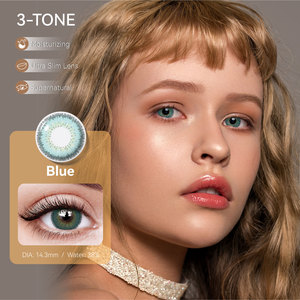
Non-Prescription Color Contact Lenses with Realistic and Vibrant Color Effects for Parties
Plano 0.00
Cast Molding
Vivid Tone
Sourced directly from our sterile production pipelines. Each batch undergoes multi-axis visual inspection, laser slit-lamp edge beveling, and full biocompatibility certification.
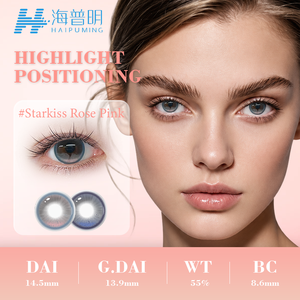
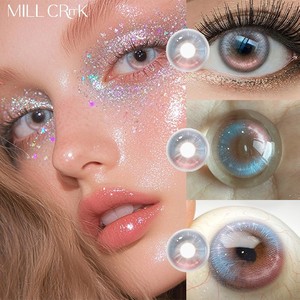
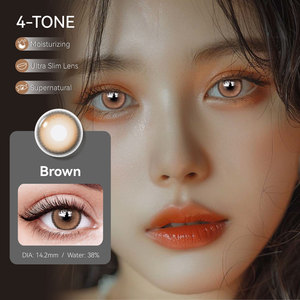
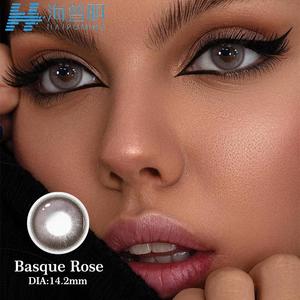
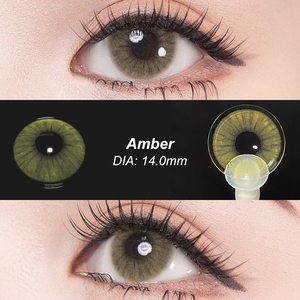
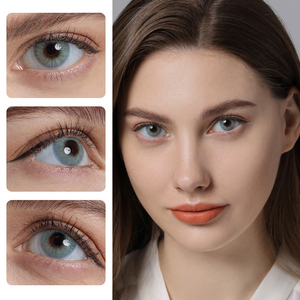
Non-prescription cosmetic lenses (0.00 diopter) are strictly classified as Class II or Class III medical devices across major jurisdictions (US FDA, EU MDR, China NMPA). Evaluating manufacturers demands clinical understanding of optical polymer physics and pigment safety.
Inferior suppliers print dyes directly onto the posterior lens surface, risking corneal micro-abrasion and pigment leeching. Tier-1 manufacturers utilize semi-cast or fully cast Sandwich Technology.
Cosmetic lenses require a balance between visual field clearance and cosmetic opacity. Specialized designs solve crescent-glare and rotation challenges.
Balancing water content with Dk/t (oxygen transmissibility) determines whether a lens meets compliance standards for extended daily cosmetic wear.
| Technical Specification | Tier-1 Regulated Contract Factory | Low-Cost Uncertified Workshop | Procurement Verification Method |
|---|---|---|---|
| Colorant Enclosure | Full 3-layer Sandwich Encapsulation | Single-surface Pad-printed / Exposed Dye | Solvent cotton bud abrasion & SEM cross-section |
| Edge Bevel Profiling | CNC Lathe-Cut or High-Precision Cast Mold | Rough Mold Shearing Edge (Sharp Flashes) | Slit-lamp projection & Edge-profile comparator |
| Oxygen Transmissibility (Dk/t) | ≥ 20–35 (HEMA) / ≥ 85 (SiHy) | < 10 (Impairs corneal respiration) | Polarographic oxygen permeability testing |
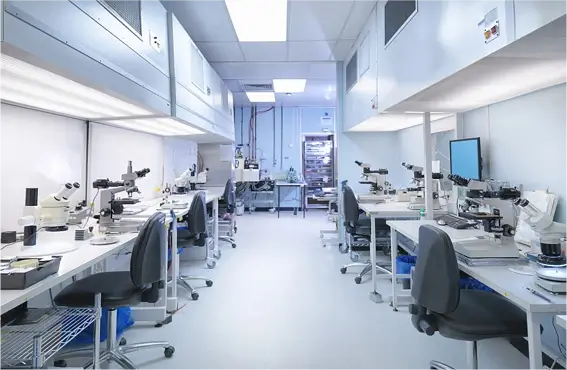
| Cleanroom Standards | ISO Class 7 & Class 8 / GMP Certified | Standard Non-classified Factory Area | On-site particle counter & bioburden audit |
| Packaging Integrity | Medical-grade PP blister with Tyvek foil / Vial | Poorly sealed vials, fluctuating saline volume | Dye penetration test & autoclave sterilization record |
Strategic purchasing managers must align their product roadmaps with consumer behavioral shifts and regulatory updates. Here is where the OEM/ODM contact lens landscape is moving.
Historically confined to corrective clear lenses, Silicone Hydrogel is rapidly claiming cosmetic share. High oxygen permeability reduces corneal hypoxia and redness, making lenses comfortable for 12+ hours during cosmetic, streaming, and retail shifts.
Buyers are retiring aggressive, opaque circle patterns in favor of bi-tonal and tri-tonal iris-mimicking micro-dots. Modern high-resolution dot matrices blend seamlessly with underlying dark irises without leaving unprinted gap rings.
Daily disposables (10-pack and 30-pack formats) are replacing annual wear cycles in western and Southeast Asian urban demographics. Concurrently, lightweight, recyclable polypropylene blisters lower global freight costs and carbon footprints.
Velalens operates automated production suites engineered to exceed the rigorous benchmarks expected by global distributors, optical retail chains, and private beauty labels. From computer-controlled monomer dosage to final steam autoclaving, we ensure uniform batch reproducibility.
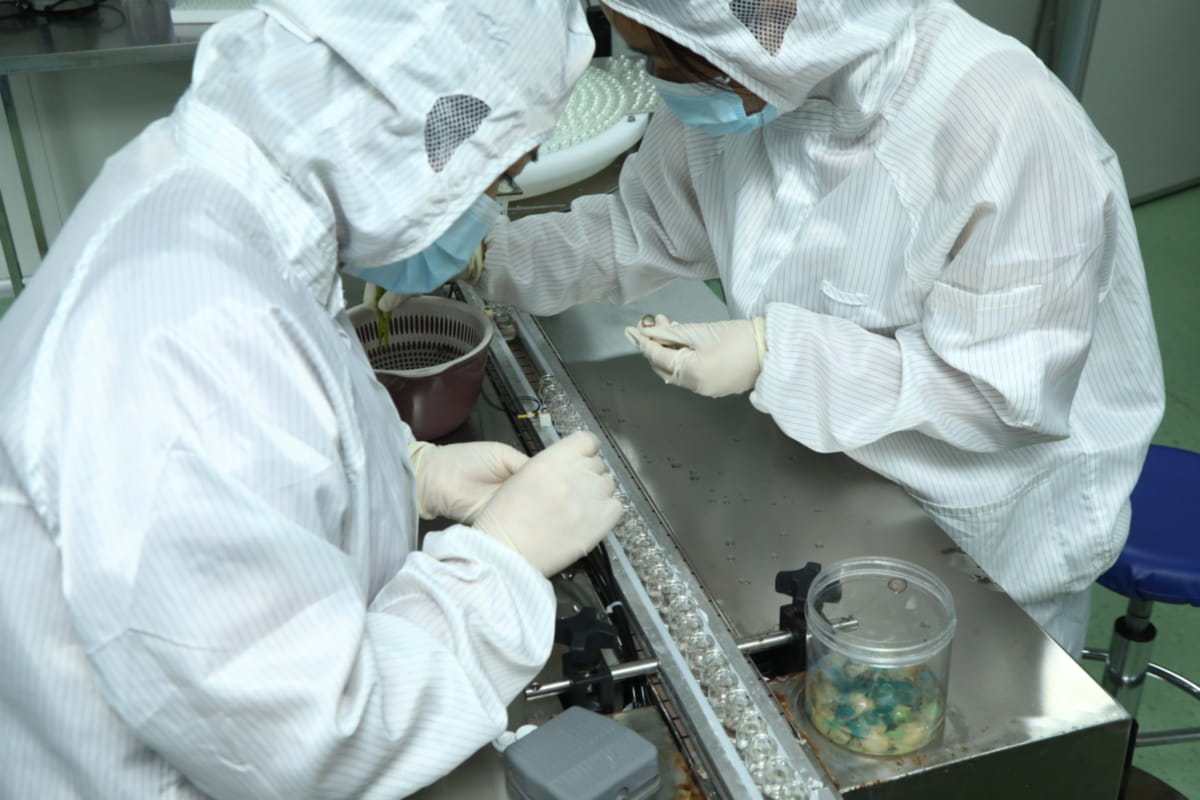
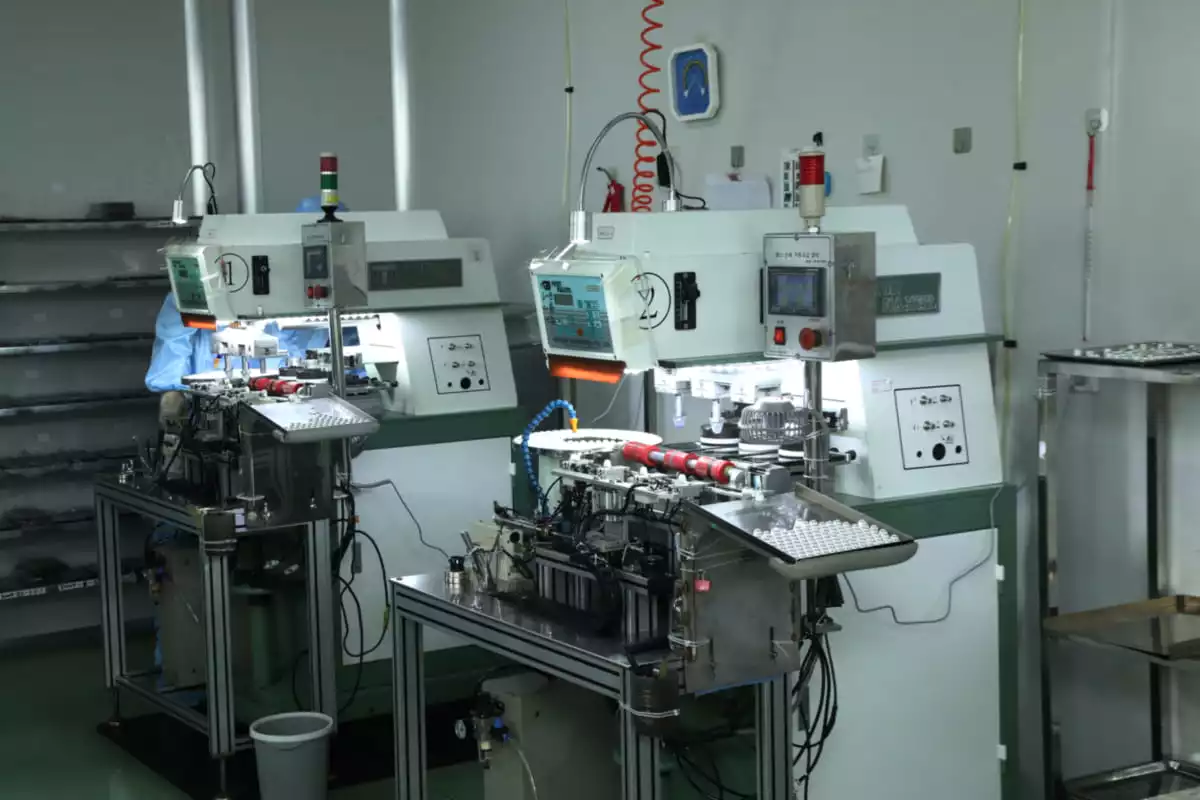
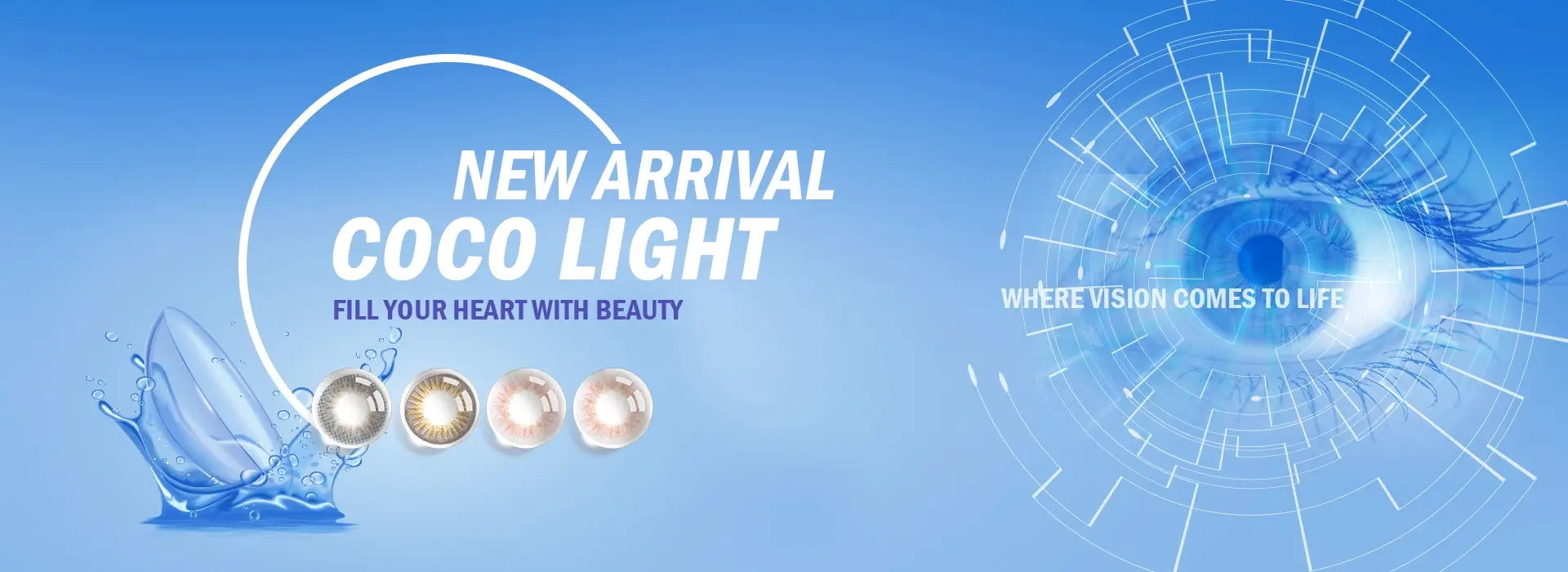
Transparent technical answers addressing regulatory compliance, custom pattern MOQs, sterilization certification, and import clearance.
Even with zero corrective diopter (0.00 power), any object resting on the corneal surface alters the ocular micro-environment and oxygen diffusion rate. Global authorities (including the US FDA and EU Notified Bodies) categorize plano cosmetic lenses under strict device directives to ensure sterility, non-toxicity, and tear-film stability.
For existing warehouse catalog patterns featuring your custom brand outer packaging, MOQs generally start at 300 to 500 pairs per colorway. Fully bespoke pattern creations requiring new steel injection mold plates or specialized printing matrix stamps typically require 3,000 to 5,000 pairs to amortize prepress setup costs.
Every commercial order is accompanied by Certificate of Analysis (COA) per batch, biological evaluation reports (ISO 10993 cytotoxicity, ocular irritation, systemic toxicity), sterility validation data, and detailed labeling files conforming to local jurisdictional requirements.
Color consistency is secured by automated digital pigment dispensing systems and spectral colorimeter checks under standard D65 illuminants. Each production batch is cross-matched against master color retention samples before hydration and foil sealing.
Standard catalog samples dispatch within 3 to 7 working days. Custom pattern prototyping takes 14 to 21 days. Full-scale production of private label orders takes approximately 30 to 45 calendar days, accounting for autoclave cycles, bioburden holding tests, and final packaging.
Yes. We offer medical-grade blister foil strips (1-pack, 2-pack, 10-pack formats) featuring ultra-sonic sealing and clean peel tabs, as well as classic glass vial formats with tamper-evident aluminum tear-off caps for optical retail environments.