Factory-Direct Product Portfolio & OEM Formulations
Directly sourced from sterile ISO 13485 facilities. Explore verified base configurations, custom multi-tone packaging, and high-precision mold engineering for private label distribution.
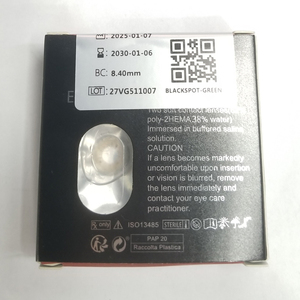 Private Label Packaging
Eyeshare Wholesale Personal Brand Lentes De Contacto Paper Box Free Design Custom Eye Lens Packing Box
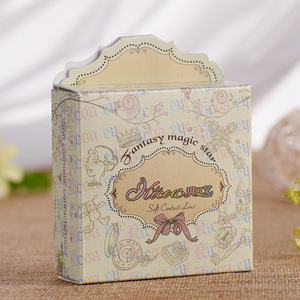 E-Commerce Mailer
Carton Customized Contact Lens Set White Cardboard Airplane Box Printing Cosmetics Contact Lenses Packaging
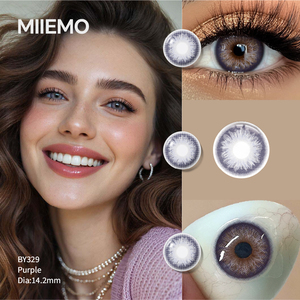 ISO 13485 Certified
DSC Purple Soft Color Contact Lenses Wholesale Power -1.00~-8.00 ISO 13485 Certified Half Year Use
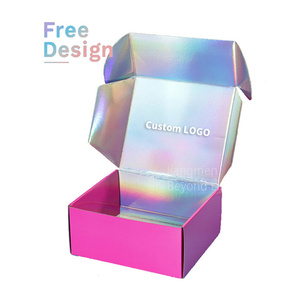 Gift Set Box
China Supplier Wholesale Luxury Gift PERFUME Contact Lens Paper Box
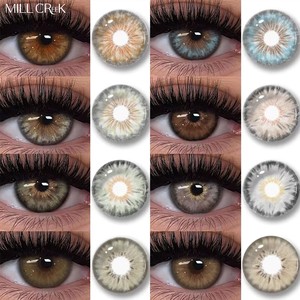 K-Beauty Series
Wholesale Three Tone Colored Contact Lenses Soft Korean Style Eye Lenses Haipurecon Makeup Fashion
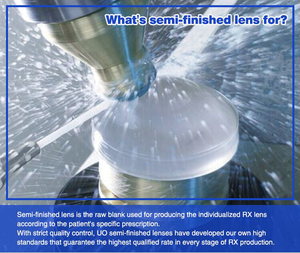 Optical Semis
2026 Hot Selling 1.499 Single Vision Polarized Lens Semi Finished Lenses Chinese Factory Direct Sales
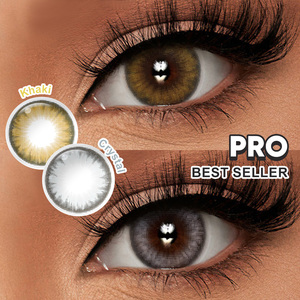 Pro Natural Series
Free Shipping Freshgo Colored Contact Lenses Pro Contact Lenses Cosmetic Soft Eye Lens Hazel Kontaktlinsen
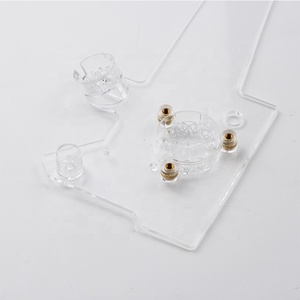 Tooling & Engineering
ISO Certified PC TPE Rubber Mold Machinery Hot&Cold Runner 1,000,000 Shots Life Medical Injection Molding
Manufacturing Authority: Engineering Safety Into Every Diopter
In modern ophthalmic manufacturing, cosmetic contact lenses are regulated as Class II or Class III medical devices. Contract manufacturing requires mastery over biological safety, optical centering, and hydrogel rheology.
Cast-Molding Sandwich Encapsulation
Older low-tier producers imprint dyes directly on the ocular interface. Premier manufacturers lock FDA-approved organic micro-pigments precisely between two clear polymer matrices using triple-layer cast molding. This guarantees that dyes never contact the corneal epithelium or tarsal conjunctiva, eliminating allergic blepharitis and pigment leaching.
Sub-Micron Edge Profile Precision
Corneal physiological health relies on continuous tear exchange under the contact lens during each blink. Utilizing sub-micron diamond lathe tooling and automated edge-buffing systems, our profiles feature a tapered ski-ramp edge. This hydrodynamic profile maximizes tear pumping, prevents limbal indentation rings, and ensures all-day comfort even in dry air-conditioned retail spaces.
Automated Optical Inspection (AOI)
Manual loupe inspections yield high operator fatigue and variable scrap rates. Our facilities utilize artificial intelligence optical imaging systems. Each lens is photographed in liquid suspension across 360 degrees to detect 10-micron defects including edge notches, pupil aperture misalignment, air inclusions, and pigment specks within 0.12 seconds.
Benchmarking the Top 10 Color Contact Lens Factories & Exporters
International optical brand directors, retail pharmacy chains, and beauty DTC consolidators use four core operational metrics to vet their primary Asian OEM/ODM partners.
| Assessment Pillar | Tier-1 Factory Benchmark (Global Top 10) | Mid-Tier Contract Manufacturer | Broker / Trading Reseller |
|---|---|---|---|
| Polymer Synthesis & Dk/t | Silicone Hydrogel (Dk/t > 80) & Poly-HEMA (Dk/t 15-28) in-house synthesis | Standard Poly-HEMA (Dk/t 8-12) sourced externally | No material formulation capability |
| Color Embedding Tech | Full cast-molding encapsulation (3-layer sandwich) | Surface printing with protective top-coat cure | Unverified pad printing brokers |
| Regulatory Dossiers | CE Under MDR (EU 2017/745), US 510(k), SFDA, CFDA, PMDA | Expired MDD CE certificates or domestic ISO only | Third-party certificates borrowed from vendors |
| Custom Private Label MOQ | 300 - 1,000 pairs / color with turnkey packaging design | 5,000 - 10,000 pairs / color minimum | High stock-lot quantities with no packaging changes |
| Production Cycle & Sampling | 3-7 days for stock sampling; 25-35 days for mass OEM run | 45-60 days standard delivery timeline | Unpredictable depending on factory batch allocation |
Launch Your Custom Formulation or Private Label Brand
Leverage our ISO 13485 cleanroom infrastructure, complete medical device master files, low MOQ trial programs, and full packaging design support for immediate market entry.
Product Evolution & Future Procurement Trends (2026–2030)
Global consumer demand is rapidly pivoting from high-opacity costume lenses toward natural aesthetic enhancements, silicone hydrogel comfort, and combined correction (presbyopia and astigmatism).
1. The Silicone Hydrogel Migration
Poly-HEMA has anchored cosmetic lenses for thirty years. However, forward-looking buyers are transitioning catalogs to Silicone Hydrogel (SiHy). Delivering oxygen transmissibility (Dk/t) exceeding 85 Barrer/cm, SiHy prevents chronic corneal hypoxia, limbal neovascularization, and redness during extended 14-hour daily wear. Forward procurement schedules must prioritize SiHy formulations to secure early market share in European and North American retail channels.
2. Astigmatism & Multifocal Cosmetics
Cosmetic lens consumers are aging into presbyopia, while roughly 32% of corrective lens wearers exhibit refractive cylinder (>0.75D astigmatism). Historically, colored contacts were restricted to plano or simple spherical myopia. Modern factories now produce Prism-Ballasted Toric Color Lenses and Center-Near Aspheric Multifocal Color Contacts, unlocking premium pricing and capturing underserved patient populations.
3. Graphic Realism & Sub-Dot Halftones
Opaque, harsh theatrical patterns are receding. Contemporary market demand centers on the "clean girl aesthetic" and hyper-natural iris blending. Advanced 1200 DPI laser photolithography allows manufacturers to print variable dot gradients with translucent limbal rims that allow the wearer's authentic iris pattern to illuminate through the design, creating realistic depth in natural daylight and close-up 4K media.
Regulatory Compliance: The Exporter's Defense Matrix
Import delays and customs seizures represent major risks in contact lens sourcing. A qualified exporter must deliver transparent, accredited regulatory portfolios for regional customs authority clearances.
European Union: MDR (EU 2017/745)
Under Annex XVI of the EU MDR, non-corrective (plano) cosmetic contact lenses are reclassified into Class IIa/IIb medical devices, subject to clinical evaluation and notified body audits equivalent to prescription lenses. Importing distributors must verify that factories have successfully migrated away from legacy MDD 93/42/EEC certifications to active MDR notified body approvals.
United States: FDA 510(k) & UDI
The US FDA classifies all decorative contact lenses as prescription medical devices requiring a cleared 510(k) premarket notification. Packaging must carry Unique Device Identification (UDI) barcodes, machine-readable lot numbers, and prescription verification pathways. Sourcing directly from an FDA-registered manufacturer protects importers from border detentions.
Middle East & GCC: SFDA Protocols
The Gulf region represents one of the world's highest per-capita expenditures on cosmetic contact lenses. Importers into Saudi Arabia and the UAE must comply with SFDA MDMA (Medical Device Marketing Authorization) registrations, bilingual Arabic-English label architecture, and stringent batch sterility test protocols.
Comprehensive Procurement FAQ: Answering B2B Sourcing Inquiries
Detailed technical and operational answers to common questions asked by supply chain managers, private label founders, and optical distribution teams.
What is the standard minimum order quantity (MOQ) for custom private label packaging versus existing stock colors?
For our catalog-standard colors with fully customized private label secondary packaging (including branded blister foil, custom retail paper boxes, package inserts, and barcode labeling), our minimum order quantity starts as low as 300 to 500 pairs per color variant. If your brand requires an entirely new proprietary print pattern, customized Graphic Diameter (G.DIA), or unique base curve geometry, initial mold tooling setup and photolithography printing plate fabrication typically require a launch run of 2,000 to 3,000 pairs across power increments.
How do you verify that pigments will not leach out during prolonged lens wear or storage in saline solution?
Every batch undergoes rigorous chemical and mechanical stability evaluations in accordance with ISO 18369 (Ophthalmic Optics - Contact Lenses). We conduct continuous 30-day accelerated extraction tests using organic solvents and simulated physiological tears, followed by high-performance liquid chromatography (HPLC) and spectrophotometric assays to verify zero pigment release. Additionally, cross-sectional transmission electron microscopy (TEM) confirms that color particulates remain encapsulated within the central hydrogel layer with no exposure to outer surfaces.
What are the lead times for custom sampling, mass manufacturing runs, and repeat replenishment orders?
Pre-production samples from our standard portfolio ship within 3 to 7 working days. Fully custom ODM color sample iterations generally require 15 to 20 working days for pad printing plate etching, lens casting, hydration equilibration, and autoclave sterilization. Once sample approvals and packaging box artwork are locked in, initial mass production runs average 30 to 40 days. Routine scheduled reorders for established client lines are delivered in 20 to 25 days, with safety-stock options available for annual supply contract partners.
What parameters should brands specify when choosing between daily, monthly, and yearly replacement modalities?
The selection depends on your brand positioning and target sales channels. Daily disposables (1-Day) represent the highest consumer hygiene standard and fastest-growing revenue segment, typically engineered with 55% water content Poly-HEMA or high-Dk Silicone Hydrogel for ultra-thin convenience in 10-lens or 30-lens packs. Monthly replacement strikes an optimal balance between affordability and hygiene, popular in optical chains. Half-year and yearly modalities remain top sellers in e-commerce and Latin American/Middle Eastern beauty markets, manufactured with denser 38% water content polymers designed for high tear durability and protein-deposit resistance.
Request Your Free Factory Evaluation Sample Kit
Evaluate our material softness, pigment registration, and sterile blister integrity first-hand. Contact our international export department today for samples, technical dossiers, and volume wholesale pricing.