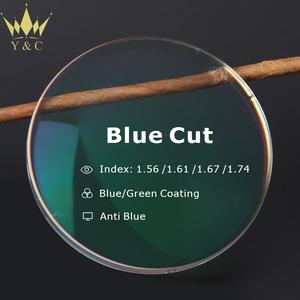
 Medical Cut
Factory-Direct Catalog
Featured Light Blue & Specialty Optical Lenses
Precision-molded colored contact lenses and medical optical blanks engineered to international biocompatibility and chromatic consistency standards.
Medical Cut
 UV400 Coating
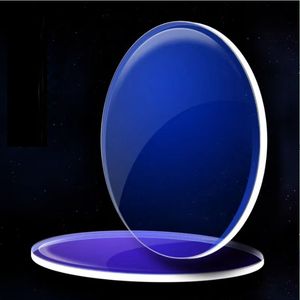 95% Transmittance
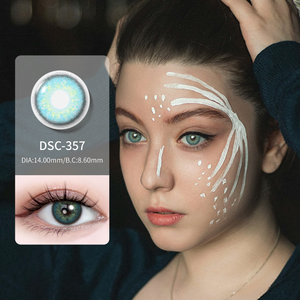 Vibrant Pigment
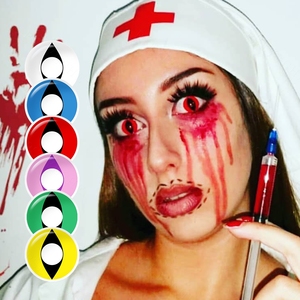 Wholesale Series
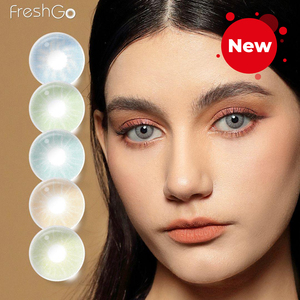 High Natural Blend
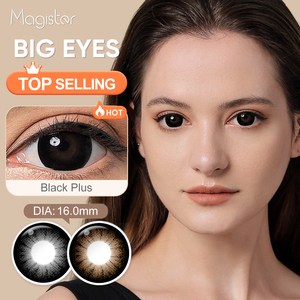 14.0mm-16.0mm
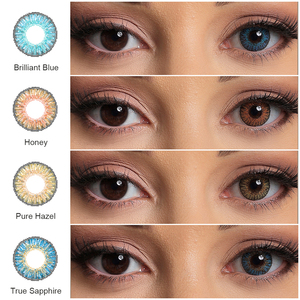 3-Tone Layering
100%
Micro-Sandwich Encapsulation
0.08 mm
Ultra-Thin Edge Contour Center
≥98%
Class-A Optical Transmittance
50+
Global Destined Export Markets
Clinical Precision in Cosmetic Tinting: Light Blue Pigment Matrix Formulation
Developing light blue contact lenses poses distinct optical and ocular challenges compared to darker tints such as chocolate brown or deep hazel. Because natural irises range broadly from deep brown to pale green, designing an authentic, striking light blue tint requires an intricate balance between chromatic opacity and optical transmittivity. Our factory integrates advanced micro-dot matrices that allow natural iris striations to show through while covering the underlying melanin without creating an artificial or cloudy pupil appearance.
From a physical manufacturing perspective, Velalens utilizes a proprietary Tri-Layer Cast Molding Technology. In this system, medical-grade inorganic colorants (phthalocyanine blue, titanium dioxide, and iron oxides) are precision-printed inside an inner layer between two layers of purified poly-HEMA hydrogel or silicone hydrogel. This ensures that pigments never come into contact with corneal tissue, satisfying rigorous clinical standards across North America, the European Union, and Asia-Pacific territories.
| Parameter Dimension | OEM/ODM Technical Tolerances | Clinical Significance |
|---|---|---|
| Base Curve (BC) | 8.50 mm – 8.70 mm (±0.05 mm) | Guarantees exact anatomical centering and reduces peripheral lens edge lift. |
| Diameter (DIA) | 14.00 mm – 14.50 mm (±0.10 mm) | Balanced to standard limbal dimensions, offering natural to enlargement effects. |
| Graphic Diameter (GDIA) | 13.00 mm – 13.80 mm | Optimizes cosmetic iris enlargement while preserving unobstructed peripheral field. |
| Water Content Range | 38% – 55% Hydrated | Balanced to maintain tear-film stability and limit end-of-day dehydration. |
| Center Thickness (CT) | 0.06 mm – 0.08 mm (@ -3.00D) | Maximizes direct Dk/t oxygen transmissibility throughout extended daily wear. |
Future Sourcing Trends: What Optical Importers & E-Commerce Brands Must Anticipate
Sourcing cosmetic soft lenses has moved beyond choosing static catalog colors. Global regulatory updates and shifting consumer habits require procurement officers to structure orders around three key market dynamics:
Shift Toward Daily Disposables (1-Day)
While yearly lenses remain widely used in theatrical and niche markets, high-margin cosmetic retail is shifting rapidly to daily disposable formats. Daily blisters reduce compliance issues, eliminate lens-care maintenance for consumers, and establish high-retention subscription models for direct-to-consumer private label brands.
Silicone Hydrogel (SiHy) Infiltration
Traditional hydrogel offers dependable wettability, but modern consumers demand extended wear comfort. Sourcing trends for 2026 and beyond prioritize high-Dk silicone hydrogel cosmetic lenses, delivering three to four times the oxygen permeability of standard HEMA to sustain healthy corneal physiology during 12+ hour wear cycles.
Dual-Function: Cosmetic + Blue-Cut Optical
With digital screen exposure expanding worldwide, cosmetic buyers increasingly expect functional ocular defense. Incorporating high-efficiency 400nm-420nm HEV blue-light absorption directly into the soft lens monomer matrix creates an effective, premium value proposition for cosmetic lenses.
Our Enterprise & Manufacturing Advantages
Velalens operates as a fully integrated contact lens developer and global exporter. Our production facilities and OEM services are tailored to lower the entry barriers for emerging beauty brands while offering enterprise scale to high-volume distributors:
Low MOQ Flexibility
Launch customized product lines without excessive capital commitments. We offer production runs starting from approximately 300 pairs per SKU for private label stock patterns, making market validation practical and low-risk.
Full Regulatory Dossier Support
Every batch comes with comprehensive technical documentation, including biocompatibility evaluations (ISO 10993), stability reports, sterilization validation, and material safety declarations to streamline import clearance.
Agile Sampling & R&D Turnaround
Standard color variations ship from our sampling cleanrooms within 3 to 7 business days. Custom ODM pattern printing plates and prototyping runs are completed in 2 to 3 weeks, keeping product development on schedule.
Frequently Asked Questions: Sourcing OEM/ODM Contact Lenses
How does your factory ensure the safety of color pigments inside the lens matrix?
We use an automated sandwich casting method where color pigment is completely encapsulated between a base optical polymer layer and an outer capping layer. Mechanical rub tests and chemical leaching assays confirm that zero colorant touches corneal epithelial tissue or the inner palpebral conjunctiva, preventing pigment leaching and mechanical friction injuries.
Can you provide custom packaging (blister foil, vials, outer cartons) with our brand identity?
Yes. We offer complete OEM packaging solutions. This includes high-barrier aluminum blister foil stamping, sterile glass vials, branded outer folding cartons, custom package inserts, and mandatory UDI / GTIN barcode integration that complies with import regulations in your target markets.
What is the typical production lead time for bulk private label shipments?
In-stock pattern private labeling typically completes production, sterilization, and secondary packaging in 3 to 4 weeks. Custom ODM formulations, new printing molds, or specialized prescription diopter distributions (-0.50D to -8.00D across multiple steps) generally require 4 to 6 weeks from final packaging artwork sign-off.
Do light blue contact lenses work effectively over naturally dark brown irises?
Yes. We produce designated high-opacity collections (such as our 3-tone layered prints and Hidrocor-inspired lines) formulated with high-density opaque titanium dioxide backings. These reflect incoming ambient light before it reaches deep brown melanin, creating a vibrant, natural light blue look without pupil vignetting.