Factory-Direct OEM/ODM Wholesale Contact Lens Series
High-demand cosmetic color designs and specialized retail merchandising solutions, engineered with advanced sandwich pigment encapsulation and precision edge profiling for immediate commercial distribution.
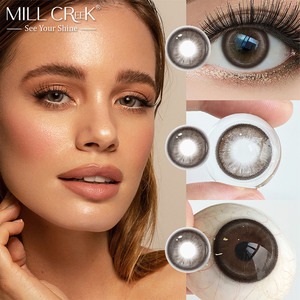 Yearly Wear
Bulk Natural Colored Contact Lenses 14.0mm 14.5mm 4 Soft Shades Yearly Disposable OEM ODM Factory Supply for Resellers
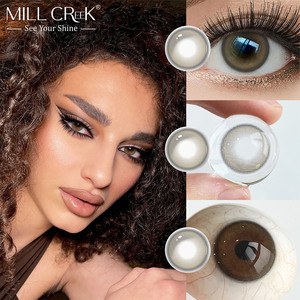 4 Soft Tones
Natural Colored Contact Lenses 14.2mm 14.5mm 4 Soft Shades Yearly Disposable Wholesale Oem Odm Factory Supply for Resellers
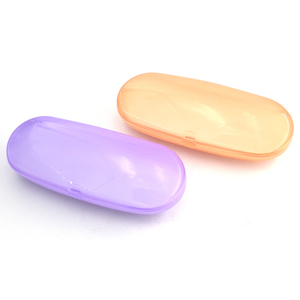 Custom Logo
Hot Selling Designs Color Lens Soft Customized Logo Contact Lenses
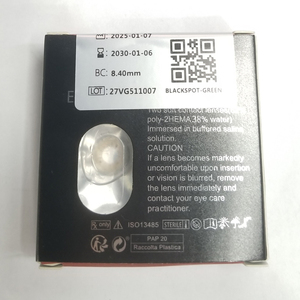 OEM Packaging
Eyeshare Wholesale Personal Brand Lentes De Contacto Paper Box Free Design Custom Eye Lens Packing Box Colored Contact Lenses
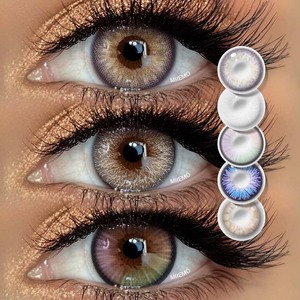 3-Tone Formula
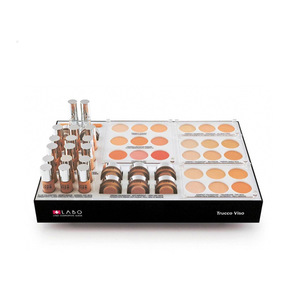 Retail POS
Vietnam Factory New Acrylic Makeup Display Stand Contact Lenses Acrylic Display Case Lipstick Acrylic Rack
 High Opacity
Rich Brown Contact Lenses 14.5mm Soft Eye Contacts
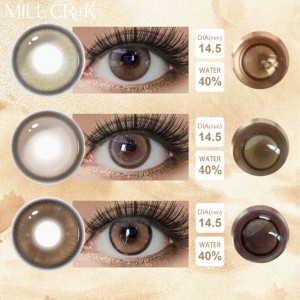 Factory Direct
Haipurecon 14.5mm Soft HEMA Material Colored Contact Lenses Cosmetic Contact Lenses New Brown Natural Style Factory Direct
Industrial-Scale Contact Lens Manufacturing Architecture
A detailed whitepaper evaluation of optical polymer formulation, sandwich micro-encapsulation, robotic cast-molding systems, and medical-grade regulatory adherence.
Sandwich Encapsulation: Absolute Physiological Safety
In traditional decorative contact lenses, surface printing processes expose the corneal epithelium and palpebral conjunctiva to raw micro-pigments, risking mechanical abrasion, toxic dye leaching, and inflammatory cellular reactions. At our cleanroom manufacturing base, every colored lens is fabricated through an automated Triple-Layer Sandwich Micro-Encapsulation Process.
FDA-approved inorganic bio-pigments are hermetically sealed between two inert layers of hydrophilic polymer (Poly-HEMA or Silicone Hydrogel). As proven through rigorous rub-off abrasion testing and gas chromatography elution assays, colorants never come into physical contact with human ocular tissue or tear fluids.
This microscopic architecture guarantees complete oxygen transmissibility channels through the polymer matrix, preserving physiological corneal metabolism and preventing hypoxia-induced neovascularization.
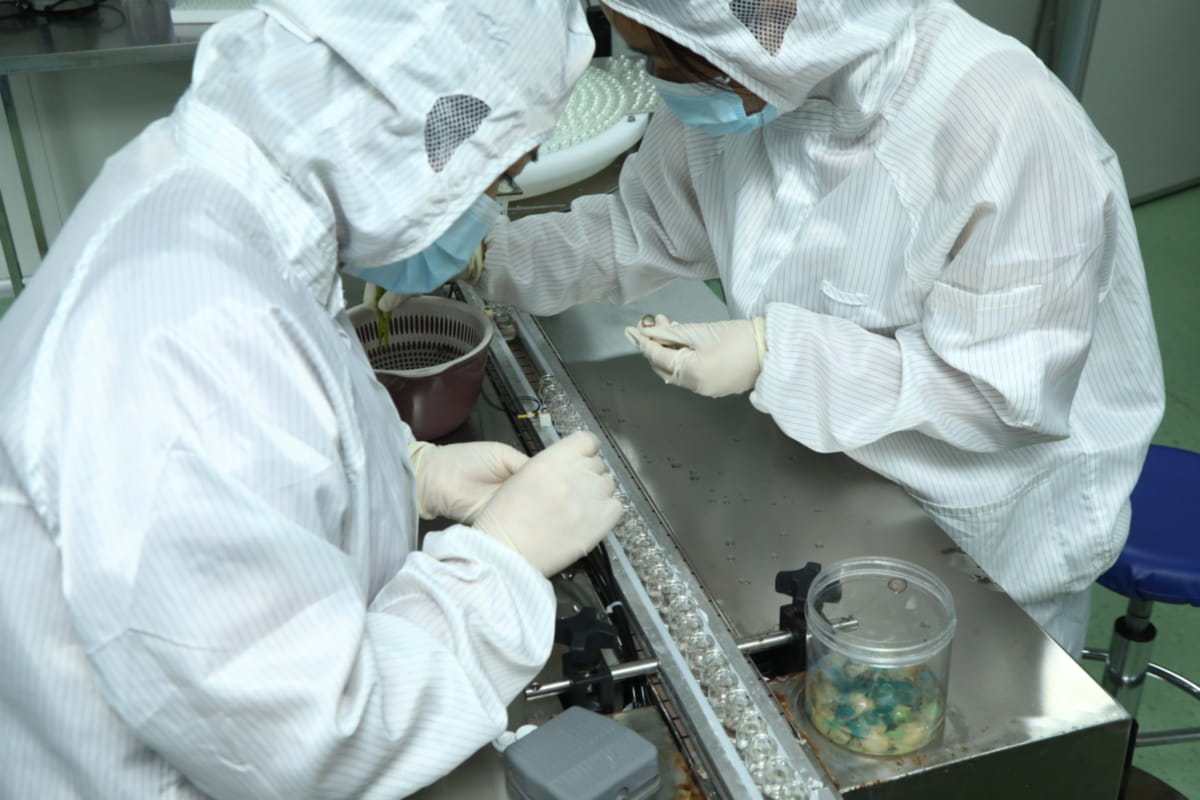
Automated Cast-Molding Precision
Our facilities utilize precision diamond-turned ultra-high-accuracy steel inserts and optical nano-molds. Computer-controlled liquid monomer dispensing eliminates micro-bubbles and edge flaring, ensuring geometric repeatability within ±0.01mm for diameter and base curves across multimillion-unit production runs.
Profilometer-Inspected Edge Profiling
Every lens edge is formed with a specialized tapered radial bevel contour. By reducing peripheral thickness and easing tear-film meniscus exchange during continuous blinking, our lenses dramatically reduce foreign-body sensation and limbal hyperemia, elevating wearer retention rates for private label brands.
Medical Device Regulatory Audit Readiness
All facilities operate under rigorous ISO 13485:2016 quality management systems and cGMP standards. We provide distributors with comprehensive technical dossiers (STED), biocompatibility data (ISO 10993), stability challenge studies, and autoclave sterilization records to streamline domestic registrations (FDA, CE MDR, NMPA, SFDA).
OEM/ODM Material & Parameter Matrix
Comprehensive optical and physical configurations available for contract manufacturing, supporting plano cosmetic beauty series to high-order prescription corrections.
| Polymer Category | Material Formulation | Water Content (%) | Oxygen Permeability (Dk) | Available Wearing Modalities | Prescription Scope |
|---|---|---|---|---|---|
| Hydrophilic Standard | Poly-HEMA (2-Hydroxyethyl Methacrylate) | 38% – 42% | 9.5 – 12.0 × 10⁻¹¹ | Daily / Monthly / 6-Month / Yearly | Plano 0.00 to -8.00 D |
| Enhanced Hydration | HEMA + NVP / GMA Co-polymers | 45% – 55% | 14.0 – 18.0 × 10⁻¹¹ | Daily Disposable / Monthly | Plano 0.00 to -10.00 D |
| Next-Gen Breathable | Silicone Hydrogel (Filcon II Formulation) | 45% – 48% | 65.0 – 85.0 × 10⁻¹¹ | Daily / Monthly Replacement | Plano 0.00 to -12.00 D (Toric Optional) |
| Bespoke Packaging | Polypropylene Blisters / USP Type I Glass Vials | Saline + HA/Poloxamer Buffer | Steam Autoclaved (121°C) | 1-Pack / 2-Pack / 10-Pack Box Kits | Full Custom OEM |
2025–2030 Global Sourcing & Technology Trends
Actionable procurement foresight for beauty conglomerates, brand incubators, and medical ophthalmic distributors preparing for market disruption.
1. Accelerating Transition to Daily Disposables
While annual replacement cycles historically dominated emerging markets due to end-consumer affordability, procurement budgets are decisively reallocating toward Daily Disposables (1-Day SiHy & Hydrogel). Driven by ophthalmologist recommendations, hygiene consciousness, and zero-maintenance convenience, daily blister packs deliver higher recurring lifetime value (LTV) for e-commerce direct-to-consumer (D2C) brands. Our factory supports high-speed blistering lines running 10-lens and 30-lens retail cartons.
2. Natural Iris Sub-Micro Dot Patterns
Consumer preferences have pivoted away from harsh, uniform "cosplay" rings toward hyper-realistic, translucent multidimensional iris aesthetics. Advanced ODM demands incorporate sub-micro dot matrix printing where irregular radial crypts, variable-density limbal fading, and multi-chromatic hazel/gray undertones blend naturally with dark Asian and Middle Eastern irises without blocking central pupil vision.
3. Stricter International Medical Device Governance
The regulatory enforcement of the European Medical Device Regulation (EU MDR 2017/745) and stringent US FDA Unique Device Identification (UDI) mandates have disrupted grey-market suppliers. Professional buyers now mandate that manufacturing partners possess full traceability, validated microbiological sterilization records, and biocompatibility documentation to avoid severe import seizures and distributor liabilities.
4. Hybrid Functional Color Lenses (Toric & Multifocal)
Astigmatism and presbyopia corrections are no longer restricted to clear clinical contact lenses. Emerging ODM programs integrate prism-ballast stabilization zones and concentric near-distance optical fields into cosmetic print geometries. This enables brands to capture high-margin optical demographics that were historically excluded from the decorative lens boom.
5. Sustainable & Compact Packaging Solutions
Environmental accountability is driving demand for recyclable polypropylene blisters, lightweight foils, and reduced-plastic tertiary paper packaging. Our supply chain integrates FSC-certified outer carton stocks, soy-based inks, and automated high-density blister cartoning that shrinks international freight volume by up to 28%, significantly lowering air cargo expenditures.
Turnkey Private Label Sourcing Roadmap
From chromatic design conception and clinical prototyping to sterile automated packaging and customs documentation.
Design Brief & Optical Target
The client provides iris concept artwork, color benchmarks (Pantone/RGB), desired graphic diameter (G.DIA 13.0mm–14.2mm), base curve, water content, and targeted market regulatory standards.
Tooling & Rapid Sampling
Our optical lab produces high-precision pad printing plates and trial mold cavities. Pre-production trial batches are dispatched within 7–14 days for optical profiling and on-eye cosmetic approval.
Automated Cast-Molding
Upon design freeze, production commences in Class 100,000 cleanrooms. High-speed robotics handle monomer injection, thermal polymerization, demolding, and continuous multi-stage hydration.
100% Optical & Visual QC
Every individual contact lens undergoes high-resolution CCD camera edge analysis, diopter verification, center-thickness testing, and manual projection inspection under high optical magnification.
Sterilization & Packaging
Lenses are hermetically sealed into sterile buffered saline blisters or medical-grade vials, followed by high-pressure steam sterilization at 121°C for 20 minutes to achieve a Sterility Assurance Level (SAL) of 10-6.
Global Logistics & Clearance
Complete Certificate of Analysis (COA), sterilization release certificates, material declarations, and international freight documentation are supplied for streamlined port clearance.
Frequently Asked Questions by Wholesale Sourcing Teams
Clear, direct answers regarding minimum order quantities, private label compliance, formulation customization, and logistics lead times.
Q What is the standard Minimum Order Quantity (MOQ) for custom private label packaging?
For catalog stock designs utilizing custom branded blister lidding foils and customized retail paper boxes, our entry MOQ begins at 300 to 500 pairs per color. If your brand requires a completely bespoke iris design involving unique printing plate fabrication and proprietary color mixing, trial production runs typically begin at 1,000 pairs per SKU to amortize plate development and cleanroom changeover overhead.
Q How do you guarantee that colored pigments will not irritate the wearer's cornea?
We employ an automated sandwich encapsulation molding technique where non-toxic, medical-grade inorganic colorants are embedded between two layers of clear Poly-HEMA or Silicone Hydrogel polymer matrix. The pigments remain completely isolated from the eye surface and eyelids. Our production lots pass ISO 10993 cytotoxicity, systemic toxicity, and ocular irritation safety evaluations with zero migration detected.
Q Can you provide technical registration dossiers for local medical device authorities?
Yes. As an ISO 13485:2016 and GMP-certified medical device manufacturer, we furnish international importers with complete Common Submission Dossier templates (CSDT / STED). This encompasses aging stability reports, packaging integrity burst test results, biocompatibility studies, sterilization validation dossiers (ISO 17665), and clinical literature evaluations required for CE MDR, US FDA 510(k), and national health authority filings.
Q What are the distinct advantages of Silicone Hydrogel compared to traditional HEMA lenses?
Standard Poly-HEMA lenses transmit oxygen primarily through water content (Dk 8.5–12), which can lead to end-of-day eye fatigue and dry eye sensation as water evaporates from the matrix. Silicone Hydrogel (SiHy) incorporates siloxane macromers that allow molecular oxygen to diffuse directly through the material matrix (Dk 65–85+). This delivers 4 to 6 times greater oxygen transmissibility to the cornea, ensuring enhanced comfort for extended daily wear schedules.
Q What is the standard production timeline from sample sign-off to bulk order dispatch?
Stock catalog designs with private label packaging can be fully fabricated, sterilized, inspected, and packed within 20 to 30 business days. Custom ODM pattern formulation and prototype sample dispatch require 7 to 14 days. Repeat replenishment orders are typically expedited within 15 to 20 days through our raw material buffer stocking program.
Q Do you manufacture prescription powers, toric lenses for astigmatism, or multifocal optics?
Yes. While plano (0.00 diopter) cosmetic lenses constitute high volume in beauty channels, our precision automated lathe-cutting and cast tooling can manufacture corrective powers ranging from -0.50D to -10.00D (in 0.25D or 0.50D increments). Toric cosmetic lenses with customized cylinder (-0.75 to -2.25) and axis orientations, as well as center-near multifocal optics, are available under dedicated OEM programs.
Launch or Expand Your Branded Contact Lens Portfolio
Partner with an internationally certified OEM/ODM manufacturing factory. Request our master color swatch book, sample evaluation kit, technical compliance files, and volume pricing matrices today.