Verified Medical Device Manufacturer & Cleanroom Facility

OEM/ODM Contact Lens Manufacturers & Factories

Global contract manufacturing of certified HEMA, Silicone Hydrogel, and cosmetic color contact lenses engineered for private labels, retail brands, and optical importers.

100% In-Line Optical Inspection
Class 100k Cleanroom Synthesis
ISO/CE 13485 Medical Compliance
≥ 300 Pairs Flexible Private Label MOQ
Enterprise Procurement Portfolio

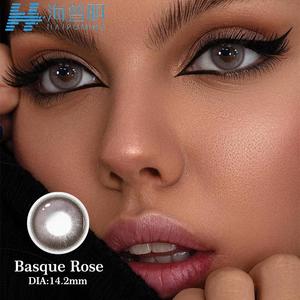
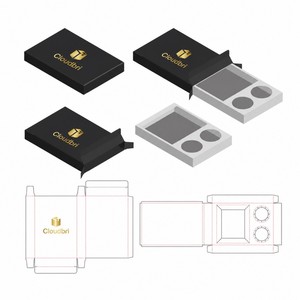
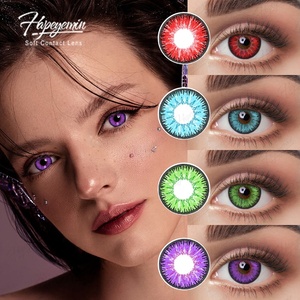
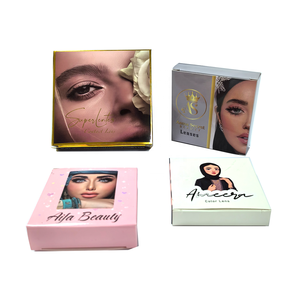
Featured OEM/ODM Contact Lens Series & Machinery

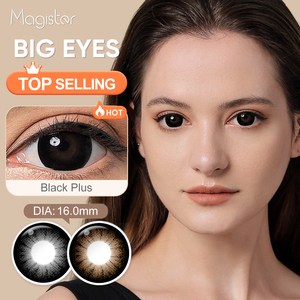
Explore our production-ready cosmetic lenses, semi-automated medical packaging lines, and brand-tailored accessory solutions developed under strict medical quality management systems.

Manufacturing Engineering & Clinical Safety

Medical Grade Integrity Behind Modern Cosmetic Contact Lenses

In contrast to standard consumer novelties, cosmetic and corrective contact lenses operate as Class IIa/Class IIb regulated medical devices worldwide. Our precision infrastructure integrates cast-molding biophysics, micro-pigment encapsulation, and stringent ocular surface compatibility.

3-Layer Micro-Encapsulation ("Sandwich" Method)

Color pigments are permanently embedded inside internal polymer hydrogel sheets, isolating heavy metal compounds and organic colorants from physical contact with corneal epithelial tissues or the palpebral conjunctiva.

Cast Molding & Dual-Surface Lathe-Cutting

High-speed automated cast-molding matrices provide optical center-thickness uniformity down to ±0.005mm, eliminating localized aberrations, premature prism displacement, and asymmetric edge-lift discomfort.

Optimized Dk/t Permeability & Water Balance

Formulated using high-purity hydrophilic 2-HEMA and Silicone-Hydrogel copolymers that ensure transmissible oxygen flow exceeds Holden-Mertz criteria, actively mitigating corneal hypoxia and neovascularization risks.

Automated Dual-Camera AOI Lens Sorting

Every blistered unit undergoes machine vision optical screening. Computerized imaging identifies peripheral edge burrs, particulate inclusions, decentered graphic diameter (GDIA), and microscopic pinholes automatically.

Full Export Documentation & MDR Readiness

Every manufacturing batch delivers comprehensive technical dossier backing: biological safety evaluation (ISO 10993), accelerated shelf-life verification, USP sterility metrics, and clear trace packaging lot controls.

Turnkey Device-to-Market Ecosystem

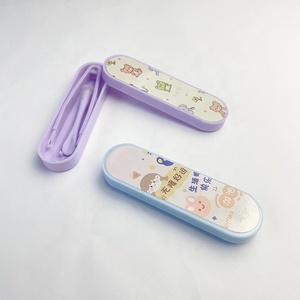
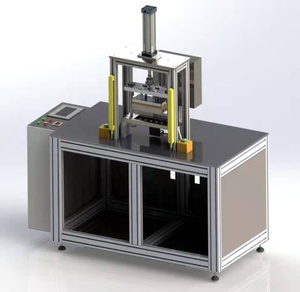
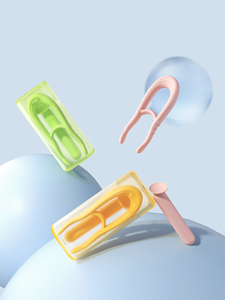
Beyond optical hydrogels, we integrate complete industrial automation lines including PP cup blister thermal sealers, secondary packaging lines, sterilized medical tweezers, and regulatory insert production under one roof.

Enterprise Process Control

Step-by-Step OEM/ODM Manufacturing Pipeline

From digital iris color separation to final terminal autoclave cycle, our production stages guarantee batch-to-batch color repeatability and absolute physical safety.

PHASE 01

Optical & Iris Engineering

Multi-tone color layering (1-tone to 4-tone), graphic diameter (GDIA 13.0mm–14.5mm) modeling, and power matrix calculation.

PHASE 02

Cast Molding & Pad Print

Micro-injection of bio-safe pigments, followed by clear barrier sandwich polymerization in optical molds under vacuum.

PHASE 03

Hydration & Extraction

De-molding and gradual saline hydration to reach equilibrium water content (38%-55%), flushing unreacted monomers.

PHASE 04

Automated Packaging

PP blister bowl sealing with sterile buffered saline solutions, heat-sealed with medical peel foils for 5-year hermetic barrier.

PHASE 05

Steam Autoclave Sterilization

Terminal sterilization at 121°C moist heat cycles under strictly verified F0 thermal exposure standards ensuring sterility assurance level (SAL 10^-6).

Procurement Due Diligence

Frequently Asked Sourcing & Compliance Questions

Clear technical, regulatory, and logistics answers for wholesale buyers, brand builders, and medical device compliance directors.

What are the realistic Minimum Order Quantities (MOQ) for custom private label contact lenses?
For existing, factory-validated cosmetic patterns with custom brand foil packaging, minimum run volumes start at approximately 300 to 500 pairs per shade. For entirely bespoke graphic designs requiring new pad printing plates, custom optical diameters, or specialized base curves (BC), production runs typically require 2,000 to 5,000 pairs to amortize tooling, mold calibration, and automated vision system programming costs.
How do you guarantee that color pigments never leech or touch the human cornea?
All our cosmetic contact lenses are produced exclusively via double-sided cast-molding encapsulation (commonly designated as "sandwich technology"). The biocompatible pigment matrix is enclosed between two identical layers of polymer hydrogel material. Before shipment, batch lots are subjected to mechanical rub tests and chemical solvent extraction testing to certify zero surface pigment migration according to ISO 18369 physical testing protocols.
Which regulatory documentation sets are supplied to clear customs and secure national health registration?
We provide full technical documentation dossiers (CE Class IIa / ISO 13485:2016 audited facilities). Standard export compliance packages include Certificates of Analysis (COA) per SKU, ISO 10993 cytotoxicity and ocular irritation safety files, sterilization validation reports (ISO 17665 steam sterilization), stability testing protocols for 5-year expiration claims, and Certificate of Free Sale (CFS).
Can you support prescription ranges, astigmatic toric lenses, and multifocal cosmetic patterns?
Yes. Our tooling matrices support plano (0.00 D) cosmetic enhancement alongside spherical corrective powers from -0.50 D to -10.00 D (in 0.25 D and 0.50 D steps) and positive hyperopic powers up to +4.00 D. For selected product series, we manufacture prism-ballasted toric cosmetic lenses for astigmatism correction and center-near aspheric multifocal cosmetic lenses for presbyopic wearers.
What are the typical cycle lead times for OEM prototype development versus mass replenishment?
Standard warehouse stock samples for clinical fit evaluations ship within 3 to 7 business days. Custom design proofing—including pad printing trial plates, trial blister packaging, and chromatic matching—takes 2 to 3 weeks. Full commercial mass production of private-labeled orders averages 4 to 6 weeks, structured according to blister sealing, high-pressure autoclave queueing, and final sterility release testing.

Launch Your Certified Private Label Contact Lens Line

Partner directly with an auditable medical lens factory. Connect with our contract manufacturing specialists for technical parameters, graphic pattern decks, and volume quotation tiering.

Send an Inquiry