Direct Factory
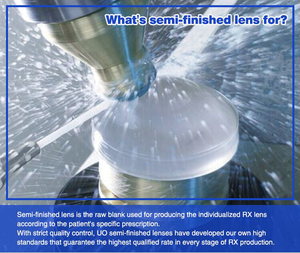
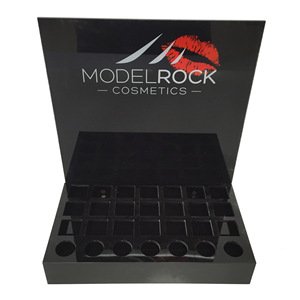
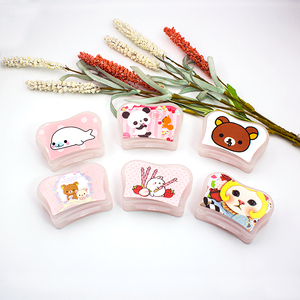
Explore our flagship product matrix designed for scalable brand deployment. From daily silicone hydrogels to specialized optical retail fixtures, our end-to-end lines empower distributors to capture market share with verified biocompatibility and premium aesthetic performance.
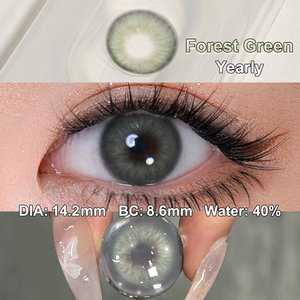
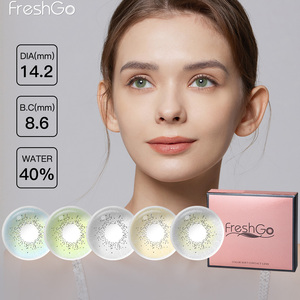
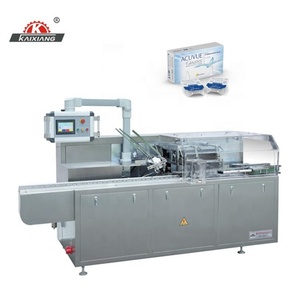
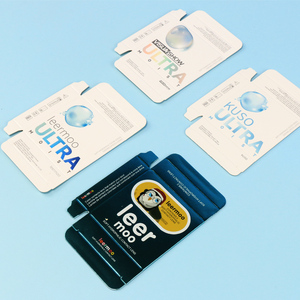
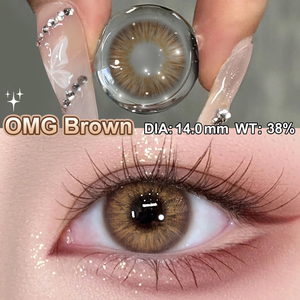
At Velalens Technology, our custom OEM/ODM manufacturing facilities operate under strict ISO Class 7 and Class 8 cleanroom environments. We eliminate the systemic defects common in decorative lenses through automated cast-molding, sub-micron layer registration, and laser-guided visual metrology.
We embed micro-pigments precisely within the center layer of the hydrogel or silicone hydrogel matrix. Colorants never make contact with the epithelial cells of the cornea or the palpebral conjunctiva, completely preventing allergic keratopathy, abrasive mechanical trauma, and color degradation.
Utilizing patented precision mold lathe polishing, our lenses feature smooth, tapered edge geometries that promote constant tear exchange beneath the lens. This decreases conjunctival indentation and foreign-body sensation across 12-hour continuous wear cycles.
In-line blister integrity testing guarantees 100% seal hermeticity. High-speed automatic cartoning lines integrate lot variable inkjetting, tamper-evident labeling, and multi-lingual regulatory patient leaflets at speeds exceeding 120 packs per minute.
Strategic buyers must navigate shifts in consumer wear patterns, ocular hygiene awareness, and ophthalmic prescription integration to maintain competitive shelf velocity.
While 6-month and yearly lenses continue to dominate emerging retail regions due to nominal cost-per-wear, North American and European demographics are rapidly standardizing on Daily 1-Day Disposables. Eliminating daily cleaning compliance reduces microbial contamination by over 87%.
Traditional 2-HEMA polymers suffer from oxygen transmission ceilings (typically 15–25 Dk/t). Our next-gen fluoro-silicone macromers unlock 80–130+ Dk/t, avoiding limbal hyperemia and corneal edema during prolonged digital device usage.
Cosmetic enhancement is no longer restricted to plano wearers. OEM development in prism-ballasted toric designs and simultaneous-vision center-near multifocal optics allows distributors to target high-margin optical retail consumer segments over 40.
| Technical Parameter | Standard Hydrogel Range | Advanced Silicone Hydrogel | Procurement Note |
|---|---|---|---|
| Base Curve (BC) | 8.40 mm – 8.70 mm (±0.05 mm) | 8.50 mm – 8.80 mm (±0.03 mm) | Matched against target regional corneal topography surveys. |
| Total Diameter (DIA) | 14.0 mm – 14.5 mm | 14.1 mm – 14.3 mm | Graphic diameter (G.DIA) custom tunable from 12.8 mm to 13.8 mm. |
| Water Content | 38% – 42% (Low hydration stability) | 45% – 55% (High oxygen hydration) | Formulated to balance on-eye dehydration resistance. |
| Oxygen Transmissibility (Dk/t) | 18 – 28 × 10-9 | 85 – 138 × 10-9 | Silicone recommended for premium tier private label brands. |
| Diopter Range (Power) | Plano (0.00) to -8.00D (-0.25D / -0.50D steps) | Plano (0.00) to -10.00D (+Toric/Multifocal) | Custom prescription expansion available upon mold validation. |
| Pigment Encapsulation | Double-sandwich print casting | Internal matrix copolymerization | Passes 100% mechanical friction swab safety standards. |
When procuring custom OEM colored contact lenses at commercial scale, purchasing directors must systematically de-risk international supply chains across compliance, QC thresholds, and design ownership.
Always demand raw material extractables testing, cytotoxic safety assays (ISO 10993-5), and real-time accelerated aging shelf-life reports. OEM factories must provide complete Technical Documentation (TD) files to satisfy local Ministry of Health requirements.
Aesthetic failure occurs when dot matrix printing appears pixelated under direct conversational light. Our high-resolution stochastic printing uses dot clusters under 25 microns, mimicking authentic human iris stroma and limbal transition gradients.
Mitigate working capital risk by demanding hybrid manufacturing agreements: utilize verified stock mold bases for initial runs (MOQ ~300 pairs) to test color adoption, scaling to bespoke patented pattern plates as order frequency stabilizes.
Direct answers to the most common technical, regulatory, and supply chain questions encountered by optical buyers and brand managers.
Partner with an audited OEM factory offering cleanroom precision, regulatory registration dossiers, flexible MOQs, and proprietary micro-encapsulation safety. Connect directly with our engineering and export team to request wholesale catalog sheets, spec samples, or custom quotes.