Novelty / PP Decor
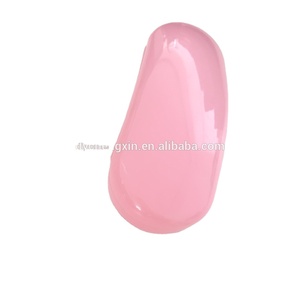
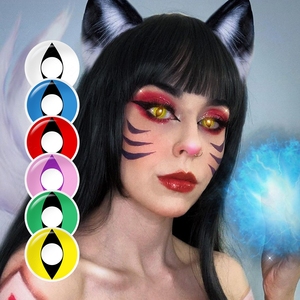
Custom Logo Cartoon Rectangle PP Material Contact Lenses
- Base Material: Medical Polypropylene
- Application: Decorative / Cosplay
- Color Depth: Solid Contrast Green
Manufactured under ISO 13485 cleanroom protocols with micro-dot layering designed to naturally blend over dark irises. Select an SKU below to review specifications or initiate bulk sampling.
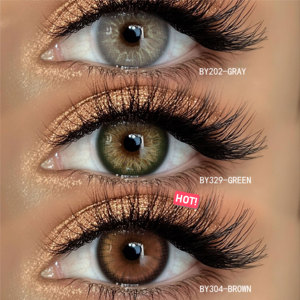
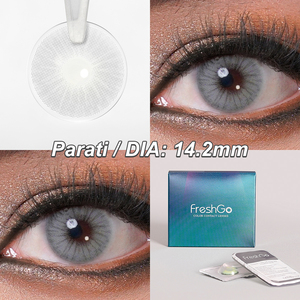
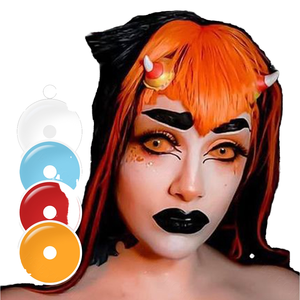
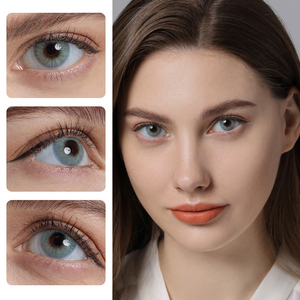
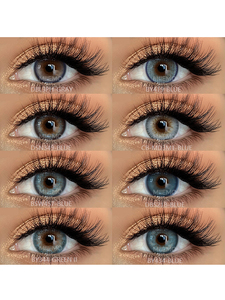
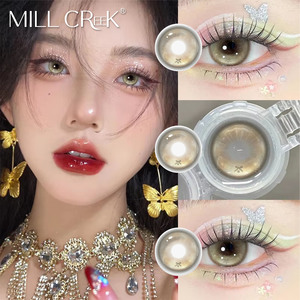
For more than a decade, cosmetic contact lenses faced customer friction due to the artificial, "flat" appearance of legacy monocolor prints. In early colored lenses, monochromatic emerald pigments produced an unnatural finish that failed to blend with dark human irises. Today's commercial success in green colored contacts relies on bio-mimetic micro-dot architecture and sophisticated radial color transitions.
Modern Chinese contract manufacturing has transitioned completely from basic surface pad printing to multi-layer sandwich casting. By deploying semi-translucent olive, jade, hazel, and moss pigments layered between biocompatible poly-HEMA or silicone hydrogel substrates, modern lenses simulate the natural crypts, furrows, and collarette structures of human eyes.
As global beauty standards favor nuanced, daylight-authentic color transitions over dramatic theatrical saturation, natural green tones—including hazel-greens, muted sage, and limbal-ring-accented forest greens—have become the highest-converting SKUs across North America, the European Union, and the Middle East.
Strategic insights for procurement directors, medical distributors, and direct-to-consumer brand founders navigating the changing landscape of cosmetic contact lens manufacturing.
While traditional 38% HEMA hydrogel remains cost-effective for yearly replacement schedules, institutional buyers are shifting toward third-generation silicone hydrogels (SiHy). Delivering oxygen transmissibility rates exceeding 80–100 Dk/t, SiHy substrates virtually eliminate corneal hypoxia symptoms during long daily wear.
Hygiene-first customer demographics are driving rapid volume expansion in 10-pack and 30-pack daily disposables. Brands are reducing product liability, cleaning regimen friction, and biofilm buildup by switching consumer habits away from annual vials toward fresh single-day blister packaging.
Cosmetic lenses are no longer exclusively plano (zero power) or simple spherical myopia corrections. High-margin growth now lies in custom toric designs for astigmatism and progressive concentric multifocals that merge vision correction with cosmetic enhancement.
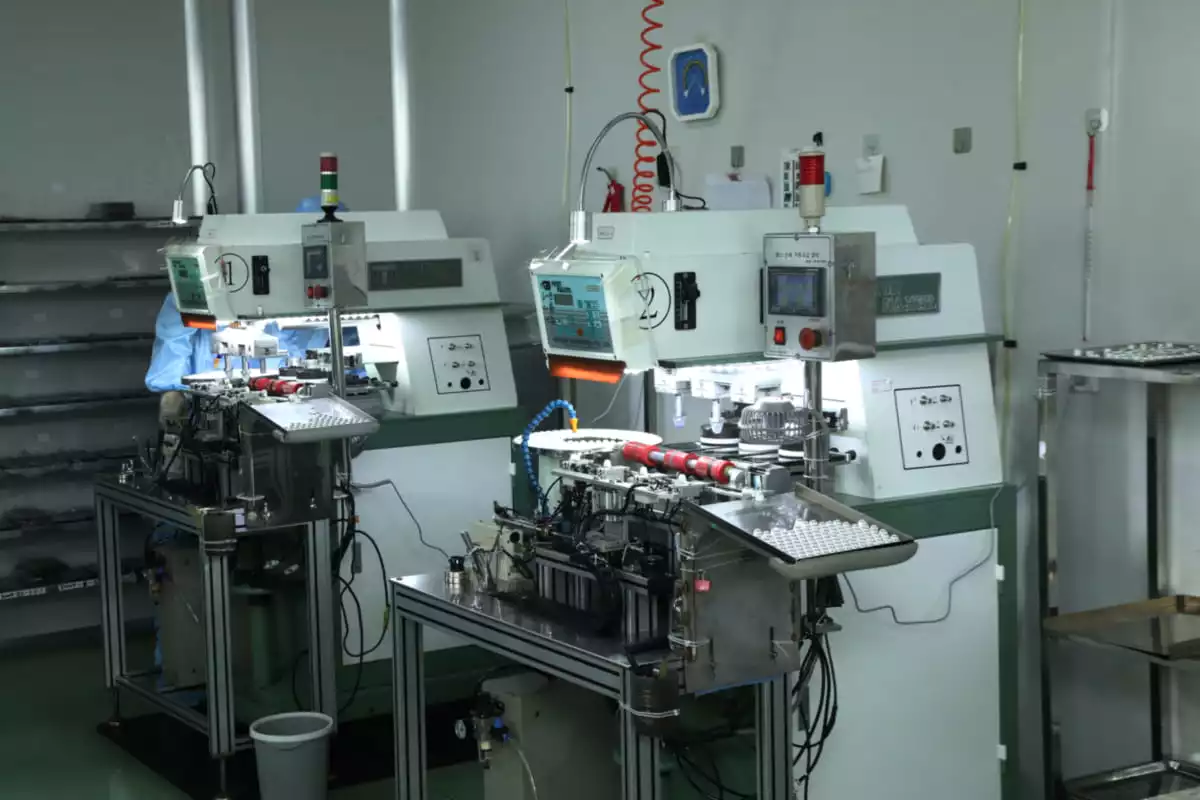
Eye safety is the paramount requirement in colored contact lens manufacturing. Inferior cosmetic lenses manufactured with surface stamp-printing risk pigment leaching, ocular irritation, and corneal micro-abrasions.
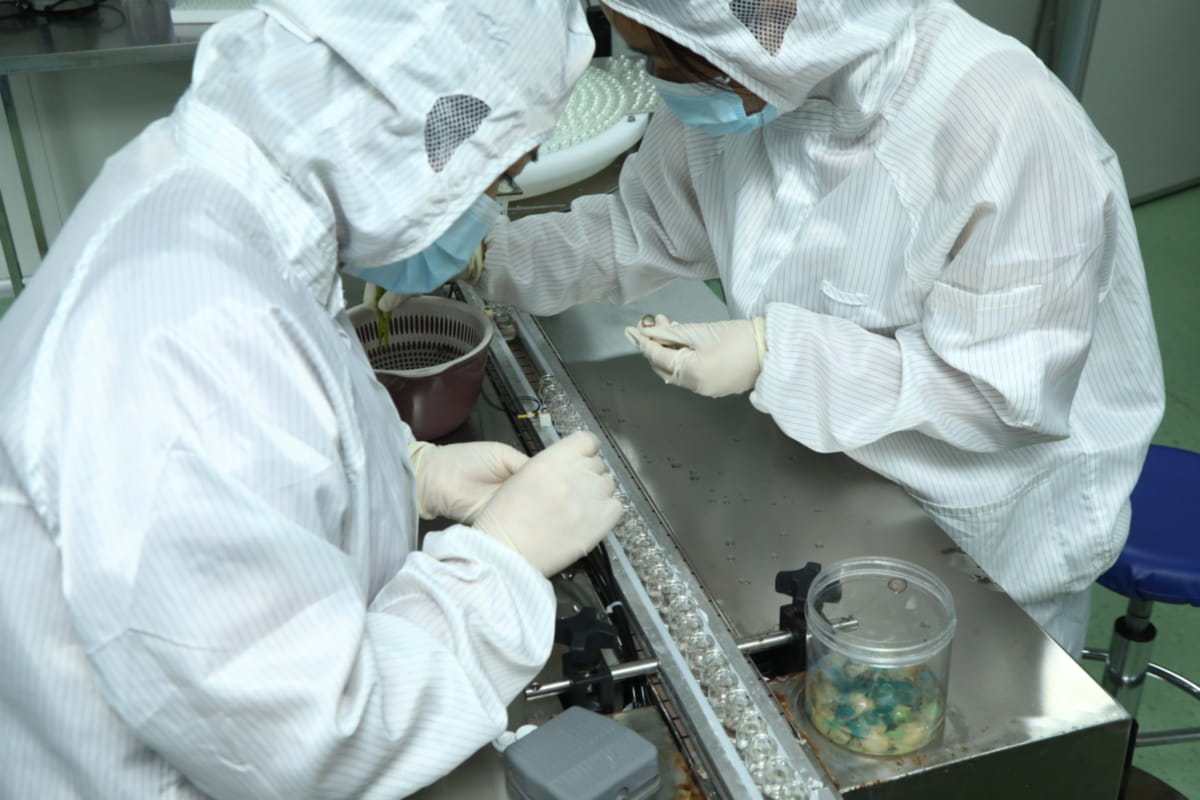
Our partner manufacturing lines employ cleanroom-controlled Cast-Molding Sandwich Technology. In this process, reactive monomer formulations enclose color layers within an impenetrable polymer envelope. Pigments are completely sealed within the matrix, leaving smooth, non-ionic surfaces that touch neither the palpebral conjunctiva nor the delicate corneal epithelium.
Every production batch undergoes strict quality control protocols: 100% optical projector verification for diameter, edge roundness, base curve fidelity, and automated color densitometry.
| Technical Parameter | Standard Cosmetic Hydrogel | Clinical Silicone Hydrogel (SiHy) | Cosplay & Novelty PP Class |
|---|---|---|---|
| Base Material | Poly-HEMA / NVP Copolymer | Filcon II 3 / Lotrafilcon Matrix | Medical PP / Modified Acrylic |
| Water Content (%) | 38% – 42% | 45% – 55% | Non-Hydrated Rigid Composite |
| Oxygen Permeability (Dk/t) | 18 – 25 Dk/t | 85 – 120 Dk/t | N/A (Short-wear Novelty) |
| Total Diameter (DIA) | 14.0 mm – 14.5 mm | 14.0 mm – 14.2 mm | Custom Geometric Outlines |
| Graphic Diameter (GDIA) | 13.0 mm – 13.8 mm | 13.1 mm – 13.5 mm | Full Pupil Masking |
| Base Curve (BC) | 8.5 mm – 8.7 mm | 8.6 mm | Pre-formed Universal Contours |
| Encapsulation Method | Dual-Layer Cast Sandwich | Monomer Cast Polymerization | Embedded Polymeric Coating |
From initial color concept to customs-cleared container transport, our manufacturing resources handle every phase of your contact lens product lifecycle.
We supply complete Technical Files, biocompatibility reports (ISO 10993), stability test evaluations, and factory sterile barrier documentation required for regional health registrations worldwide.
Our studio translates iris reference photographs and Pantone color codes into high-resolution multi-tone screens, balancing graphic diameters, pupil apertures, and limbal ring density.
Tailored packaging options including buffered saline blisters, autoclaved borosilicate glass vials, printed retail cartons, security seal labels, and multilingual patient information leaflets (PILs).
Clear, direct answers addressing MOQs, clinical testing, lead times, and regulatory compliance for wholesale green contact lenses.
Partner directly with an established Chinese export facility. Request complete technical catalogs, factory compliance dossiers, and wholesale volume tiering today.