Recommended OEM & ODM Colored Contact Lens Formats
Explore our core medical-grade product lines engineered for clinical safety, high oxygen permeability, and natural pupil aesthetics.
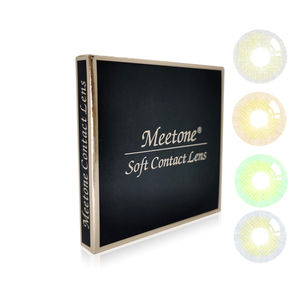
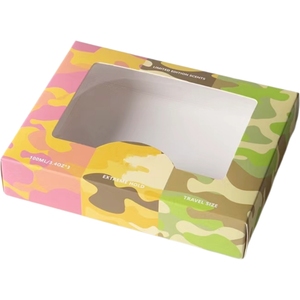
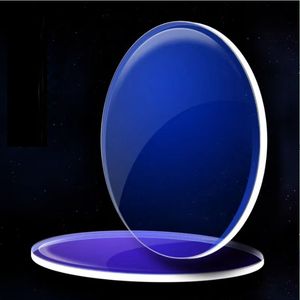
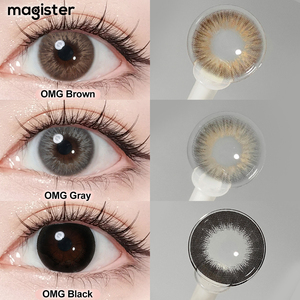
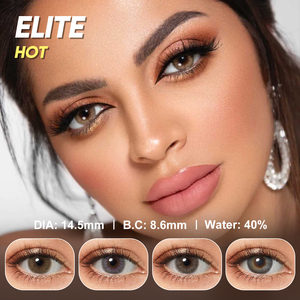
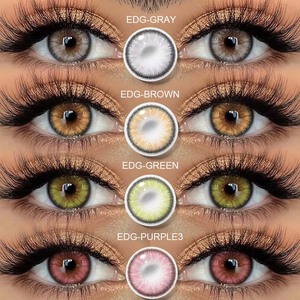
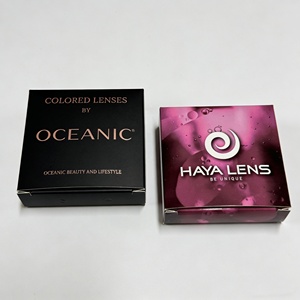
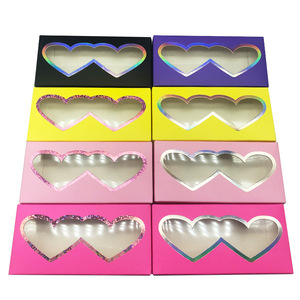
Engineering & Manufacturing Edge
How our factory delivers medical-grade reliability, compliance documentation, and rapid market deployment for international brands.
Triple-Layer Sandwich Encapsulation
Color pigments are chemically embedded between two ultra-thin layers of biocompatible polymer. Zero pigment touch on corneal tissue eliminates micro-abrasions and foreign-body sensation entirely.
Advanced Cast Molding Consistency
High-precision steel molds ensure 100% reproducibility of base curves (8.5mm - 8.7mm) and edge profiles, minimizing tear-film disruption and guaranteeing consistent batch-to-batch fitting dynamics.
End-to-End Packaging & Labeling OEM
Complete turnkey private labeling including hot-stamped rigid boxes, sterilized foil blisters, ISO-compliant lot printing, and regional barcode serialization ready for commercial import.
White Paper: The Structural Shift in Global Colored Contact Lens Sourcing
The global cosmetic and corrective contact lens sector is transitioning through unprecedented regulatory tightening and consumer refinement. Previously treated by casual purchasers as novelty cosmetics, colored contact lenses are globally categorized as Class II or Class III medical devices depending on jurisdictions (e.g., FDA 510(k), EU MDR Class IIa/IIb). B2B buyers, beauty conglomerates, and optical distributors must transition their supply chain away from small-scale contract packagers toward vertically integrated manufacturers with verifiable cleanroom infrastructures and audit-proof quality management systems.
Material Evolution: Hydrogel vs. Next-Gen Silicone Hydrogel
A major development factor in cross-border lens sourcing is the material transition from conventional Poly-HEMA (2-hydroxyethyl methacrylate) hydrogels to advanced silicone hydrogel matrices. Traditional HEMA lenses provide high initial wettability and comfort with water contents between 38% and 42%, but they have an inherent limitation: low oxygen transmissibility (typically 15 to 25 Dk/t). When worn throughout a full day, this can cause corneal hypoxia and vascularization.
Modern clinical buyers are securing private label allocations in third-generation silicone hydrogel. By integrating fluorosilicone macromers, these lenses attain oxygen transmissibility scores exceeding 80 to 110 Dk/t while maintaining a low modulus (0.4 to 0.6 MPa) for mechanical comfort. Below is an engineering comparison of the core material options manufactured in our facilities:
| Performance Indicator | Standard HEMA Hydrogel | Silicone Hydrogel (SiHy) | HD Blue-Light Filter Matrix |
|---|---|---|---|
| Oxygen Permeability (Dk/t) | 18 - 25 Dk/t | 85 - 110 Dk/t | 28 - 35 Dk/t |
| Water Content (%) | 38% - 42% | 45% - 55% | 40% - 45% |
| Center Thickness (@ -3.00D) | 0.08 mm | 0.07 mm | 0.085 mm |
| Recommended Replacement | Monthly / Half-Year / Yearly | Daily / Monthly Disposables | Monthly / Annual Formats |
| Primary Market Segment | Cost-Effective Fast Beauty | Premium Optical & Clinical Brands | Digital Work & Specialized Defense |
Strategic Procurement Trends: Daily Disposables & Toric Complexity
Procurement forecasts indicate that the global market share of daily disposable colored contacts will surpass 48% of total wholesale volume within the next 36 months. Fast-growing brands are phasing down traditional 1-year vial lenses in mature retail regions due to consumer preference for zero-maintenance daily hygiene. Packaging innovations such as lightweight blister strips optimized for direct-to-consumer (DTC) postal shipping have drastically lowered international airfreight costs.
Furthermore, optical buyers are capturing untapped market margins by offering colored toric lenses (for astigmatism correction) and multifocal cosmetic lenses. Historically, printing cosmetic patterns onto ballast-weighted or dynamic-stabilization toric geometries resulted in lens rotation and blurriness. Our automated orientation-marker pad printing aligns the multi-tone ink pattern with the lens prism-ballast axis, allowing astigmatic wearers to enjoy cosmetic pupil enhancement without compromising visual acuity.
Optical Print Technology: Bio-Pigment Micro-Dot Printing
Authentic visual appeal requires sophisticated ink layering. Early generation lenses featured single-tone heavy rings that appeared artificial under close scrutiny. Our facility utilizes high-definition 3-tone and 4-tone micro-dot matrix printing. The outer limbal ring transitions smoothly with fading stippling, while the inner transitional zone mimics natural melanin striations around the pupil. Crucially, our automated cleanroom equipment guarantees a minimum optical clear-zone diameter of 3.8mm to 4.2mm, preventing night-time tunnel vision and halo effects caused by ink intrusion over the dilated pupil.
Procurement FAQ: Navigating Factory Sourcing & Compliance
Clear, direct specifications to streamline customs clearance, lead times, and private label launches.
What are the standard MOQs for custom OEM private label packaging?
For existing certified base colors with custom private label cardboard boxes and blister foil labeling, our minimum order quantity begins at 300 to 500 pairs per SKU. For completely custom pigment pattern development requiring new steel printing plates, the initial pilot batch is typically 1,000 pairs per design.
What regulatory documentation is provided for international customs clearance?
We supply complete batch-specific Certificates of Analysis (COA), ISO 13485 Quality System documentation, CE conformity declarations, biocompatibility test data (ISO 10993 cytotoxicity, ocular irritation, and sensitization), and sterile packaging integrity validation reports.
How do you ensure color consistency across high-volume production cycles?
Color consistency is maintained through closed-loop automated spectrophotometric sampling. Raw pigment mixes are verified against computerized chromatic coordinates before mold application, and finished hydrated lenses undergo optical visual sorting under controlled D65 daylight simulators.
What is the typical sampling turnaround and bulk mass production cycle?
In-stock color samples with neutral packaging ship within 3 to 5 business days for evaluation. Custom trial samples with customized packaging proofs typically require 10 to 14 days. Full-scale production of private label orders typically finishes in 25 to 35 business days post packaging artwork confirmation.
Build Your Contact Lens Brand with Factory-Direct Manufacturing
Connect with our technical export engineers to request physical color sample rings, regulatory documentation packages, or customized private label quotations.