Featured OEM/ODM Cosmetic Contact Lens Series
Engineered in ISO 13485 cleanroom facilities. Fully customizable across base curve (BC), optical diameter (DIA), water content, and multi-layer tonal patterns with complete custom packaging support.
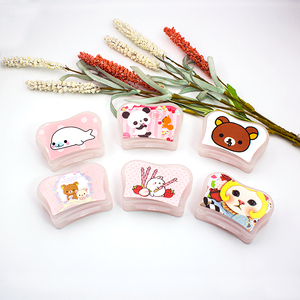
Wholesale New Design Natural Color Contact Lenses with Custom Packaging Case Eye Lens Accessories
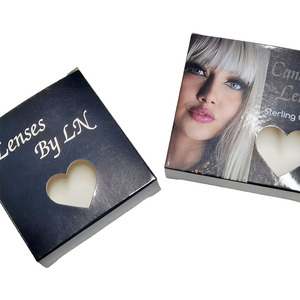
2025 New Trend Fashion Custom High Quality Love Window Design Colored Eye Contact Lenses Wholesale with High Quality Paper Boxes
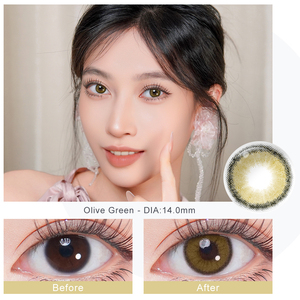
Customized Package Contact Lenses Natural Wholesale Color Contact Lenses OEM Hidrocor Contact Lenses Lentes De Contacto De Color
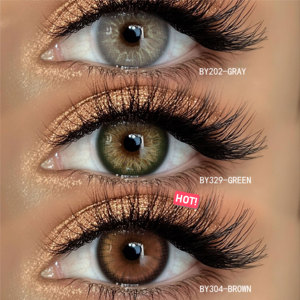
For Factory 14.0mm Diameter Colored Pupil Contact Lenses Soft Unique Opaque Color Technology for Eye Transforming Effects
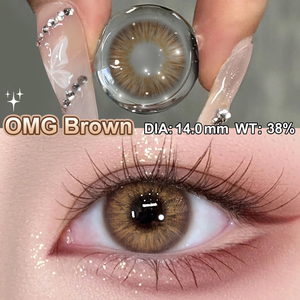
Free Shipping Eye Lenses Color Contact Lens Soft Eye Prescription Contact Lenses 14.5mm Colored Eye Contacts Lentille De Couleur
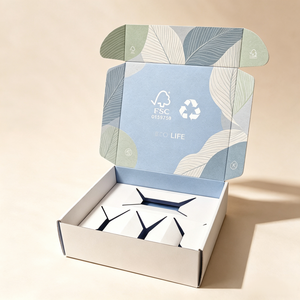
Custom Your logo Empty Cardboard Paper Magnetic Contact Lens Packaging Box for Contact Lenses
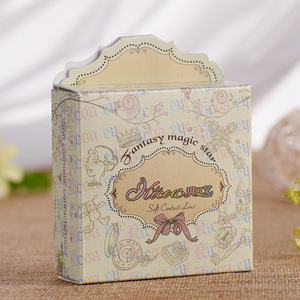
Carton Customized Contact Lens Set White Cardboard Airplane Box Printing Cosmetics Contact Lenses Packaging Color Box
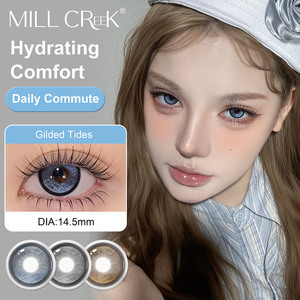
Haipurecon Factory Direct Wholesale Sky Blue Color Contact Lenses Natural Multi Colors New Style Bulk Order Low MOQ
Engineering Rigor in Chinese Contact Lens Manufacturing: From Cast-Molding to Automated Vision QC
The global cosmetic contact lens sector has evolved rapidly from niche fashion novelties into precision medical devices subject to strict physiological and optical benchmarks. Sourcing from a premier China wholesale colored contact lenses factory is no longer merely a pricing arbitrage exercise; it is an engineering partnership. Today, leading Chinese facilities deploy automated full-cast polymerization technology, molecular dye encapsulation, and Class 100,000 cleanroom environments that match or exceed Western pharmaceutical manufacturing criteria.
Historically, early-generation circle lenses relied on surface printing or spin-cast hydrogels with high coefficient of friction (CoF) and unpredictable edge profiles. Modern Chinese manufacturing leaders, however, have standardized on Double-Sided Cast-Molding utilizing diamond-turned steel and quartz optical tools. This method ensures absolute consistency in sagittal depth, edge apex curvature, and power distribution across multi-million-lens batches.
The E-E-A-T Sourcing Principle: Because soft contact lenses sit in direct contact with the precorneal tear film and living epithelial tissue, regulatory bodies (including the US FDA, EU Notified Bodies under MDR 2017/745, and China NMPA) categorize colored contact lenses strictly as Class II or Class III medical devices, regardless of whether corrective diopters (powers) are integrated. Verifying the factory's full-spectrum technical dossier is the first imperative of responsible procurement.
Cast Molding Polymerization
Liquid monomer matrix (Poly-HEMA or Silicone Macromer) injected into precision optical molds, cured under stabilized UV thermal cycles for zero peripheral aberration.
Sandwich Encapsulation
Micro-pigments are completely embedded within two layers of biocompatible clear polymer. Zero colorant reaches the cornea or palpebral conjunctiva.
Automated Optical QC (AOI)
Sub-micron optical CCD scanning inspects 100% of lenses in hydrated state for edge burrs, center displacement, pinholes, and pigment registration errors.
Terminal Autoclave Sterility
Every sealed blister package undergoes saturated steam sterilization at 121°C for 20-30 minutes, securing a Sterility Assurance Level (SAL) of 10⁻⁶.
Comparative Engineering Specifications: Material, Hydration, and Geometries
B2B procurement teams must specify core mechanical and chemical parameters that align with end-user comfort and regional regulatory directives. Below is the reference engineering matrix deployed across our OEM manufacturing lines:
| Parameter | Standard HEMA Hydrogel | Silicone Hydrogel (SiHy) | Cosmetic Toric / Astigmatic | Quality Control Tolerances |
|---|---|---|---|---|
| Base Curve (BC) | 8.50 mm – 8.65 mm | 8.60 mm – 8.70 mm | 8.50 mm – 8.60 mm | ± 0.05 mm |
| Diameter (DIA) | 14.0 mm – 14.5 mm | 14.2 mm | 14.2 mm – 14.5 mm | ± 0.10 mm |
| Graphic Diameter (G.DIA) | 12.8 mm – 14.0 mm | 13.0 mm – 13.5 mm | 13.2 mm – 13.8 mm | ± 0.08 mm |
| Water Content (H₂O) | 38% – 42% (Low-Mid) | 45% – 55% | 40% – 42% | ± 2.0% |
| Oxygen Permeability (Dk/t) | 11 – 18 × 10⁻⁹ | 65 – 110 × 10⁻⁹ | 14 – 20 × 10⁻⁹ | ISO 18369 Compliant |
| Center Thickness (CT @ -3.00D) | 0.07 mm – 0.085 mm | 0.08 mm – 0.095 mm | 0.09 mm – 0.12 mm | ± 0.010 mm |
| Power Range (Spherical) | 0.00 (Plano) to -10.00D | 0.00 (Plano) to -8.00D | 0.00 to -8.00D | ANSI Z80.20 Standard |
| Target Wear Cycle | Daily / Monthly / Yearly | Daily / Monthly | Daily / Monthly | Accelerated Aging Tested |
A critical technical distinction in contact lens engineering is the interplay between Water Content and Oxygen Permeability (Dk/t). In standard poly-HEMA polymers, oxygen travels exclusively dissolved in water; therefore, higher water content increases oxygen transmission but raises ocular dehydration rates in air-conditioned environments. Conversely, in Silicone Hydrogel matrices, oxygen migrates through the siloxane polymer backbone independently of water content, facilitating prolonged 14-hour daily wear cycles without corneal hypoxia or neovascularization risk.
Why Velalens Leads China's B2B Colored Lens Manufacturing Ecosystem
Velalens Technology Co., Ltd. operates state-of-the-art contact lens production lines engineered specifically for multinational brands, high-growth e-commerce cosmetics labels, and optical retail chains across North America, Europe, Latin America, and the Middle East. Our infrastructure bridges medical-grade manufacturing precision with agile private label turnaround times.
Our core competitive advantages center around three manufacturing pillars:
1. Sandwich Encapsulation Integrity: Using proprietary pad-printing and rotary micro-dosing technologies, our biocompatible pigments (Titanium Dioxide, Iron Oxides, Phthalocyanine Blue) are sealed securely within an inert polymer core. We supply cytotoxicity reports (ISO 10993-5) and ocular irritation assessments (ISO 10993-10) to confirm non-leaching performance under friction and long-term saline storage.
2. End-to-End Packaging & Custom Label Systems: Contact lens packaging must balance medical-grade barrier integrity with retail luxury aesthetics. We provide automated sterile blister sealing (foil-polypropylene laminate) as well as traditional pharmaceutical glass vials. Our in-house packaging division manufactures custom paperboard rigid gift boxes, magnetic closure sets, thermoformed blister trays, and customized patient instructional leaflets in any destination language.
3. International Regulatory Dossiers: We assist clients through every phase of regulatory approval. Sourcing teams receive comprehensive technical documentation including Material Safety Data Sheets (MSDS), Certificate of Analysis (CoA) per production lot, ISO 13485:2016 quality management system documentation, stability and aging challenge data, and detailed ingredient breakdowns for national health registrations.
Future Market Trends: Navigating the 2025–2030 Colored Lens Industry
Procurement directors must look beyond existing catalog styles and prepare their brand portfolios for accelerating shifts in consumer optics, material science, and international compliance requirements. The cosmetic lens sector is projected to cross $4.8 billion globally by 2030, driven by the convergence of cosmetics and vision care.
1. Daily Disposable Dominance
Health consciousness is migrating consumers from yearly bottles to 1-Day daily disposable blister packs (10-pack and 30-pack formats). Brands adopting daily wear models achieve higher lifetime customer value (LTV) and vastly lower rates of adverse ocular events.
2. Hyper-Realistic Iris Micro-Tones
The era of flat, high-contrast theatrical lenses is being eclipsed by 3-tone and 4-tone micro-dot gradients. Consumers demand subtle limbal definition, warm honey-hazel transitions, and olive-grey depths that meld organically with dark brown natural irises.
3. Complex Prescription Integration
Over 45% of cosmetic lens wearers require vision correction. Sourcing factories capable of molding stable Toric (astigmatism) and Presbyopic Multifocal lenses in cosmetic colorways unlock underserved demographics with high willingness to pay.
4. Tightened Global MDR Compliance
The enforcement of the EU Medical Device Regulation (MDR) and heightened US FDA import alerts mean grey-market uncertified products will be eliminated from major retail channels. Brand survival demands validated factory technical documentation.
From Design Concept to Global Delivery: The B2B Manufacturing Lifecycle
Design Specification
Selection of base curve, diameter, graphic print layers, material (HEMA vs. SiHy), and wear modality.
Prototyping & Sampling
Rapid dispatch of factory-stock reference lenses in 3–7 days or bespoke print proofing in 2–3 weeks.
Tooling & Cleanroom Run
Automated precision cast-molding, rotary pigment pad printing, hydration equilibrium, and saline equilibration.
100% Optical QC & Pack
AOI microscopic inspection, sterile blister sealing, high-pressure steam autoclave, and batch lot coding.
Custom Box & Export
Consolidated packaging with custom branded cartons, CoA generation, customs export documentation, and courier delivery.
Frequently Asked Sourcing & Manufacturing Questions (B2B FAQ)
What is the minimum order quantity (MOQ) for custom private label colored contact lenses? +
How do Chinese factories ensure pigments do not leach or irritate human corneal tissue? +
What international certifications and export documentation are provided with each shipment? +
What is the shelf life of blister-packed vs. glass vial cosmetic contact lenses? +
Can we order mixed diopters (prescriptions) within the same color batch? +
What are the lead times for samples, mass production, and private label packaging? +
Initiate Your OEM/ODM Contact Lens Manufacturing Project
Connect with our senior optical engineering and OEM export desk. Request our comprehensive 2025–2026 Color Catalog, physical sample packs, technical whitepapers, and volume-tiered quotation matrices today.