Custom Packaging
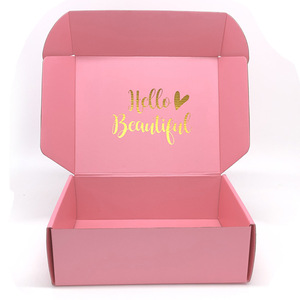
Rigid Corrugated
Offset CMYK
Anti-Crush
Direct from accredited cleanroom facilities. Explore high-precision cosmetic lenses alongside ISO 15378-compliant secondary and tertiary display packaging customized for global omnichannel launch.
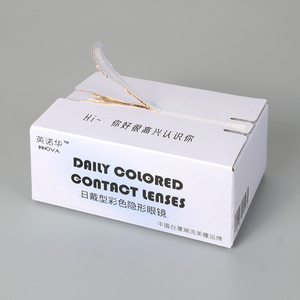
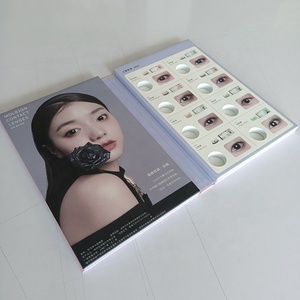
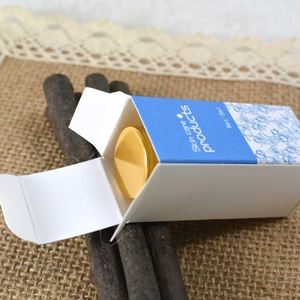
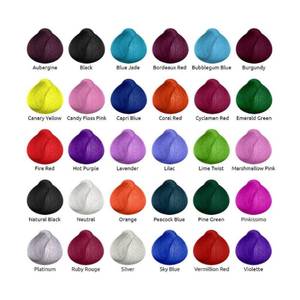
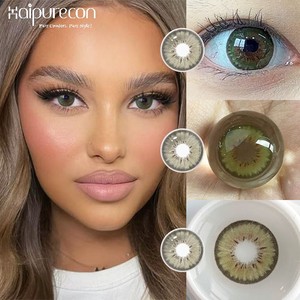
Global procurement of cosmetic colored contact lenses has undergone a tectonic shift. Moving far beyond novelty cosmetics, international regulatory frameworks categorize soft colored contact lenses as Class IIa or Class IIb / Class III medical devices (under EU MDR 2017/745 and US FDA 21 CFR 886.5925).
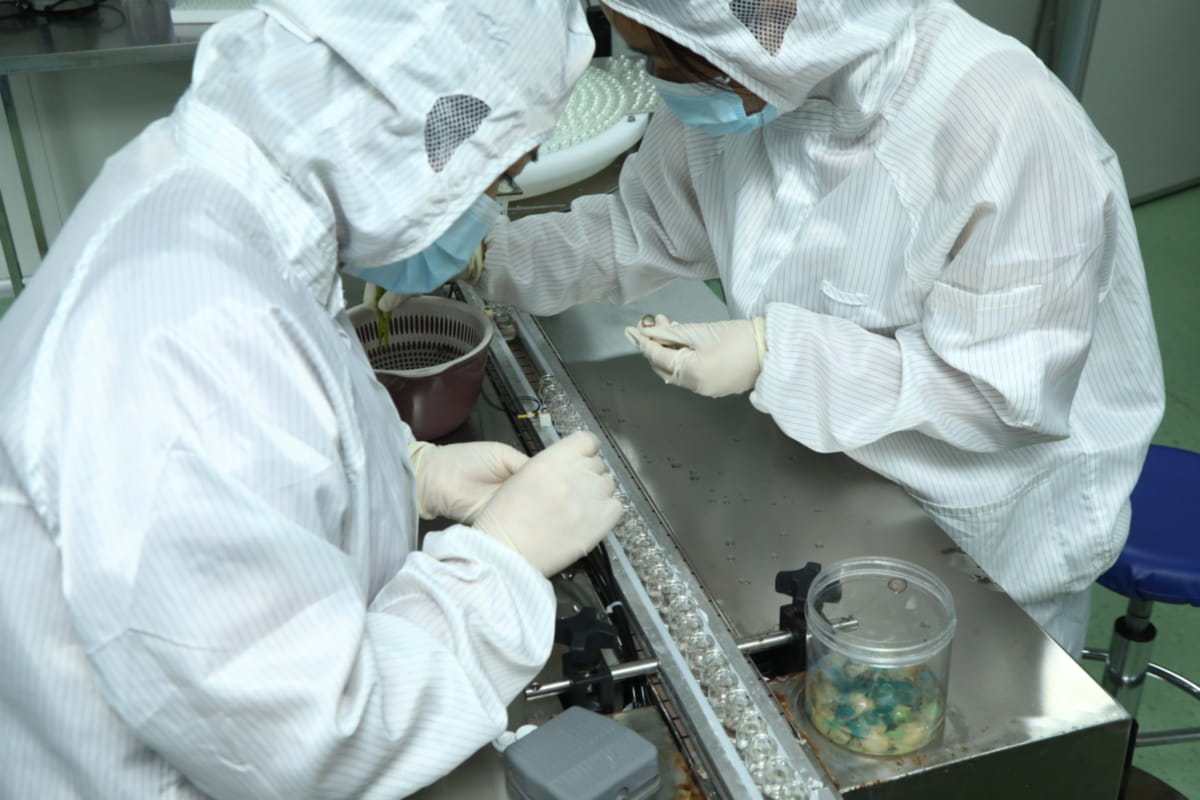
The primary concern for international clinical auditors is pigment elution and surface leaching. Inferior manufacturers apply dye layers via pad printing onto the posterior or anterior lens surface. In contrast, leading Chinese contact lens factories deploy micro-encapsulation sandwich technology (Triple-Layer Cast Moulding).
Under this rigorous protocol, cosmetic bio-compatible colorants (reactive iron oxides, titanium dioxides, phthalocyanine copper) are precision-injected and encapsulated entirely within two layers of HEMA (Hydroxyethyl methacrylate) or Silicone Hydrogel monomer matrices. Polymerization under controlled UV radiation and thermal baths bonds the dye directly into the molecular backbone of the hydrogel.
Precision diamond-lathe-cut optical steel molds produce identical front-curve and base-curve configurations. Unlike spin-casting, full-mould casting prevents peripheral thickness variances, providing smooth 0.04mm tapered edge profiles that eliminate blinking friction and foreign body sensation.
Traditional PolyHema formulations offer oxygen transmissibility (Dk/t) around 15–25 Fatt units. Modern Chinese production hubs now utilize fluoro-silicone macromers combined with hydrophilic PVP chains, elevating Dk/t ratings above 80–120 Fatt units for healthy all-day corneal metabolic respiration.
ODM color development leverages ultra-fine raster dot printing down to 25-micron dot pitches. Combining natural limbal rings, radial striated blends, and golden inner coronas, patterns blend indistinguishably with both light European irises and deep Asian or Middle Eastern brown eyes.
| Performance Parameter | Standard PolyHema Hydrogel | Advanced Silicone Hydrogel (SiHy) | Clinical Significance & Tolerance |
|---|---|---|---|
| Base Curve (BC) | 8.50 mm – 8.60 mm | 8.60 mm – 8.70 mm | Tolerance ±0.02 mm; optimizes apical clearance |
| Diameter (DIA) | 14.0 mm – 14.5 mm | 14.0 mm – 14.3 mm | Ensures corneal coverage without limbal compression |
| Water Content | 38% – 42% | 45% – 55% | Balanced against tear film evaporation & lipid buildup |
| Oxygen Permeability (Dk/t) | 20 – 28 Dk/t | 85 – 130 Dk/t | Prevents corneal edema and neovascularization |
| Wear Modality | Daily / Monthly / Yearly | Daily Disposable / Monthly | Highest Hygiene Category |
| Optical Power Options | Plano (0.00) to -8.00 D | Plano (0.00) to -10.00 D; Toric/Multifocal | Precision Wavefront Geometry |
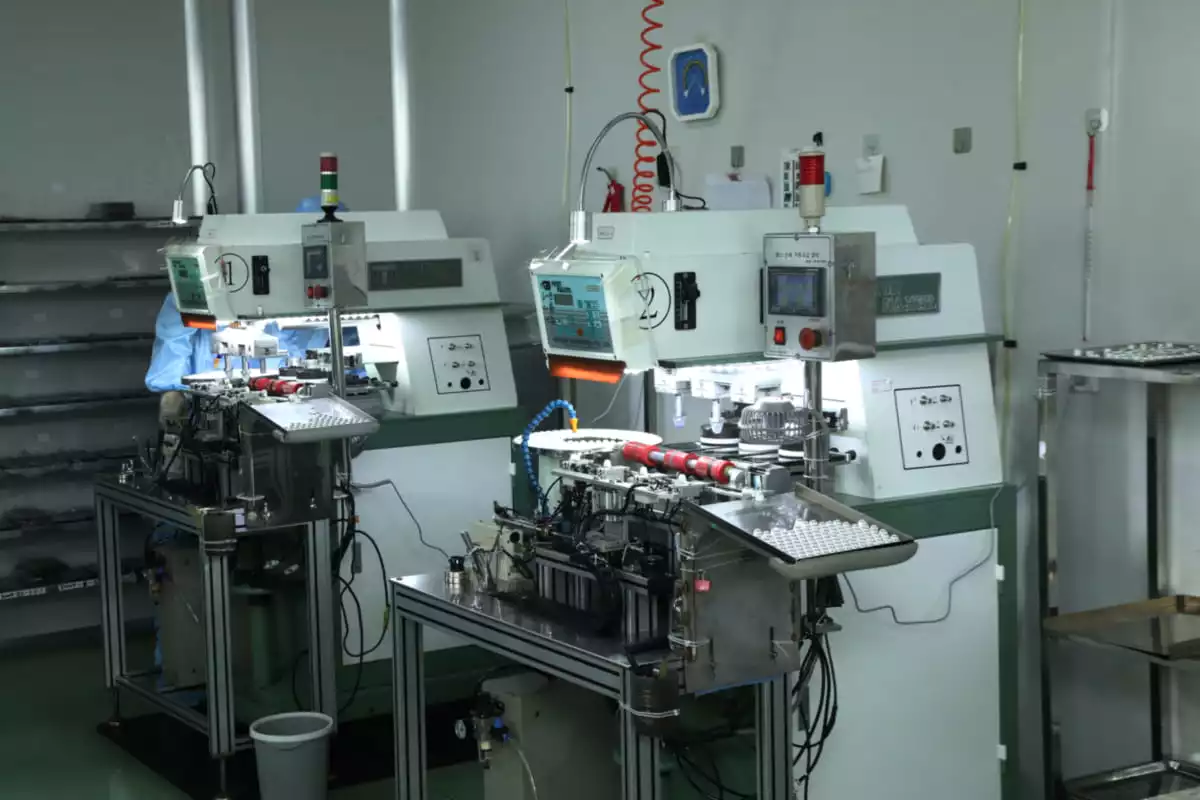
Quality reliability on paper means little without comprehensive automated inline verification. Premier factories implement Automated Optical Inspection (AOI) with artificial intelligence vision systems. Each individual lens is scrutinized under polarized strobe cameras within 0.12 seconds for edge tears, air bubbles, center displacement, and printing registration aberrations.
Following AOI validation, secondary packaging stations seal the lenses within pharmaceutical polypropylene blisters with peelable medical-grade aluminum lidding. Moist-heat terminal sterilization occurs in validated industrial autoclaves at 121°C for 20 minutes (SAL 10⁻⁶ sterility assurance level).
Anticipate shifting consumer demographics, clinical regulations, and manufacturing technologies to preserve margin and shelf dominance over the next decade.
Historically dominated by annual glass vials, global consumer preference has rapidly swung toward daily disposable blister packs. Driven by hygiene consciousness, zero cleaning solution requirements, and higher re-order frequency, brands procuring daily disposables experience up to 40% higher customer lifetime values (LTV). Factory automation in China has brought down per-blister production costs to unlock competitive B2B margins.
Regulatory scrutiny across Europe and North America is tightening around oxygen transmissibility for cosmetic lenses. Buyers who fail to transition their core cosmetic collections to silicone hydrogel materials risk regulatory phase-outs and higher consumer return rates. Modern Chinese cleanrooms are now patenting proprietary SiHy formulations that combine high Dk/t with low modulus (ultra-soft flexural feel).
The era of exaggerated anime "circle lenses" (14.5mm - 14.8mm graphic diameter) has evolved into hyper-realistic iris mimics. Modern demographics seek subtle iris tone enhancements (G.DIA 13.0mm – 13.3mm) with feather-soft translucent limbal transitions suitable for professional daytime environments, high-definition streaming, and natural daylight aesthetics.
One of the largest underserved niches in the contact lens industry is color lenses engineered with dual optical functions: cylinder correction for astigmatism (Toric) and dual-ring add power for presbyopic aging wearers (Multifocal). Advanced Chinese manufacturers utilizing prism-ballasted dynamic stabilization now allow private label brands to fulfill this high-margin prescription demand.
ESG guidelines and European plastic packaging taxes are prompting brands to re-engineer secondary packaging. Sourcing teams are replacing standard polyvinyl boxes with FSC-certified virgin wood-free boards, biodegradable soy-based inks, and micro-blisters that consume 30% less polypropylene resin, directly curbing international airfreight carbon tariffs.
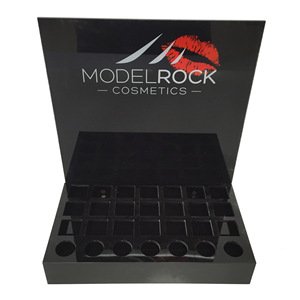
Leading cosmetic conglomerates are bundling colored contact lenses with high-end palettes, mascara, and false eyelashes (demonstrated in our multi-cavity gift-set offerings). Turnkey factory capabilities that package sterile blister contact lenses alongside cosmetic sets simplify global freight and provide an unboxing experience optimized for social media virality.
Leveraging decades of ophthalmic polymer research, fully integrated precision molding lines, and global customs expertise, our manufacturing campus bridges the gap between vision safety and beauty market agility.
Fully compliant with ISO 13485:2016 quality management standards, EU CE under MDR, and compliant technical dossiers ready for US FDA 510(k) and health ministry registrations across Latin America, GCC, and Southeast Asia.
We provide full Free Sale Certificates (CFS), Certificate of Analysis (COA) per batch, biocompatibility cytotox test reports, stability test dossiers, and accelerated aging shelf-life documentation (up to 5 years).
Unlike rigid European or Japanese contract manufacturers requiring 100,000 pairs per SKU, we support boutique brands and fast-growth distributors with flexible trial runs starting from ~300 to 500 pairs per shade.
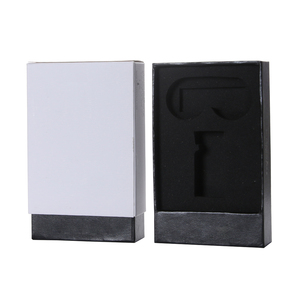
One single point of contact for blister lidding foil, custom foldable carton printing, magnetic gift boxes, sterile lens cases, and retail display racks. Eliminate coordinating multiple vendors and mismatching lead times.
Essential technical, regulatory, and supply chain insights to accelerate your supplier audit and contract negotiations.
Whether you require fast-dispatch stock catalog trial orders or full ODM customized silicone hydrogel collections with custom packaging, our manufacturing specialists provide end-to-end guidance from chemical formulation to regulatory clearance.