ISO 13485 & CE Medical Device Directive Certified

CE Certified Comfortable Colored Contact Lenses Manufacturers & Exporters

Clinical-grade ocular safety, 3-layer sandwich encapsulation technology, and customized OEM/ODM volume solutions for global medical and beauty distributors.

100%
Microscopic Edge & Optical Inspection
38%-55%
Customized Water Content Equilibrium
300+
Pairs Low MOQ Flexible Labeling
Class II
Global Medical Regulatory Compliance

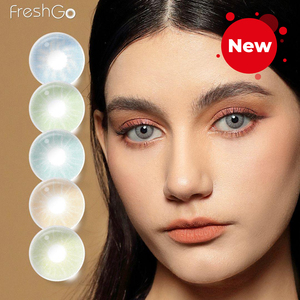
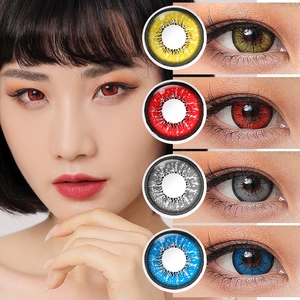
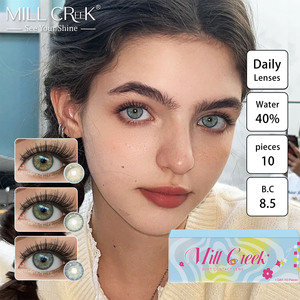
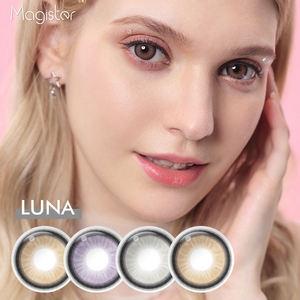
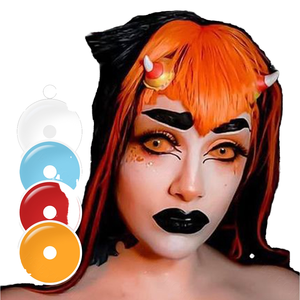
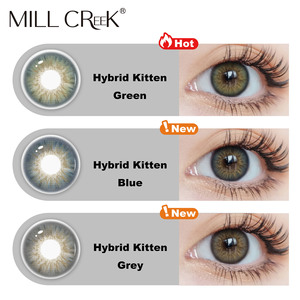
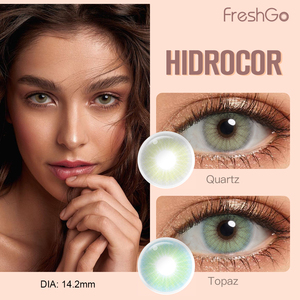
Featured CE-Certified Colored Contact Lens Formats

Engineered with biocompatible HEMA and Silicone Hydrogel polymers, providing maximum oxygen permeability (Dk/t) and pigment isolation.

Technology Architecture: What Defines Ocular Comfort?

From chemical raw materials to microscopic bevel edging, clinical comfort in color contact lenses is an engineered outcome, not a marketing claim.

Triple-Layer Sandwich Encapsulation

Inferior cosmetic lenses print pigments on the inner or outer surface, exposing corneal epithelia to abrasion and chemical leaching. Our Zero-Contact Sandwich Polymerization locks FDA-compliant pigments entirely between two hydrophilic layers.

  • Zero physical pigment protrusion on corneal tissue
  • Resistance to enzyme degradation and ocular shear stress
  • Maintains optical surface smoothness for visual clarity

Hydrodynamic Edge-Bevel Milling

Discomfort and foreign-body sensation are primarily caused by abrupt edge boundaries colliding with tarsal conjunctiva during involuntary eyelid blinking (over 15,000 blinks daily).

  • Smooth rounded multi-curve edge profilometry
  • Optimized tear-exchange channels underneath the optic zone
  • Reduces conjunctival hyperaemia during extended daily wear

Dk/t Permeability Equilibrium

Balancing water content and oxygen transmission is vital. Overly high water content leads to lens dehydration and tear stripping, whereas dense pigmentation hinders oxygen diffusion.

  • Optimized 38%-42% hydrogel matrix for dry/AC environments
  • Silicone Hydrogel options reaching high transmissibility benchmarks
  • Resists lipid and protein deposit formations across wear cycles

Medical Grade CE Requirements vs. Standard Commodity Lenses

Assessment Metric CE / ISO 13485 Certified Medical Manufacturer Low-End Commodity Exporters Clinical Significance for Importers
Pigment Isolation Full Sandwich Embedded Matrix Pad-printed surface layer / Exposed dye Prevents corneal ulcers and keratitis litigation
Edge Finishing Dynamic CNC lathe-cut or cast-molded round bevel Blunt, sheared edge lines Determines first-wear comfort & client re-order rates
Regulatory Dossier CE Technical Files, ISO 13485, DoC, Sterilization Validation Forged or non-traceable third-party certificates Smooth customs clearance in EU, LATAM, and MEA regions
Center Thickness Precision controlled 0.06mm - 0.08mm profile Inconsistent thickness variations (>0.12mm) Directly influences oxygen flow and all-day corneal health

Future Procurement Trends in Colored Contact Lenses

Key insights for professional category managers, optical buyers, and brand strategists preparing for next-generation consumer demand.

The Shift Toward Daily Disposables

While yearly and half-yearly lenses retain solid market share in cost-conscious retail regions, daily disposables (1-Day Dailies) represent the fastest-growing revenue segment in urban, hygiene-conscious demographics.

Buyers are consolidating supply chains with factories that possess multi-cavity automated high-speed blister packaging lines to compress unit production costs.

Micro-Dot & Iris Emulation Aesthetics

The era of rigid, cartoonish circle lenses is declining. Modern cosmetic buyers require hyper-realistic multi-tone blends that mirror real human stromal fibers, limbal rings, and pupillary transition zones.

Procurement teams increasingly request computer-generated 3-tone micro-dot matrix print masters that merge organically with dark brown and light amber irises.

Regulatory Strictness: MDR & Notified Bodies

The phase-out of the old European MDD in favor of rigorous EU MDR (Medical Device Regulation 2017/745) mandates strict clinical evaluation, Post-Market Clinical Follow-up (PMCF), and full supply-chain traceability.

Sourcing strategies are rapidly moving away from small, uncertified brokers toward audited manufacturers that provide verifiable technical construction files.

Why Distributors and Private Label Brands Partner With Us

We blend clinical precision engineering with agile OEM/ODM branding services to empower medical and lifestyle enterprises globally.

Audited Medical Cleanrooms

Manufactured inside Class 100,000 cleanroom environments. Completely free from particulate contamination, airborne pathogens, and bioburden residues.

Comprehensive OEM/ODM

End-to-end custom support: pattern development, diopter ranges (Plano to -10.00D), custom blister foil sealing, sterile vials, and regionalized multi-lingual carton design.

Rapid Global Logistics

Integrated temperature-controlled storage and air freight compliance. In-stock sample dispatches within 3-5 days; bulk OEM batches delivered in 4-6 weeks.

Complete Export Registration

Full support for domestic FDA, MOH, COA, Free Sale Certificates (FSC), and ISO 13485 documents ensuring trouble-free customs clearance and rapid licensing.

Colored Contact Lenses Procurement FAQ

Direct answers to the most common regulatory, technical, and commercial questions raised by international sourcing managers.

What regulatory documentation is provided for regional customs clearance?
Every batch order is accompanied by complete documentation including CE Declaration of Conformity (DoC), ISO 13485 Quality Management System Certification, Certificates of Analysis (COA) for bioburden and physical dimensions, biocompatibility toxicology reports, and Free Sale Certificates (FSC) to facilitate local Ministry of Health registration.
What is the minimum order quantity (MOQ) for custom private label packaging?
For existing stock color series packaged under your private brand, our low MOQ begins at approximately 300 pairs per color variant. For fully customized iris patterns, bespoke graphic diameters, or unique diopter ranges, MOQs generally start around 1,000 to 3,000 pairs depending on printing plate set-up and foil run lengths.
How do you guarantee pigment safety and zero corneal toxicity?
We use proprietary sandwich encapsulation technology where cosmetic color pigments are fully sealed between an anterior and posterior layer of optical-grade hydrogel. No pigment particles are exposed on either lens surface, eliminating risks of chemical leaching, surface roughness, or corneal scratching under repeated eyelid friction.
Can you manufacture corrective prescription powers (diopters) alongside Plano?
Yes. While cosmetic lenses are widely sold in Plano (0.00D), our cast-molding automated facilities support myopic correction powers ranging from -0.50D to -8.00D (in 0.25D or 0.50D increments). Toric (astigmatism) and multifocal colored lens lines are also available under selective OEM project schedules.
What is the shelf life and sterilization methodology for exported batches?
All lenses undergo high-pressure moist-heat steam autoclaving inside sealed medical polypropylene blisters or amber pharmaceutical glass vials. The validated terminal sterilization guarantees a stable sterility assurance level (SAL 10⁻⁶) with a certified shelf life of 3 to 5 years from the manufacturing date.

Launch Your Certified Colored Contact Lens Brand

Consult with our ocular engineers and private label packaging consultants. Receive free catalog samples, technical dossiers, and volume wholesale pricing.