100%
Microscopic Edge & Pigment Audited
300+
Minimum Order Volume per SKU
4Cycles
Daily, Monthly, Bi-Annual & Yearly
<0.08mm
Ultra-Thin Wet Center Thickness
Medical Grade Portfolio
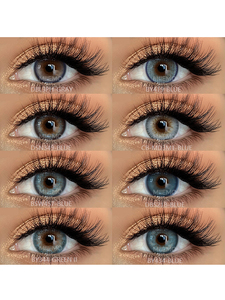
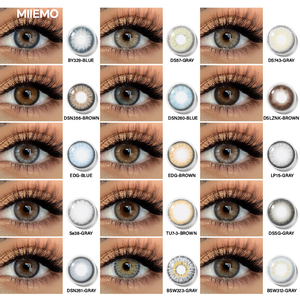
Export-Grade Colored Contact Lens Inventory
Pre-approved formulations tested for high biocompatibility, oxygen transmissibility, and vibrant pigmentation. Select standard models or develop proprietary OEM variations.
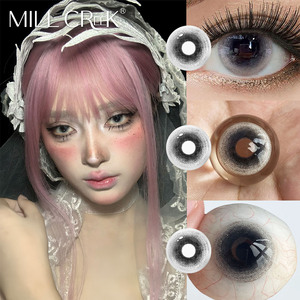
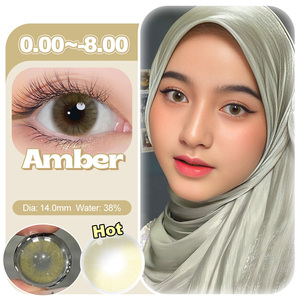
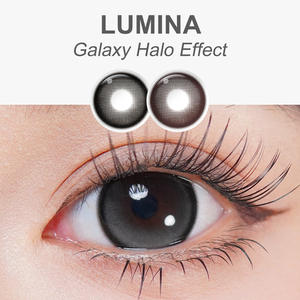
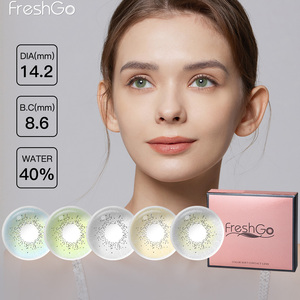
Engineering Integrity: The Chemistry of Certified Contact Lens Manufacturing
Cosmetic contact lenses exist in a stringent regulatory jurisdiction across global territories. Under the European Medical Device Regulation (EU MDR 2017/745) Annex VIII, non-corrective (plano) and corrective cosmetic contact lenses are regulated as Class IIa medical devices, mandating not merely aesthetic appeal, but absolute clinical safety. As a prime manufacturer, our foundry operates continuous computerized cast-molding operations under certified ISO 13485:2016 quality management frameworks.
The paramount technical challenge in colored hydrogel lens fabrication is the isolation of coloring agents. Traditional or low-grade circle lenses print reactive dyes directly onto exterior polymers, creating rough corneal contact points that increase giant papillary conjunctivitis (GPC) risks and induce mechanical keratitis. Our production infrastructure implements a proprietary Micro-Encapsulation 3-Layer Sandwich Technology. By locking organic dye micro-particles entirely within an inner matrix between front and rear sheets of Poly-HEMA (2-hydroxyethyl methacrylate) or Silicone Hydrogel (SiHy), no pigment layer ever makes contact with the cornea or palpebral conjunctiva.
Additionally, maintaining a persistent tear film equilibrium requires refined fluid dynamics. Utilizing advanced automated lathe-cut master moulds and high-speed spin casting, our products achieve an ultra-smooth peripheral bevel. This promotes natural tear fluid exchange beneath the lens body during blink cycles, preventing hypoxic corneal edema and upholding comfortable wearing cycles up to 12 consecutive hours.
Production Infrastructure
Integrated Cleanroom Synthesis & Customization Advantages
Explore why worldwide optical distributors and clinical health brands entrust their private label portfolios to our precision production lines.
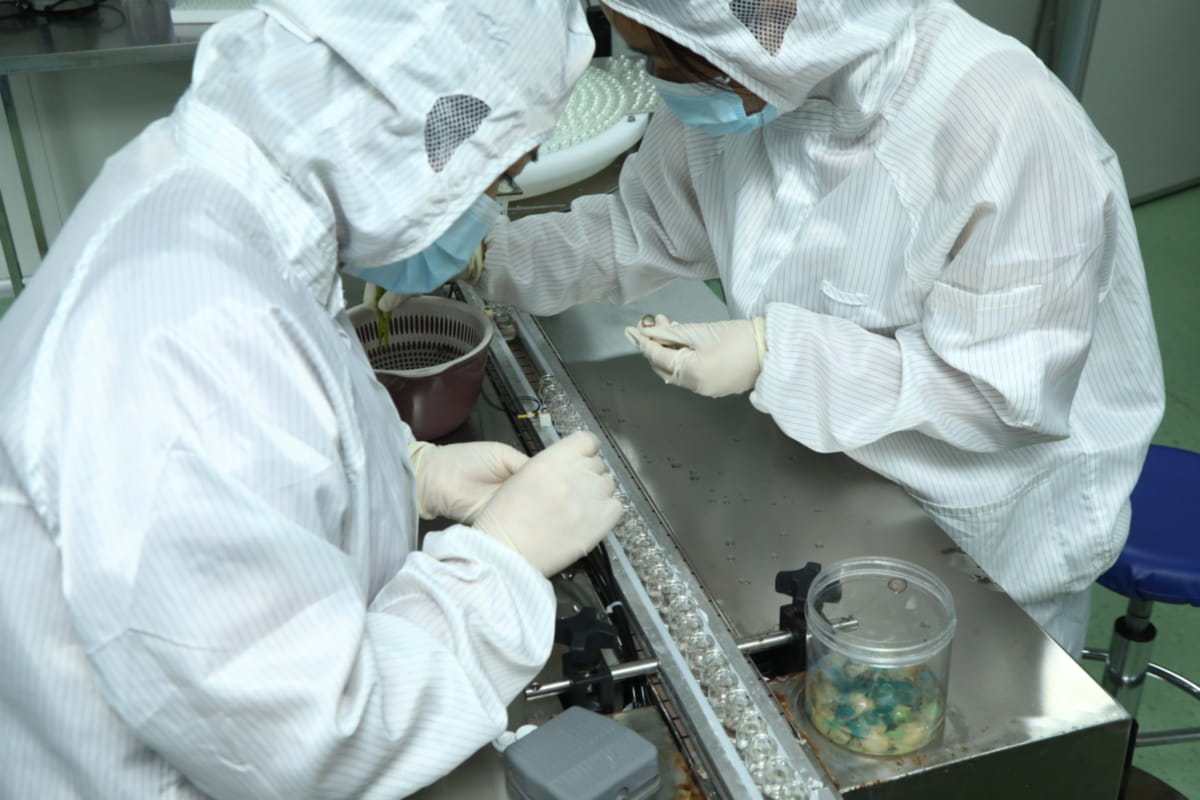
Class 100,000 Cleanroom Polymerization
Our cleanrooms maintain micro-filtered atmospheric conditions adhering to strict ISO 14644-1 parameters. Automated robotic dispensers pour ultra-pure monomer formulas into precision single-use moulds, securing micro-level consistency in edge roundness and optic power distribution.
- Automated Vision Edge Polishing: Eliminates microscopic flashing and edge burrs to dramatically minimize foreign body sensations.
- Full Spectral Extraction: Saline curing procedures purge residual solvent and monomers to ensure biocompatibility indices above medical standard thresholds.
- Steam Terminal Sterilization: Individual blister packaging autoclaved at 121°C for 20 minutes under clean steam guarantees verified SAL 10⁻⁶ sterility.
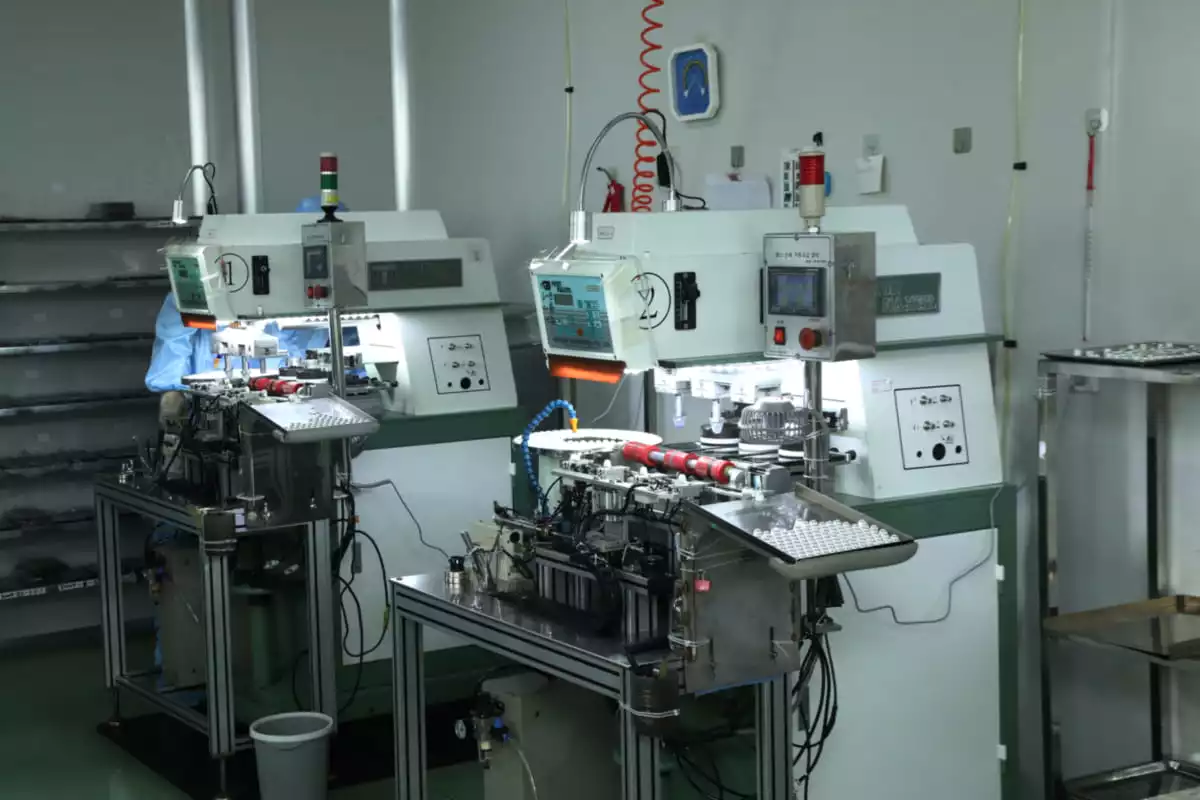
Multi-Spectral Optical Quality Screening
Every single manufactured unit is subjected to non-destructive optic imaging stations. Automated visual cameras inspect for centering errors, pupil aperture symmetry, peripheral bubble formations, and pigment containment before hydraulic blister sealing.
- High-Fidelity Chromatic Uniformity: Computerized densitometry guarantees that chromatic values match master pantones across consecutive batches.
- Diopter Power Verifications: Wavefront sensors verify sphere, cylinder, and axis values from 0.00D down to -8.00D for prescription cosmetic series.
- Full Export Documentation: Free Sales Certificates (FSC), CE certifications, ISO 13485 audit reports, and complete MSDS raw material assays supplied with every shipment.
Comparative Specifications
Engineering Matrix: Hydrogel vs. Silicone Hydrogel Colored Lenses
A reference architecture for optical procurement teams and product managers balancing hydration requirements with oxygen transmission dynamics.
| Evaluation Parameter | Standard Poly-HEMA Series | Advanced Silicone Hydrogel (SiHy) | Clinical Advantage for Brands |
|---|---|---|---|
| Oxygen Transmissibility (Dk/t) | 18 - 25 × 10⁻⁹ | 85 - 110 × 10⁻⁹ | Mitigates corneal neovascularization during extended 12h wear cycles. |
| Water Content (%) | 38% - 42% | 45% - 55% | Balances surface lubricity and minimizes lens dehydration dry-eye symptoms. |
| Modulus of Elasticity (MPa) | 0.35 - 0.45 MPa | 0.65 - 0.85 MPa | Provides structure for easy insertion/removal by novice cosmetic consumers. |
| Pigmentation Depth | Mid-matrix (Sandwich Encapsulated) | Mid-matrix (Encapsulated Monomer) | 100% surface roughness insulation; guarantees zero dye release. |
| Base Curve (BC) / Diameter | 8.5mm - 8.6mm / 14.0 - 14.5mm | 8.6mm - 8.7mm / 14.2mm | Fits over 98% of international corneal anatomical shapes without decentration. |
Industry Horizon
Future Procurement Trends in Colored Contact Lenses (2026–2030)
Critical forecasting for international buyers aiming to capture market share and align with emerging retail demands.
1. Accelerated Shift to Daily Disposables
While monthly and yearly lenses retain high margins in emerging regions, top-tier global markets exhibit a pronounced transition toward 1-day single-use cosmetic blisters. Driven by ocular hygiene awareness and travel-friendly formats, 10-pack and 30-pack daily disposables represent the fastest-growing category. Wholesalers should prepare flexible blister boxing designs to capture this high-turnover recurring revenue segment.
2. Hyper-Realistic Micro-Dot Printing
The era of synthetic, opaque flat circle patterns has peaked. Global consumers prefer photorealistic color alterations that harmonize with native melanin variations in dark brown and hazel eyes. Advanced ODM requirements now demand sub-micron printing dot diameters, simulated trabecular meshwork arrays, and non-linear feathering at the clear optic zone to produce authentic depth under direct daylight inspection.
3. Regulatory Rigor & Supply Audits
Regulatory bodies worldwide—including the US FDA, Saudi SFDA, and European MDR—are systematically tightening customs surveillance against uncertified decorative eyewear. Sourcing managers are consolidating supplier rosters, partnering solely with audited OEMs capable of supplying full Device Master Files (DMF), biological reactivity validations (ISO 10993), and lot-specific bioburden compliance.
Procurement Knowledge Base
Frequently Asked Questions on Importing & OEM Development
Essential regulatory, technical, and operational guidelines for wholesale importers and e-commerce brand founders.
What specific CE documentation and audit credentials do you provide for customs clearance?
Our products are manufactured under strict ISO 13485:2016 quality management systems and are accompanied by full CE Certification under current European Medical Device regulations. For overseas market entry, we supply the complete Technical Construction File (TCF), Declaration of Conformity (DoC), Certificates of Analysis (CoA) per production lot, ISO 10993 cytotoxicity and ocular irritation reports, and validated sterilization records for customs clearance.
How does the Sandwich Micro-Encapsulation technology safeguard wearers from pigment shedding?
Rather than pad-printing dyes onto the finished external surface, our sandwich process integrates the color layer completely between two distinct layers of non-pigmented hydrogel monomer. During the photopolymerization process, the layers fuse chemically into a single unified matrix. As a result, the optical dyes are permanently insulated inside the lens body, eliminating mechanical friction against the cornea or chemical leaching into the ocular tear fluid.
What are the minimum order quantities (MOQ) and production lead times for private label customization?
For stock design relabeling under your proprietary packaging, our starting threshold is approximately 300 pairs per color variant. For fully customized patterns, bespoke base curves, or specialized diopter powers, MOQ starts around 1,000 pairs due to mould tooling and color plate setup. In-stock sample dispatch requires 3–7 business days; full private label batch production runs generally conclude in 4 to 6 weeks, inclusive of packaging printing and terminal sterilization.
Can you manufacture colored lenses with refractive power corrections, astigmatism, or multifocal options?
Yes. Beyond zero-power (plano) cosmetic lenses, our production line offers spherical corrective powers from -0.50D to -8.00D across most core color patterns. For advanced accounts, we maintain dedicated development tracks for toric colored lenses (correcting astigmatism up to -2.50D CYL) and center-near multifocal colored lenses tailored to the expanding demographic of presbyopic aesthetic eyewear users.
What secondary packaging options are supported for commercial distribution?
We provide complete turnkey packaging solutions. Primary packaging includes pharmaceutical-grade polypropylene blister packs or glass vials with tamper-evident aluminum closures. Secondary packaging options include retail cartons with custom embossing, foil-stamping, UV varnishing, localized multi-lingual user instruction leaflets, barcode serialization, and tamper-proof security labels configured to your regional retail specifications.