0%

Choosing color contact lenses involves more than matching a shade to your eyes. Fit, material, replacement schedule, and vision needs matter too. The U.S. Centers for Disease Control and Prevention estimates that about 45 million Americans wear contact lenses. That figure covers contact lenses overall, not color lenses specifically, so it should not be mistaken for a color-lens sales statistic. Still, it shows how many people rely on lenses that sit directly on the eye.

This guide compares ten popular types, from subtle enhancement tints to opaque colors, limbal-ring designs, and vivid cosmetic styles. A honey-brown lens may blend gently with a dark iris, while a pale blue design can look striking in a bright shop display. Real-life results vary with your natural eye color, lighting, and lens fit. Small details matter.

The U.S. Food and Drug Administration classifies decorative lenses as medical devices and says buyers need a valid prescription, even when lenses do not correct vision. That is important context—not a minor checkout detail. A qualified eye-care professional can assess fit and explain safe wear and replacement. Color is only one part of the decision. Sometimes, the “natural” look surprises you. But comfort and eye health should never be guessed from a product photo.
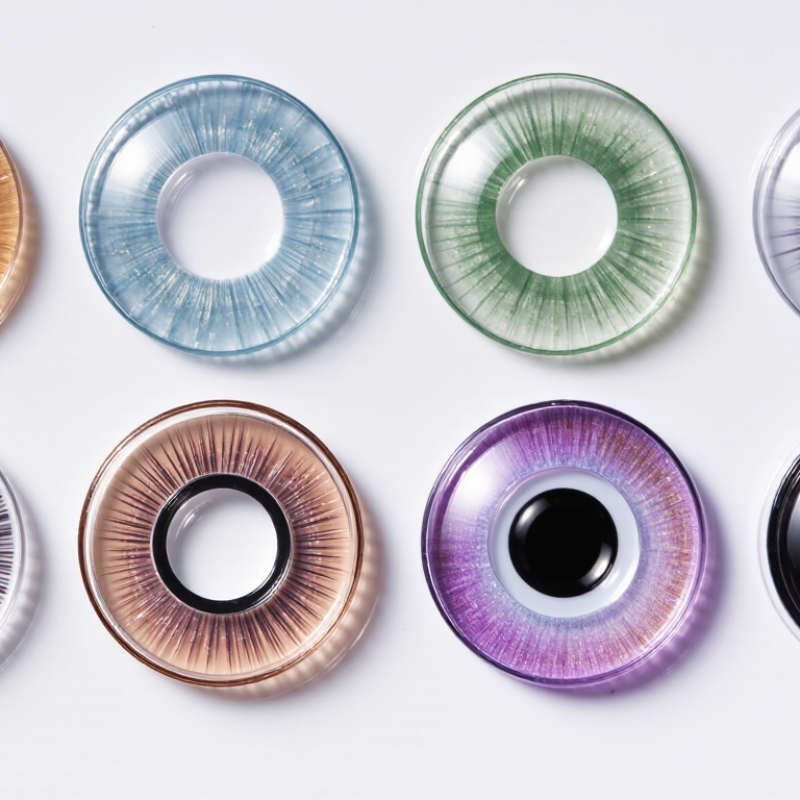
Top 10 Types of Color Contact Lenses for Buyers

What Color Contact Lenses Are and How They Work

Color contact lenses are soft lenses with colored or patterned areas that change, enhance, or frame the appearance of the iris. In many designs, the central zone stays clear so the pupil can receive light. The lens rests on the tear film and moves slightly with each blink. It is a small object, but fit matters.

Some lenses use translucent tints to deepen a person’s natural eye color. Opaque designs can create a more noticeable change, though the result depends on the original eye color, the lens pattern, and the light in the room. A shade that looks subtle by a window may appear stronger under warm indoor lighting. Color is not always predictable.

The printed area must align comfortably with the eye. A poor fit can cause rubbing, blurred vision, or irritation, even when the lens has no corrective power. These lenses still need a proper fitting and guidance from an eye-care professional. Follow the recommended cleaning and replacement instructions, and never share lenses. That part is easy to overlook. If your eyes become painful, red, or unusually sensitive to light, remove the lenses and seek professional advice.

Ten Common Types of Color Contact Lenses

Color contact lenses come in several styles, and the categories often overlap. Visibility-tinted lenses have a faint shade that helps you find them in solution; they usually do not change eye color. Enhancement tints deepen a light iris, while opaque tints cover more of the natural color. Natural-look designs use blended tones, and limbal-ring styles add a darker outline around the iris. Subtle differences matter.

Vivid fashion lenses create stronger color changes, while theatrical designs may feature unusual patterns for costumes or photos. Daily disposable lenses are worn once and discarded; reusable lenses follow a scheduled replacement period. Both styles may be available with or without vision correction, depending on the product.

That’s ten common ways to describe colored lenses, though one pair can fit several categories. Appearance is only part of the choice. A qualified eye-care professional can check fit and eye health, even when lenses have no corrective power. Follow the care instructions, wash and dry hands before handling, and never share lenses.

I used to think a natural-looking shade was automatically the easiest choice; comfort and fit can prove otherwise.

How Lens Designs, Opacity, and Color Effects Differ

Color contacts differ less by shade name than by how their printed pattern interacts with the iris. Enhancement-tint lenses use translucent pigment, so they tend to deepen light eyes while preserving natural detail. Opaque designs cover more of the iris and can create a stronger shift on dark eyes. Some styles add a darker limbal ring for definition; others blend flecks of honey, gray, or green. Small details matter. On golden-brown eyes, cool gray may read blue; on dark brown eyes, warm hazel can look muted.

Choose by effect, not just a product photo. Lighting and natural iris color can change the result. Circle and starburst patterns may look striking up close, yet less natural at conversation distance. Compare the printed pattern from arm’s length. A subtle shade may disappear in dim rooms, a limitation worth weighing before choosing. Comfort matters as much as appearance. Even cosmetic lenses need a proper fit, and an eye-care professional can assess fit and vision. Never share lenses. Stop wearing them if pain, redness, or blurred vision occurs.

Prescription, Materials, and Fit Considerations for Buyers

Top 10 Types of Color Contact Lenses for Buyers

Prescription, Materials, and Fit Considerations for Buyers

Color is only one part of choosing contact lenses. Even lenses without vision correction need a professional assessment; decorative lenses can still affect eye health. In the United States, the FDA classifies them as medical devices, and buyers need a prescription. Requirements vary elsewhere. A fitting checks lens movement, coverage, and comfort on the eye, not just whether the lens looks right in a mirror. A lens that feels tight or shifts with each blink needs review.

Material matters. Oxygen permeability, lens thickness, and wearing schedule all affect comfort; water content alone cannot tell you how a lens will feel. Ask an eye-care professional which material suits your eyes and how long to wear it. The CDC estimated that contact-lens-related complications led to about one million U.S. outpatient and emergency visits annually, with $175 million in direct medical costs. These estimates, published in a 2015 MMWR report, cover contact lenses broadly, not colored lenses alone. That distinction matters.

Tips: Bring the packaging to your fitting, and ask how to clean and store the lenses. Never share them. Remove lenses if your eyes become painful, red, or unusually light-sensitive, and seek professional advice. Comfort can be misleading; irritation may start quietly.

Top 10 Types of Color Contact Lenses for Buyers

Prescription, materials, and fit considerations for buyers

How to read this chart: The bars show a U.S. regulatory requirement, not popularity or market share. Decorative and corrective contact lenses require a prescription.

Styles shown: visibility tint, enhancement tint, opaque tint, limbal-ring, circle, gradient, two-tone, three-tone, iris-pattern, and prosthetic/occlusive lenses. Materials vary by product and may include hydrogel or silicone hydrogel. Have an eye-care professional assess fit, including base curve and diameter, and follow the prescribed wear and replacement schedule.

Source: U.S. Food and Drug Administration, “Decorative Contact Lenses.”

How to Choose and Wear Color Contacts Safely

Choose color contacts by fit, not shade alone. A translucent tint may subtly deepen light eyes, while an opaque design changes darker eyes more noticeably. Ask an eye-care professional to assess lens fit, vision, and eye health before wearing any pair, including non-corrective lenses. In daylight, check that the color looks natural and your pupil remains clear. A mirror can flatter a shade; it cannot confirm a safe fit. Follow local requirements for prescriptions and fittings.

Treat colored lenses like medical devices. Wash and dry your hands before handling them, use fresh contact-lens solution, and never rinse lenses with tap water. Remove them before sleeping, swimming, or showering unless a qualified professional has specifically advised otherwise. Never share lenses. The CDC’s 2015 MMWR survey of 1,000 adult contact-lens wearers found that 99% reported at least one risky lens-care practice. That figure is a useful warning, not a reason to panic. If you notice pain, redness, light sensitivity, or blurred vision, remove the lenses and seek prompt eye-care advice. Don’t try to “wear through” discomfort.

Top 10 Types of Color Contact Lenses for Buyers - How to Choose and Wear Color Contacts Safely

Type Typical look May suit What to check before buying Wear and safety notes
Enhancement-tint lenses A translucent tint designed to intensify or subtly shift an existing eye color. People seeking a more noticeable version of their natural eye color. Ask an eye-care professional whether the tint and lens fit are suitable for your eyes; the result depends on your natural eye color. They are still contact lenses and require a valid prescription and proper fitting, even when used only for appearance.
Opaque color lenses An opaque or more heavily printed pattern intended to make a stronger color change. Buyers looking for a more visible change, including over darker natural eye colors. Color results vary with the printed pattern, lighting, and natural eye color. Check that the lens is made for your prescription and measurements. Do not buy non-prescription lenses from unverified sellers; an eye-care professional should assess fit and eye health.
Natural-blend lenses Layered colors or patterns designed to imitate variations found in the iris. Those who prefer a softer, blended appearance rather than a uniform color. Review the pattern and expected appearance in realistic lighting; photos may not show the result accurately. Printed areas must not interfere with vision. Stop wearing the lenses and seek advice if vision becomes blurred or uncomfortable.
Limbal-ring lenses A darker outer ring around the iris, sometimes combined with a color tint. Buyers wanting more definition around the iris. Check how prominent the ring appears and whether the design is available in a professionally fitted lens. Do not share lenses. Sharing can spread germs and may cause eye infection or injury.
Circle-style lenses A design that can make the iris appear larger through a printed outer pattern. People seeking a more noticeable, stylized eye appearance. Confirm lens diameter, base curve, and fit with an eye-care professional; a larger-looking design does not mean the lens is a better fit. Never force a lens onto the eye. Remove it if it feels painful, unusually tight, or causes persistent irritation.
Subtle-color lenses A restrained tint or fine pattern intended to make a modest color adjustment. First-time color-lens wearers or buyers who want an understated look. Ask whether the available tint is likely to show on your natural eye color and in your usual lighting. Start with the wearing schedule recommended by your eye-care professional; do not extend wear because the lenses feel comfortable.
Daily-disposable color lenses Color lenses supplied for single-day use, where this option is available. Occasional wearers who prefer a fresh pair for each day of use. Confirm that the specific lens is approved for your prescription and that daily replacement is stated in its instructions. Wear once, then discard. Do not clean, store, or reuse a daily-disposable lens.
Reusable color lenses Color lenses designed for repeated use over a stated replacement period. People who wear color lenses regularly and can follow a cleaning routine. Check the prescribed replacement schedule, compatible care solution, and whether the lens is suitable for your eyes. Clean and store exactly as directed. Never use tap water or saliva on lenses, and replace them on schedule.
Color lenses with vision correction Colored lenses made with a corrective power for eligible prescriptions. People who want both a color effect and vision correction. Provide your current prescription and have the lens fit assessed; contact-lens prescriptions include fit details, not just spectacle power. Use only the prescribed lens parameters. Do not substitute a decorative lens with different measurements.
Toric color lenses Colored lenses designed to correct astigmatism, when available and appropriate. Some people with astigmatism who want a colored lens option. Availability and suitable designs vary. An eye-care professional must determine whether a toric color lens can meet your vision and fit needs. Follow fitting and orientation guidance. If vision remains unstable or blurred, remove the lenses and contact your eye-care professional.

Safe-wear essentials: In the United States, decorative lenses require a prescription, including lenses worn only for appearance; regulations differ by location. Get lenses from a legitimate source and have them fitted by an eye-care professional. Wash and dry your hands before handling lenses, never sleep in them unless specifically directed, and keep them away from water while swimming, showering, or bathing. Remove lenses and seek prompt professional care for pain, redness, light sensitivity, discharge, or sudden blurred vision.

FAQS

How do color contact lenses change the look of your eyes?

Colored or patterned areas frame or alter the iris. Many lenses keep the center clear so light can reach the pupil.

Will the same lens color look identical on everyone?

No. Natural eye color, printed patterns, and room lighting all affect the result. Warm indoor light can make a shade appear stronger.

What is the difference between translucent and opaque designs?

Translucent tints usually deepen lighter eyes while showing natural detail. Opaque designs cover more of the iris and may create a stronger change on dark eyes.

How can I judge whether a pattern looks natural?

Check the pattern from arm’s length, not only in a close-up photo. Circle or starburst designs may look striking nearby and less natural across a room.

Do cosmetic lenses need a professional fitting?

Yes. A professional can assess lens movement, coverage, vision, and comfort. A mirror cannot show everything.

What should I consider besides lens color?

Ask about material, oxygen permeability, thickness, and wearing schedule. Water content alone does not predict comfort.

What should I do if a lens feels tight or shifts when I blink?

Stop and ask an eye-care professional to review the fit. A lens should not rub or blur your vision.

What signs mean I should remove my lenses?

Remove them if your eyes become painful, red, or unusually sensitive to light. Seek professional advice, even if irritation seems mild.

Can I share my lenses with someone?

No. Never share lenses. Clean and store them as directed, and bring the packaging to your fitting.

Conclusion

Color contact lenses are designed to change or enhance the appearance of the eyes by adding a tint, blending with natural iris color, or creating a more noticeable effect. Common types include subtle enhancement lenses, opaque color lenses, visibility-tinted lenses, daily and reusable options, and designs with different iris patterns or color transitions. Their appearance depends on the lens’s opacity, printed design, and how these features interact with the wearer’s natural eye color.

Choosing suitable lenses involves more than selecting a shade. Buyers should consider whether they need vision correction, the lens material and wearing schedule, and whether the lens fits comfortably. A qualified eye care professional can help assess prescription, fit, and eye health. Follow care and wearing instructions, keep lenses clean, and stop wearing them if discomfort or irritation occurs. These steps help make color contact lenses a comfortable and thoughtful choice.

Clara

Clara

Clara is a professional marketing specialist with a strong understanding of the company’s products and the needs of the people who use them. She combines product knowledge with clear, thoughtful communication, helping readers understand how the company’s solutions work, what they offer, and how to......