Color contacts can change the feel of an entire look, from a subtle shift in eye color to a more dramatic effect. But they are medical devices, not ordinary makeup. Looks matter. So does eye health. A lens that feels fine at first may still be poorly fitted, difficult to clean, or made from materials that irritate your eyes. Choosing safely means considering more than shade, price, and a polished product photo.
Start by speaking with an eye-care professional, even if you do not need vision correction. They can check your eye health, measure your eyes, and advise whether a particular lens is suitable. Buy from a reputable seller that provides clear product details and meets applicable local standards. Follow the fitting, wearing, and replacement instructions exactly; never share lenses or sleep in them unless your clinician specifically approves it. Clean them only with the recommended solution, and keep water away from both lenses and cases.
Comfort is not proof of safety. Redness, pain, blurred vision, unusual discharge, or light sensitivity are reasons to remove the lenses and seek professional advice promptly. That part is easy to underestimate, especially when you are getting ready for an event. It is also worth being honest about your habits: if daily cleaning and careful storage feel unrealistic, disposable options may not solve every problem. Ask an eye-care professional what fits your eyes and routine. A beautiful color should never require ignoring discomfort.
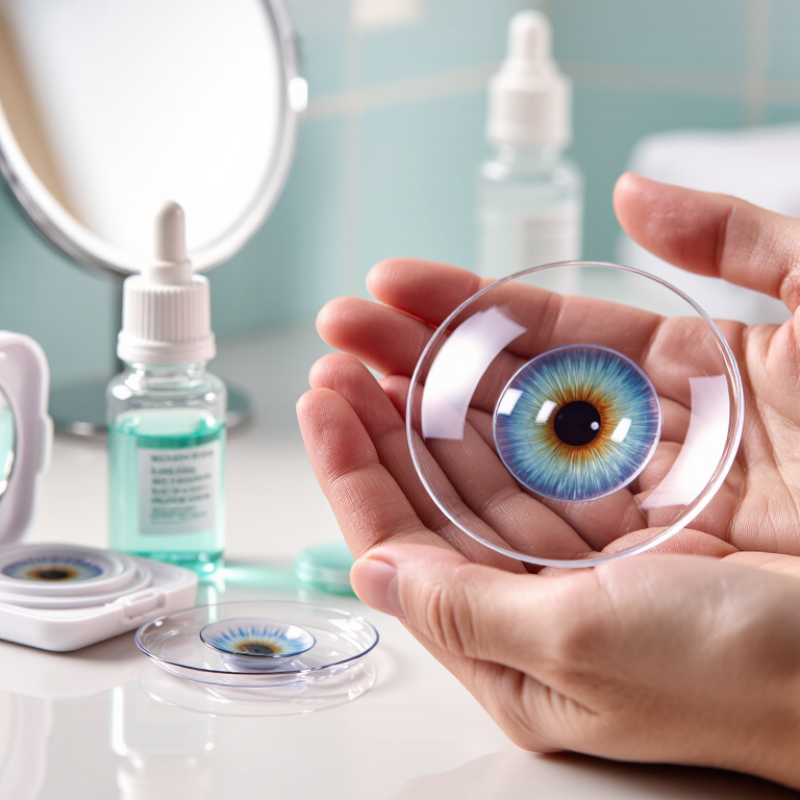
Color contact lenses sit directly on the eye, even when worn only for appearance. A poor fit can scratch the cornea or limit oxygen, while contaminated lenses may cause infection. Redness, pain, light sensitivity, discharge, or blurred vision are warning signs. Remove the lenses and contact an eye care professional promptly if these symptoms appear. Don’t wait it out.
A lens that looks clear and comfortable is not automatically safe. Ask an eye care professional to assess the fit and explain how long you can wear it. Follow the care instructions, wash and dry your hands before handling lenses, and never share them. Avoid sleeping, showering, or swimming in them unless your professional specifically advises otherwise. It sounds simple. Busy days make routines slip, though.
Tips: Keep lenses in fresh recommended solution, never water. Replace them on schedule, and don’t top up old solution. If your eyes feel irritated, take the lenses out; comfort shouldn’t be a test of endurance.
A color lens still sits directly on the eye. An eye exam is more than a quick check of whether you can read the chart. An eye-care professional measures the eye’s surface, checks eye health, and determines whether lenses are suitable. Bring up allergies, dryness, past infections, and how many hours you expect to wear them. Small details matter.
The U.S. Food and Drug Administration treats contact lenses as medical devices and advises getting a prescription after an eye examination. A valid prescription specifies the lens details needed for a proper fit; a glasses prescription is not a substitute. Fit matters. A lens that feels tight, shifts with each blink, or leaves the eye red needs professional attention, not guesswork.
There is a reason to take routine care seriously. A CDC report found that 99% of surveyed contact lens wearers reported at least one hygiene behavior linked to increased infection risk. CDC estimates also place keratitis at about one million outpatient and emergency visits annually in the United States. These figures cover contact lens and other causes, but they show why irritation should not be brushed aside. Even with an exam, discomfort can happen. Remove the lenses and contact an eye-care professional if pain, redness, light sensitivity, or blurry vision develops. Follow the prescribed replacement schedule and arrange follow-up visits as advised. My own assumption that “comfortable” meant “properly fitted” would be worth questioning.
When choosing color contacts, check the product’s authorization in your country, not just its polished packaging. In the United States, the FDA treats decorative lenses as medical devices, and a prescription is required, even when lenses are worn only for appearance. Rules differ by location, so confirm them with a qualified eye-care professional. A seller’s claim of “medical grade” is not proof of authorization.
Inspect the box before opening it. Look for the product name, lens details, lot number, expiry date, and an intact sterile seal. A missing label or damaged package is a reason to pause. Verify that the seller provides verifiable contact details and asks for any prescription required in your area.
The CDC’s 2015 MMWR analysis reviewed 1,075 reports of contact lens-related corneal infections submitted to the FDA; about 20% involved eye damage. That matters.
I admit packaging can look reassuring even when it tells you little, so check product details against an official regulator’s database or ask an eye-care professional to verify them.
Color contacts are medical devices, not costume accessories. A qualified eye-care professional should measure your cornea and check how each lens centers and moves. Base curve, diameter, and material all affect comfort and fit. Fit matters. FDA guidance says to follow the wearing and replacement schedule set for your lenses, rather than stretching it because they still feel comfortable. A lens that feels fine at noon may still irritate your eyes later. Do not guess.
Wear time depends on the lens type and your prescription. Never sleep or nap in lenses unless your clinician specifically says it is appropriate. The CDC’s 2017 MMWR survey of 1,075 adult contact lens wearers found that nearly 99% reported at least one risky hygiene behavior. The survey did not measure every wearer’s risk, but it shows how easily routines slip. Choose a material and schedule you can realistically maintain: wash and dry your hands before handling lenses, and replace them on the stated timetable. If your eyes become red, painful, light-sensitive, or unusually blurry, remove the lenses and contact an eye-care professional. A little discomfort is not a useful fit test.
Colored contacts still need the same careful handling as clear lenses. A fitting from an eye-care professional helps ensure the lens matches your eye’s shape. Follow the wear schedule and cleaning instructions supplied for your lenses; never rinse or store them in tap water. Small habits matter. In a CDC-published 2015 survey, 99% of contact lens wearers reported at least one risky care habit. That figure is a reminder: knowing the rules is not the same as following them every day.
Stop wearing the lenses if you develop pain, unusual redness, light sensitivity, blurred vision, or discharge. Remove them, and contact an eye-care professional promptly; do not wait for symptoms to “settle.” The CDC has estimated that contact lens-related eye infections lead to about one million outpatient and emergency visits in the United States each year. Even careful wearers can miss a step. It is worth checking your routine honestly, especially after a long day or while traveling.
Tips: Wash and dry your hands before handling lenses. Use fresh contact lens solution, never top off old solution, and keep lenses away from water. Do not sleep in them unless your eye-care professional specifically approves that schedule. Replace the storage case regularly, and carry glasses as a backup. If discomfort persists after removal, seek professional advice rather than trying the lenses again.
No. They still sit directly on your eyes. A poor fit may scratch the cornea or reduce oxygen.
Yes. An eye-care professional can check the fit and explain your wear schedule. Comfort alone is not proof.
Remove them for pain, unusual redness, light sensitivity, discharge, or blurred vision. Contact an eye-care professional promptly. Don’t wait it out.
No. Keep lenses away from water. Use fresh recommended contact lens solution each time.
No. Empty the case and use fresh solution. Topping up can leave old residue behind.
Avoid all three unless an eye-care professional specifically approves it. Busy routines make this easy to forget.
No. Never share lenses. Wash and dry your hands before handling them.
Seek professional advice rather than putting them back in. Replace lenses on schedule, replace the storage case regularly, and carry glasses. Small steps, often missed.
Choosing color contacts safely starts with understanding that even cosmetic lenses sit directly on the eye and can cause irritation or injury if they are poorly fitted or used incorrectly. Before buying, schedule an eye exam and obtain a valid contact lens prescription, including guidance on fit and wearing time. Check that products come in intact, clearly labeled packaging and are sold by a reputable provider; avoid lenses with unclear origins or missing instructions.
Choose lenses suited to your eyes, material preferences, and intended wear schedule, and follow the care directions carefully. Wash and dry your hands before handling lenses, use the recommended cleaning and storage products, and never share or wear lenses longer than advised. Remove them and contact an eye care professional if you notice pain, redness, blurred vision, unusual sensitivity, or discharge. These steps help make color contacts a more comfortable and responsible choice.